ÜCRETSİZ SANAT DANIŞMANLIĞI

x
Baskıyı satın al Baskıyı satın alTabloyu Sipariş Et Tabloyu Sipariş Et PaylaşPaylaş
Detayları GörDetayları Gör Favorilere ekle Favorilere ekle İndirİndir Benzerlerini görBenzerlerini gör X-IşınıX-Işını Slayt GösterisiSlayt Gösterisi

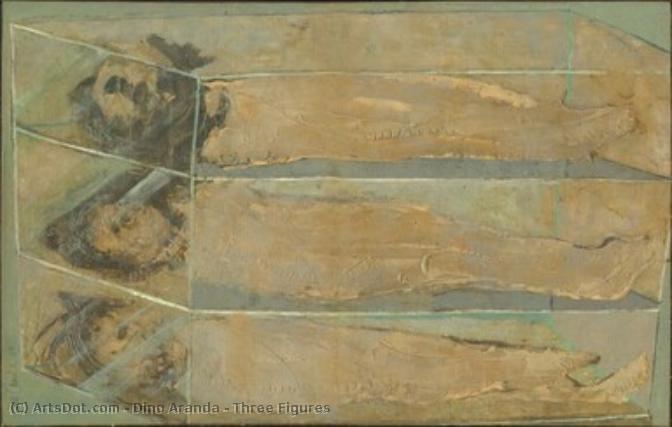
Three Figures

Explore Dino Aranda’s ‘Three Figures’ (1968) – a fragmented, impressionistic oil painting featuring muted tones & layered textures. A unique piece of Latin American art.

Discover Dino Aranda, a Nicaraguan-born artist known for evolving contemporary works exploring Latin American identity & abstract forms. See his art now!

Çevrimiçi önizlemeden çok daha üstün, yüksek çözünürlüklü ve iyileştirilmiş bir dijital görüntü satın alın.

Her dosya, uzman ekibimiz tarafından gelişmiş araçlar ve titiz manuel rötuş teknikleri kullanılarak özenle hazırlanır. Her görüntünün olağanüstü netliğe, kusursuz renk doğruluğuna ve ince ayrıntılara sahip olduğundan emin oluruz.

Son dosya; profesyonel, editoryal ve baskı süreçlerinde anında kullanıma uygun şekilde optimize edilerek 72 saat içinde e-posta yoluyla teslim edilir. Bu, seçkin tasarım stüdyoları, yayıncılar ve galerilerin güvendiği aynı kalite standartlarındadır.

Dijital Görsel

Kişisel sergileme, baskı ve yaratıcı projeleriniz için yüksek çözünürlüklü bir dosya indirin.

Toplam Tutar

$9.99

Her Dijital Görüntü Siparişinde Dahil Olanlar

Uzman Dijital Teslimat, Garantili

WahooArt.com seçtiğinizde, sadece bir görsel edinmekle kalmaz; titizlikle hazırlanmış, profesyonelce iyileştirilmiş dijital bir sanat eserine sahip olur ve memnuniyet garantisiyle güvence altına alınırsınız. Siparişinizle birlikte otomatik olarak sunulan her şey şunlardır:

shipping_icon
Hızlı E-posta ile Teslimat

Yüksek çözünürlüklü dijital görüntü dosyanız, siparişinizin üzerinden en geç 72 saat geçmeden e-posta ile size gönderilecektir; hemen kullanıma hazırdır.

canvas_icon
Yapay Zeka İle İyileştirilmiş Dijital Dosya

Sanat eseriniz; maksimum detay, netlik ve renk doğruluğu sağlamak amacıyla gelişmiş yapay zeka araçları ve manuel düzenleme kullanılarak profesyonelce optimize edilmektedir.

insurance_icon
Ömür Boyu Ücretsiz Yeniden Gönderim

Dosyanızı yanlışlıkla mı sildiniz yoksa kayıp mı oldu? Endişelenmeyin; dosyanızı dilediğiniz zaman size ücretsiz olarak tekrar göndereceğiz.

tax_icon
Hiçbir Zaman İthalat Ücreti Ödemeyin

Sanat eserinizin tadını gümrük vergisi, harç veya teslimat ücreti ödemeden anında çıkarın; dijital indirmeler her zaman vergiden muaftır.

color_icon
Renk Doğruluğu Garantisi

Profesyonel araçlar ve renk yönetimi kullanarak dijital görselinizin orijinal renklere mümkün olduğunca yakın yansıtılmasını sağlıyoruz.

return_icon
60 Günlük Memnuniyet Garantisi

If you're not satisfied with your digital image, we'll revise it or refund 100% within 60 days - no questions asked.

guarantee_icon
100% Para İadesi Garantisi

Memnun kalmadınız mı? Dijital dosyanızı aldıktan sonraki 60 gün içinde, hiçbir soru sorulmaksızın tam iade alın.

discount_icon
Toplu Sipariş İndirimleri

Buy 3 images, save 10% - Buy 5, save 15% - Buy 10+, save 20%. Great for creative projects, galleries, and agencies.


Sanatçı Özgeçmişi

Dino Aranda: A Legacy of Latin American Abstraction

Dino Aranda, born in Managua, Nicaragua, in 1945, is a compelling figure within the landscape of contemporary art, particularly for his significant contributions to the vibrant artistic community flourishing in New York and Washington D.C. during the latter half of the 20th century. His journey as an artist began at the School of Fine Arts in Managua between 1957 and 1963, laying a foundational understanding of technique and form that would later inform his distinctive style. Aranda’s work isn't simply about representation; it’s a deeply personal exploration of Latin American identity, often conveyed through layers of abstraction and evocative symbolism. He moved to the United States in the early 1970s, immersing himself within a dynamic artistic environment that profoundly shaped his evolving aesthetic.

Early Influences and Artistic Development

Aranda’s formative years in Nicaragua instilled in him a sensitivity to color, texture, and the rich cultural heritage of his homeland. While details about specific early influences remain somewhat sparse, it's understood that he was exposed to traditional Nicaraguan art forms alongside burgeoning modern movements. This dual influence is evident in his later work – a careful balance between the raw energy of abstraction and the subtle echoes of Latin American iconography. His time at the School of Fine Arts provided him with essential skills, but it was his relocation to the United States that truly catalyzed his artistic growth. The diverse and challenging environment of New York and Washington D.C. exposed him to a vast array of artistic styles, from Abstract Expressionism to Pop Art, pushing him to experiment and refine his own unique voice.

Key Works and Recurring Themes

Aranda’s oeuvre is characterized by a remarkable evolution over several decades. Early works often featured bold color palettes and gestural brushstrokes, reflecting the energy of the 1960s. However, as he matured as an artist, his style became increasingly layered and nuanced. Pieces like “Three Figures” (1968), currently held in the Smithsonian American Art Museum’s permanent collection, exemplify this shift. The painting is a fragmented, impressionistic oil work dominated by muted tones and carefully constructed textures—a deliberate departure from straightforward representation. Recurring themes within his body of work include identity, memory, and the complexities of human experience. He frequently employs symbolic imagery – often rooted in Latin American folklore or personal narratives – to convey these ideas. The painting “Pajaro de Hierro Enjaulado (Caged Bird of Iron)” (1969), showcased at the Art Museum of the Americas, powerfully illustrates this approach, using a delicate abstraction to represent themes of confinement and resilience.

Historical Context and Artistic Significance

Aranda’s career unfolded during a period of immense social and political upheaval in Latin America. The 1960s and 70s witnessed widespread protests against authoritarian regimes, economic inequality, and the Cold War. Artists like Aranda played a crucial role in documenting these struggles through their art, often employing symbolism and allegory to convey messages of resistance and hope. His work aligns with a broader trend among Latin American artists who sought to reclaim their cultural heritage and challenge dominant narratives. He was part of a collective of artists—many of whom were exiled from their home countries—who found fertile ground for experimentation and expression in the United States, contributing significantly to the international dialogue surrounding contemporary art.

Continuing Legacy

Dino Aranda continues to be an active artist today, his work exhibited both nationally and internationally. His pieces are held in numerous public and private collections, a testament to their enduring appeal and artistic merit. His legacy extends beyond individual artworks; he represents a vital link between the vibrant artistic traditions of Nicaragua and the dynamic contemporary art scene of the United States. The Smithsonian American Art Museum’s collection, for example, provides a valuable window into his career and highlights the significance of his contributions to the broader narrative of Latin American art. His work remains a powerful reminder of the transformative potential of art as a means of exploring identity, challenging conventions, and fostering dialogue across cultures.
Dino Aranda

Dino Aranda

1945 - , Nicaragua

Kısa Bilgiler

  • Artistic Movement Or Style: Contemporary Art
  • Date Of Birth: 1945
  • Full Name: Dino Aranda
  • Nationality: Nicaraguan-American
  • Notable Artworks:
    • Three Figures
    • Pajaro de Hierro Enjaulado
  • Place Of Birth: Managua, Nicaragua