Robert Alan Krieger: The Soulful Architect of Doors’ Sound
Robert Alan Krieger (born January 8, 1946) stands as a cornerstone figure in psychedelic rock history—specifically, the indelible imprint left by The Doors. More than just a guitarist; he was a composer, songwriter, and visual artist whose singular approach to music profoundly shaped the band’s distinctive aesthetic and cemented its place among the genre's most influential ensembles. His journey from humble beginnings in Los Angeles to international acclaim is a testament to artistic dedication and an unwavering pursuit of sonic exploration.
Early Life & Musical Beginnings
Born into a Jewish family, Krieger’s formative years were steeped in musical tradition—his father championed classical music while his mother appreciated artists like Frank Sinatra. Recognizing his innate talent early on, he honed his skills at Scarborough School, where he performed Gilbert and Sullivan operas alongside fellow students. Crucially, it was the influence of flamenco guitar teacher Frank Chin who unlocked Krieger’s fascination with intricate fingerstyle techniques—a style that would become synonymous with his playing in The Doors. Studying under Ravi Shankar at Kinnara School further broadened his musical horizons, introducing him to Eastern influences that subtly permeated his compositions.
The Birth of The Doors & Musical Evolution
Krieger joined Jim Morrison, Ray Manzarek, and John Densmore in 1965, forming the nucleus of what would become The Doors. From their initial rehearsals, Morrison immediately recognized Krieger’s ability to translate complex musical ideas into captivating performances—specifically advocating for incorporating bottleneck guitar riffs into every song on their debut album. This collaborative spirit fueled a remarkable creative partnership that yielded iconic tracks like “Light My Fire,” “Love Me Two Times,” and “Touch Me.” Krieger's exploration of jazz fusion, evident in albums like Cinematix alongside Billy Cobham and Edgar Winter, showcased his versatility beyond the psychedelic realm. He also contributed to Blue Öyster Cult’s recordings, demonstrating a continued engagement with diverse musical styles throughout his career.
Songwriting & Artistic Vision
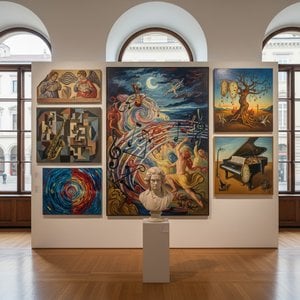
Krieger's songwriting prowess was arguably The Doors’ defining characteristic. His melodies possessed an unsettling beauty—a juxtaposition of lyrical vulnerability and harmonic sophistication that mirrored the band’s thematic concerns. Songs like “Love Her Madly” and “Riders on the Storm” exemplify his masterful use of imagery and atmosphere, creating immersive sonic landscapes that captured the spirit of the era. Beyond music, Krieger pursued visual art, producing evocative paintings that complemented his musical explorations—a parallel creative endeavor reflecting a holistic artistic sensibility. His work consistently prioritized emotional depth and psychological nuance, mirroring the band’s exploration of darker themes and challenging conventions.
Legacy & Recognition
Robert Alan Krieger's contribution to rock music transcends mere technical proficiency; it resides in his ability to evoke profound emotion and inspire contemplation. Recognized as one of Rolling Stone’s 250 Greatest Guitarists of All Time (ranked #248), Krieger cemented his place in musical history—a testament to his enduring influence on generations of musicians. His music continues to resonate with audiences worldwide, securing his legacy as a visionary artist who dared to push boundaries and forge an unforgettable sonic signature.