Ferdinand Andri: A Bridge Between Tradition and Modernity in Austrian Art
Ferdinand Andri’s life and artistic journey represent a pivotal moment in the evolution of Austrian art at the turn of the 20th century. Born in Waidhofen an der Ybbs in 1871, he was immersed from his earliest years in a world steeped in craftsmanship – his father a gilder instilled within him a deep appreciation for meticulous technique and visual detail. This familial legacy, combined with his own innate artistic talent, set the stage for a career that would ultimately see him become a leading figure in the Vienna Secession and a significant contributor to the broader landscape of Austrian art. From humble beginnings as a woodcarver’s apprentice, Andri’s path led him through rigorous formal training at prestigious institutions like the Academy of Fine Arts in Vienna, where he honed his skills under the tutelage of prominent artists such as Julius Victor Berger and August Eisenmenger – absorbing both established traditions and nascent modernist ideas. Crucially, his artistic education wasn't confined to the studio; extensive travels throughout Italy, France, England, and North America broadened his horizons, exposing him to diverse artistic styles and fostering a cosmopolitan sensibility that would profoundly influence his own evolving vision.
The Vienna Secession: A Revolutionary Force
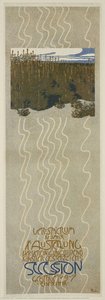
The late 19th and early 20th centuries witnessed a surge of artistic rebellion in Austria, and Ferdinand Andri found himself at the very heart of this movement as an active member of the Vienna Secession from 1899 to 1909. This group of daring artists deliberately challenged the conservative norms enforced by the established art academies, seeking new forms of expression that reflected the dynamism and anxieties of a rapidly changing world. Andri wasn’t merely a passive participant; he quickly rose through the ranks, eventually serving as president of the Secession from 1905 to 1906 – a testament to his leadership qualities and unwavering commitment to their radical artistic ideals. The Secession's core mission was to break free from academic constraints and embrace innovation, and Andri wholeheartedly embraced this ethos. He played a vital role in *Ver Sacrum*, the Secession’s influential Art Nouveau magazine, contributing not only as an artist but also as a curator and editor, shaping its distinctive aesthetic and disseminating the group's groundbreaking work to a wider audience. This period marked a significant shift in Andri’s artistic practice, as he began to experiment with new techniques and subject matter, pushing beyond traditional boundaries and exploring the possibilities of modern art.
A Master of Landscape and Portraiture: Exploring Themes of Rural Life
Andri's artistic output spanned a diverse range of genres, but he is particularly celebrated for his evocative landscapes and poignant portraits. His depictions of the rural Lower Austrian countryside are imbued with a remarkable sense of realism and intimacy, capturing the essence of peasant life – the rhythms of farming, the beauty of the landscape, and the dignity of its inhabitants. These paintings aren’t simply representations; they're infused with a deep empathy for his subjects, offering a nuanced portrayal of a vanishing way of life. Simultaneously, Andri excelled as a portraitist, skillfully capturing the personalities and emotions of his sitters – from aristocratic figures to everyday individuals. His portraits are characterized by their psychological depth and subtle nuances, revealing not just physical likeness but also inner character. This dual focus on landscape and portraiture reflects Andri’s desire to engage with both the grand scale of nature and the intimate details of human experience.
The Impact of War: Documenting Conflict Through Art
The outbreak of World War I dramatically reshaped Ferdinand Andri's artistic trajectory, forcing him to confront the brutal realities of conflict. From 1915 onward, he served as a war painter for the Imperial and Royal War Press Headquarters, documenting the horrors of the front lines with unflinching honesty. This role took him to some of the most harrowing locations in Europe – Belgrade, Montenegro, Albania, and the rugged Dolomites – where he meticulously recorded scenes of devastation, suffering, and resilience. Andri’s wartime paintings stand apart as a unique artistic response to conflict; they weren't mere propaganda but rather attempts to bear witness to the human cost of war, blending technical skill with profound emotional depth. He captured not only the physical destruction but also the psychological toll on soldiers and civilians alike, offering a powerful critique of the violence and its consequences.
Legacy and Recognition: A Lasting Contribution
Following the conclusion of World War I, Andri secured a long-sought teaching position at the Vienna Academy, relocating to St. Pölten before returning to Vienna in 1939. Despite facing challenges during the rise of Nazism – including his inclusion on Goebbels’ list of “worthy” artists – he continued to create art until his death in 1956. In a final act of generosity, Andri donated all remaining works from his possession to the city of St. Pölten, leading to the establishment of the Ferdinand Andri Museum—a lasting tribute to his artistic legacy. Today, his paintings are showcased in prestigious collections across Austria and beyond, ensuring that his distinctive style and profound insights continue to resonate with audiences. His work serves as a poignant reminder of the power of art to reflect, challenge, and ultimately transcend the complexities of its time – a testament to Ferdinand Andri’s enduring contribution to Austrian art history.