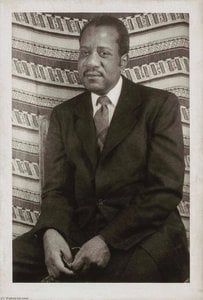
Carl Van Vechten (1880-1964): A Life Intertwined with the Avant-Garde
Carl Van Vechten, a name resonating through the annals of early 20th-century American culture, was far more than simply a writer or photographer. He was a cultural catalyst, a passionate patron, and an astute observer who navigated the vibrant currents of modernism with remarkable energy. Born in Cedar Rapids, Iowa, in 1880, into a family that valued both intellectual pursuits and artistic expression—his mother founded the local library and possessed musical talent—Van Vechten’s early life laid the foundation for his multifaceted career. His initial passions leaned towards music and theatre, but it was through writing that he first found his voice, initially as “The Chaperone,” a columnist known for its semi-autobiographical gossip and sharp criticism in Chicago. This marked the beginning of a lifelong engagement with public discourse and artistic commentary. A move to New York City in 1906 solidified his position within the burgeoning cultural landscape, leading to a role as an assistant music critic at *The New York Times*.Early Influences and Literary Beginnings
From the outset, Van Vechten’s formative years were steeped in artistic appreciation. His parents instilled in him a deep respect for learning and creativity—his mother's dedication to establishing Cedar Rapids Public Library exemplified this ethos—and he himself demonstrated an early aptitude for musical performance and theatrical productions. These experiences nurtured his imaginative spirit and shaped his worldview, preparing him for the intellectual challenges that lay ahead. As a young man, Van Vechten’s fascination with music extended beyond mere enjoyment; he actively pursued opportunities to hone his skills and immerse himself in the world of opera and theatre. This passion would continue to inform his artistic sensibilities throughout his life, influencing his writing style and thematic concerns. His early journalistic endeavors—primarily as “The Chaperone”—established him as a keen observer of social trends and a fearless critic of prevailing conventions. Through his column, he dissected societal norms with wit and intelligence, sparking debate and challenging accepted perspectives. This commitment to public discourse would become a hallmark of his literary career.From Literary Critic to Champion of Modernity
Van Vechten’s intellectual curiosity propelled him beyond traditional criticism. He embarked on journeys to Europe, immersing himself in the world of opera and forging connections that would shape his artistic sensibilities. It was during this period he met Mabel Dodge Luhan, a pivotal figure who introduced him to the heart of the avant-garde movement. This introduction led to a profound friendship with Gertrude Stein, a relationship that would profoundly influence Van Vechten’s own work and ultimately lead to his role as her literary executor. He became a devoted advocate for Stein's experimental writing, even penning “How to Read Gertrude Stein” in an attempt to demystify her often challenging prose. His involvement with figures like Isadora Duncan, Anna Pavlova, and Loie Fuller further cemented his position as a champion of modern dance and performance art. He wasn’t merely documenting these movements; he was actively participating in their evolution, fostering dialogue and providing crucial support. This period saw him transition from solely critiquing the arts to becoming an integral part of its creation and dissemination. His understanding of artistic innovation stemmed directly from his engagement with these groundbreaking artists and thinkers.Photography: Capturing Essence and Emotion
The 1930s witnessed a dramatic shift in Van Vechten’s artistic pursuits as he embraced photography, specifically utilizing Leica cameras—a revolutionary technology at the time—to capture portraits of influential writers and artists. This newfound medium allowed him to explore his fascination with visual storytelling and delve into the complexities of human emotion. Unlike his literary endeavors, which demanded intellectual analysis and stylistic finesse, photography offered a more immediate and visceral connection to his subjects. He meticulously crafted each image, striving to convey not just likeness but also character—a testament to his artistic vision and technical skill. His photographic portraits became celebrated for their sensitivity and elegance, reflecting the spirit of the Jazz Age and capturing the essence of its luminaries. Artists like Hemingway, Fitzgerald, Dos Passos, Picasso, Matisse, Chagall, Dali, and many others graced his studio, resulting in iconic images that endure to this day.Legacy and Influence
Throughout his life, Van Vechten maintained a reputation for being witty, cosmopolitan, and unconventional—a reflection of the cultural dynamism he championed. He established several libraries and museums dedicated to promoting artistic expression and fostering cross-cultural understanding. His unwavering commitment to challenging societal norms extended beyond his creative pursuits, making him a figure both admired and debated during his lifetime. Carl Van Vechten’s enduring legacy rests on his remarkable ability to synthesize diverse influences—literature, art, music, photography—and to articulate a vision of the world that embraced innovation and celebrated human creativity. He remains a pivotal figure in understanding the cultural landscape of early 20th-century America, a man whose life was inextricably intertwined with the avant-garde movements that shaped our modern world. His photographs continue to inspire artists and scholars alike, ensuring his artistic contributions resonate across generations.Frågor och svar
Kan jag utforska Carl Van Vechtens verk via nyckelord?
För att hitta verk av Carl Van Vechten inom ett specifikt tema, besök artistens sida för Efter nyckelord, där konstverken är grupperade efter nyckelord.
Var kan jag besöka ett virtuellt 3D-museum med Carl Van Vechtens konstverk?
Ett virtuellt besök är möjligt: på Virtuellt 3D-galleri för Carl Van Vechten kan du uppleva konstnärens verk i ett tredimensionellt galleri.
Hur många konstverk av Carl Van Vechten finns tillgängliga att bläddra bland?
Du kan bläddra bland 41 konstverk verk av Carl Van Vechten på sidan Samtliga konstverk.