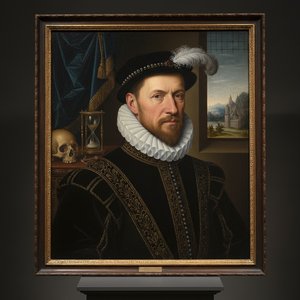
Edward, Prince of Wales: A Royal Portrait by Hans Holbein the Younger
This article delves into "Edward, Prince of Wales," a captivating oil on wood painting created in 1543 by the renowned artist Hans Holbein the Younger. Currently residing at the Metropolitan Museum of Art in New York, this artwork offers a fascinating glimpse into Tudor England and showcases Holbein's exceptional skill in portraiture.
The Northern Renaissance Style & Artistic Mastery
Holbein was a leading figure within the Northern Renaissance art movement, characterized by meticulous detail, realism, and humanism. This painting exemplifies these qualities through its precise depiction of Prince Edward’s attire and facial features. The use of oil on wood allowed for rich color saturation and fine detailing, showcasing Holbein's mastery of technique. His ability to capture not just likeness but also a sense of personality is what sets his portraits apart.
A Portrait of Royalty: Edward, Prince of Wales
The painting portrays Edward, Prince of Wales, son of King Henry VIII, dressed in a striking red jacket with a crisp white collar. His well-defined beard and mustache, along with the hat he wears, suggest the fashion of the 16th century. The composition is carefully balanced; Prince Edward serves as the central focus, surrounded by subtle details like scattered birds in the background, adding a touch of naturalism to the regal scene. The subject's posture conveys both authority and youthful charm.
Symbolism & Historical Context
Beyond its aesthetic appeal, "Edward, Prince of Wales" holds significant historical context. Created during the reign of Henry VIII, a period marked by religious upheaval and political intrigue, the portrait served as a powerful symbol of Tudor dynasty legitimacy. The red jacket could symbolize royalty and power, while the overall presentation aimed to project an image of strength and stability. The inclusion of birds in the background might represent freedom or perhaps allude to the royal lineage's connection to nature.
Holbein’s Legacy & Lasting Impact
Hans Holbein the Younger left behind a remarkable body of work, including notable portraits like "Portrait of Benedikt von Hertenstein," "Portrait of a Member of the Wedigh Family," and "Portrait of Margaret Wyatt, Lady Lee." His influence on English portraiture was profound, shaping artistic styles for generations. "Edward, Prince of Wales" stands as a testament to his skill and remains an invaluable window into Tudor England, offering viewers a glimpse into the life of a young prince destined for greatness.
Handmade oil painting reproductions of this work are available at WahooArt.com.



 Förhandsvisa
 Byt till tryck
 Skicka
 Dela
Dela
 Visa detaljer

 Ladda ner
 Liknande objekt
 Röntgen
 Bildspel
 Statistik


 Visa mer






































 Glasalternativet är endast tillgängligt i storlekar under 110 cm.