KOSTNADSFRI KONSTRÅDGIVNING

x
Beställ målning Beställ målningKöp högupplöst digital bild Köp högupplöst digital bild SkickaSkicka
DetaljerDetaljer Lägg till i favoriter Lägg till i favoriter Ladda nerLadda ner Liknande objektLiknande objekt RöntgenRöntgen BildspelBildspel

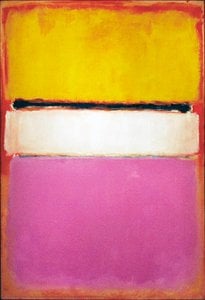
O titel

Upptäck Mark Rothkos abstrakta mästerverk "O titel". Ett fascinerande verk inspirerat av fåglar och existentiella teman, perfekt för att dekorera ditt hem eller skapa ett konstnärligt uttryck.

Utforska Mark Rothko (1903-1970) ikoniska Color Field målningar & Abstrakta Expressionismen! Upptäck känslornas djup och konstnärns betydelsefulla arv inom modern konst.

Giclée / Konsttryck

Giclée- eller canvasprint av museumskvalitet med snabb produktion och flexibla ytbehandlingsalternativ.


P118B $10
P118H $10
P118W $10
P438Z $10
P508JH $12
P508YH $12
P805H $10
P805Z $10
P919BZ $10
P919G $10
P919XJ $10
P959ZH $10
P968JZ $12
W106C $8
W218G $10
W218JH $8
W218Y $10
W307PJ $10
W316G $10
W316PJ $8
W316Y $10
W398PJ $8
W4111J $10
W500HY $15
W500JH $15
W692G $12
W849H $8
W940BG $15
W953PJ $8

Standard
custom
CM
INCH

Välj bland våra förinställda storlekar som motsvarar konstverkets ursprungliga proportioner.

bredd
höjd

Du kan ange egna mått för att passa en specifik ram eller yta. Om det valda måttet inte överensstämmer med originalbildens proportioner kommer vi antingen att beskära konstverket eller utöka bilden med en speglad eller enfärgad kant. En digital mockup skickas för ditt godkännande innan produktionen påbörjas.
Vänligen notera att förhandsvisningen på skärmen inte återspeglar den faktiska beskärningen eller utökningen. Endast mockuppen visar den slutgiltiga kompositionen korrekt.
Även om anpassade storlekar är möjliga, rekommenderar vi att du väljer ett mått från den fördefinierade listan för att bevara de ursprungliga proportionerna.

Leverans över hela världen () på 2 veckor istället för standard 4/5 veckor. (2 juli)

why_choose_icon
Fri expressfrakt över hela världen
why_choose_icon
Högkvalitativ linnecanvas
why_choose_icon
Fullständig fraktförsäkring
why_choose_icon
Garantier för återbetalning av tullavgifter
why_choose_icon
Garantier för exakt färgåtergivning
why_choose_icon
60 dagars returrätt (endast vid fabrikationsfel)
why_choose_icon
100% pengarna tillbaka-garanti
why_choose_icon
Mängdrabatt erbjuds

Totalpris

-

reproduction

O titel

Giclée / Konsttryck

Storlek på reproduktion

-

Slutgiltigt pris

-

Kortfakta

  • Title: Untitled 39
  • Location: Private Collection
  • Subject or theme: Existential contemplation
  • Influences: Minimalism
  • Artist: Mark Rothko
  • Movement: Abstract Expressionism

Konstquiz

Det finns endast ett korrekt svar på varje fråga.

Fråga 1:
What is the primary subject matter depicted in ‘Untitled 39’?
Fråga 2:
The image description mentions several symbolic elements. Which of the following best describes the significance of the clock in the painting?
Fråga 3:
Mark Rothko is known for his distinctive style of abstract expressionism. What characterizes this style?
Fråga 4:
Considering Rothko’s biographical context – his early life in Latvia and subsequent immigration to Oregon – how might these experiences have influenced his artistic vision?
Fråga 5:
Based on the image description, what artistic technique is likely employed by Rothko?

Beskrivning av samlarobjektet

Mark Rothko och Upphovslögnen till Färg

Mark Rothko är en konstnär vars verk fortsätter att fascinera oss än idag. Hans abstrakta målningar, särskilt serien ”Untitled”, erbjuder ett djupgående perspektiv på mänsklig erfarenhet och existens. Detta arbete, trots sin enkelhet i form, är laddat med komplexitet och berättelse – en berättelse som börjar långt innan penseln träffar duken. Rothko föddes 1903 i Dvinsk, Latvia, och hans konstnärliga resa präglades av ett tidigt behov att söka efter mening och betydelse i världen omkring honom. Hans barndom var färgad av familjens oro över judisk identitet och säkerhet under den sovjetiska regimens förtryckande politik, vilket gav upphov till en känslighet för lidande som skulle komma att genomgå hela hans konstnärliga karriär. Efter immigrerandet till Portland, Oregon 1913, möttes han av kulturella förändringar och ett nytt perspektiv på livet – något som ytterligare bidrog till hans konstnärliga utveckling. Förlusten av hans far år 1928 var en traumatisk händelse som lämnade djupa spår och förstärkte hans fokus på frågor om döden och det övernaturliga. Rothko utvecklade sin stil genom studier i Bauhaus och senare i New York, där han blev influerad av surrealismen och kubismen innan han slutligen nådde fram till sitt egenständiga abstrakta expressionistiska språk. Detta språk kännetecknas av stora, koncentrerade färger som appliceras ovanpå varandra för att skapa atmosfäriska och meditativa bilder. Tekniken är enkel men effektiv: Rothko använde tjocka lager av färg som applicerades direkt från färgtuber till duken utan blandning eller överläggning – en metod som skulle bli hans signaturstil och skapa ett visuellt intryck som är både lugnande och oroande samtidigt. Detta kännetecken för teknik är särskilt framträdande i verk som ”Untitled (Harvard Mural sketch)”. ”Untitled (Harvard Mural sketch)” är ett exempel på Rothkos konstnärliga ambition att skapa bilder som skulle väcka känslor och uppmana till reflektion. Färgen spelar en central roll här, där stora röda kvadrater dominerar bilden och skapar en känsla av djup och stabilitet. Detta kan ses som en återspegling av Rothkos egen kamp för att hitta balans och mening i livet efter traumatiska erfarenheter – ett tema som återkommer ofta i hans konstverk. Dessutom är målade kvadraterna utan överläggning vilket förstärker deras enkelhet och koncentration till färgen, vilket är en viktig aspekt av Rothko’s konstnärliga strategi. Detta verk är inte bara ett tekniskt imponerande exempel på abstrakt expressionism utan också ett visuellt språk som förmedlar komplexa känslor och idéer på ett subtilt och effektivt sätt. Det är detta som gör ”Untitled” till en särskilt eftertraktad reproduktion för både konstsamlare och personer som söker inspiration till sina interiörer – ett verk som fortsätter att tala till oss om mänsklig existens och vår relation till världen omkring oss.
  • Författare: Mark Rothko
  • År: 1962
  • Storlek: Unknown
  • Teknik: Olja på duk

Liknande konstverk


Konstnärsbiografi

Early Life and the Seeds of Artistic Vision

Mark Rothko, born Markus Yakovlevich Rothkowitz in Dvinsk, Latvia, in 1903, carried within him from the outset a sense of displacement that would profoundly shape his artistic journey. His early years were marked by the anxieties of a Jewish family living within the Pale of Settlement, shadowed by pogroms and political unrest. This atmosphere instilled a deep sensitivity to human suffering, a theme that would resonate throughout his oeuvre. The 1913 immigration to Portland, Oregon, represented not just a geographical shift but a cultural upheaval for the young Rothko. While his father, a pharmacist and intellectual with socialist leanings, fostered a home filled with debate and learning, the loss of Jacob Rothkowitz shortly after their arrival cast a long shadow. This early experience of loss, coupled with the challenges of assimilation, fueled a lifelong exploration of existential themes – mortality, trauma, and the search for meaning in a chaotic world. Though he excelled academically at Yale University, Rothko found himself drawn more to the vibrant energy of New York City, abandoning formal studies to pursue his passion for art at the Art Students League. These formative years laid the groundwork for an artistic vision that would ultimately challenge conventional notions of painting and redefine the emotional power of color.

From Figurative Beginnings to Abstract Expressionism

Rothko’s initial artistic explorations were firmly rooted in realism, depicting urban scenes and portraits with a keen eye for detail. However, these early works already hinted at the psychological depth that would become his hallmark. As the 1940s unfolded, and the world grappled with the horrors of World War II, Rothko’s art underwent a dramatic transformation. Influenced by Surrealism and mythology, he began to move away from representational imagery, seeking instead to express universal human emotions through symbolic forms. This period saw the emergence of multi-form paintings – canvases populated by ambiguous, biomorphic shapes that seemed to hover between figuration and abstraction. These works were not merely experiments in form; they were deeply felt responses to the anxieties and uncertainties of a world at war. By the late 1940s, Rothko had arrived at his signature style: large-scale canvases featuring rectangular blocks of color that appeared to float and resonate with one another. He stripped away all vestiges of recognizable imagery, focusing instead on the pure emotional impact of color and form. This marked a pivotal moment in the development of Abstract Expressionism, and established Rothko as a leading figure in this groundbreaking movement.

The Color Field and the Pursuit of Transcendence

Rothko’s mature work is defined by what came to be known as “Color Field” painting – vast expanses of luminous color that envelop the viewer in an immersive experience. These paintings are not about *what* they depict, but rather *how* they make you feel. Rothko believed that art should engage the viewer viscerally, bypassing intellectual analysis and speaking directly to the emotions. He meticulously layered thin washes of paint, creating subtle variations in tone and texture that seemed to emanate from within the canvas. The edges of his rectangular forms are often blurred, allowing them to blend and interact with one another, creating a sense of depth and movement. Rothko deliberately avoided titles beyond numbers – “No. 1,” “No. 6” – encouraging viewers to confront the paintings without preconceived notions and allow their own emotional responses to guide their experience. He sought to create a space for contemplation, a sanctuary where viewers could connect with something larger than themselves. His ambition was nothing less than to evoke profound spiritual experiences through the language of color.

Major Achievements and Lasting Legacy

Among Rothko’s most significant achievements are “No. 10 (1950),” a pivotal work that exemplifies his evolving style, and the Seagram Murals (1958). Commissioned for the Four Seasons Restaurant in New York City, these murals were ultimately rejected by Rothko, who felt they would be compromised by their intended environment. He instead donated them to the Tate Gallery in London, where they continue to inspire awe and contemplation. Perhaps his most ambitious project was the Rothko Chapel (1971) in Houston, Texas – a non-denominational sanctuary housing fourteen of his paintings. Designed as a space for quiet reflection, the chapel is considered a sacred place by many, embodying Rothko’s belief in the spiritual power of art. Rothko's influence on subsequent generations of artists has been immense. He paved the way for Minimalist art and continues to inspire contemporary painters who explore the emotional possibilities of abstraction. Despite struggling with depression throughout his life, culminating in his tragic suicide in 1970, Mark Rothko remains one of the most important and influential artists of the 20th century – a master of color whose work continues to resonate with audiences around the world.

The Enduring Power of Emotional Resonance

  • Rothko’s paintings are celebrated for their ability to convey universal human emotions—tragedy, ecstasy, despair, and hope.
  • His exploration of color as a vehicle for emotional expression revolutionized abstract painting.
  • The Rothko Chapel stands as a testament to his belief in the spiritual power of art.
  • He remains a pivotal figure in Abstract Expressionism and a major influence on contemporary artists.
Mark Rothko

Mark Rothko

1903 - 1970 , Lettland

Kortfattad information

  • Artistic Movement Or Style: Color Field Painting
  • Artists Or Movements Influenced By This Artist: ['Minimalism']
  • Date Of Birth: September 25, 1903
  • Date Of Death: February 25, 1970
  • Full Name: Mark Rothko
  • Nationality: Russisk
  • Notable Artworks:
    • No. 10 (1950)
    • Seagram Murals
    • Rothko Chapel
  • Place Of Birth: Dvinsk, Latvia
Utforska konstverk organiserade efter teman, stilar och egenskaper.