Visa i rummet Se i AR Köp handmålat konstverk Byt till digital bildförsäljning Skicka
Detaljer Studentguide för konstverk Lägg till i favoriter Ladda ner Liknande objekt Röntgen Bildspel Besökstatistik

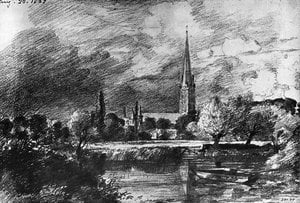
Arundel Mill and Castle

Discover John Constable’s "Arundel Mill & Castle" (1837). A stunning landscape painting showcasing rural Sussex beauty in a Romantic style. Explore its details and timeless appeal.

Upptäck John Constable (1776-1837), den romantiska engelska landskapsmålaren som revolutionerade genren med känslosamma scener från Suffolk & naturen. Utforska ikoniska verk nu!

Giclée / Konsttryck

Giclée- eller canvasprint av museumskvalitet med snabb produktion och flexibla ytbehandlingsalternativ. ( Köp handmålat konstverk Byt till digital bildförsäljning)

Corner sample of the P118B picture frame: formgjuten polystyren, 5 cm wide and 3 cm thick
P118B Skr10
Corner sample of the P118H picture frame: formgjuten polystyren, 5 cm wide and 3 cm thick
P118H Skr10
Corner sample of the P118W picture frame: formgjuten polystyren, 5 cm wide and 3 cm thick
P118W Skr10
Corner sample of the P438Z picture frame: formgjuten polystyren, 5.5 cm wide and 3.5 cm thick
P438Z Skr10
Corner sample of the P508JH picture frame: formgjuten polystyren, 7 cm wide and 3.5 cm thick
P508JH Skr12
Corner sample of the P508YH picture frame: formgjuten polystyren, 7 cm wide and 3.5 cm thick
P508YH Skr12
Corner sample of the P805H picture frame: formgjuten polystyren, 5 cm wide and 3.5 cm thick
P805H Skr10
Corner sample of the P805Z picture frame: formgjuten polystyren, 5 cm wide and 3.5 cm thick
P805Z Skr10
Corner sample of the P919BZ picture frame: formgjuten polystyren, 7 cm wide and 3.5 cm thick
P919BZ Skr10
Corner sample of the P919G picture frame: formgjuten polystyren, 7 cm wide and 3.5 cm thick
P919G Skr10
Corner sample of the P919XJ picture frame: formgjuten polystyren, 7 cm wide and 3.5 cm thick
P919XJ Skr10
Corner sample of the P959ZH picture frame: formgjuten polystyren, 5 cm wide and 3 cm thick
P959ZH Skr10
Corner sample of the P968JZ picture frame: formgjuten polystyren, 6 cm wide and 4 cm thick
P968JZ Skr12
Corner sample of the W106C picture frame: massivt trä, 5 cm wide and 3 cm thick
W106C Skr8
Corner sample of the W218G picture frame: massivt trä, 5 cm wide and 3 cm thick
W218G Skr10
Corner sample of the W218JH picture frame: massivt trä, 5 cm wide and 3 cm thick
W218JH Skr8
Corner sample of the W218Y picture frame: massivt trä, 5 cm wide and 3 cm thick
W218Y Skr10
Corner sample of the W307PJ picture frame: massivt trä, 6 cm wide and 3 cm thick
W307PJ Skr10
Corner sample of the W316G picture frame: massivt trä, 6 cm wide and 3 cm thick
W316G Skr10
Corner sample of the W316PJ picture frame: massivt trä, 6 cm wide and 3 cm thick
W316PJ Skr8
Corner sample of the W316Y picture frame: massivt trä, 6 cm wide and 3 cm thick
W316Y Skr10
Corner sample of the W398PJ picture frame: massivt trä, 5 cm wide and 3 cm thick
W398PJ Skr8
Corner sample of the W4111J picture frame: massivt trä, 6.5 cm wide and 3.5 cm thick
W4111J Skr10
Corner sample of the W500HY picture frame: massivt trä, 7 cm wide and 5 cm thick
W500HY Skr15
Corner sample of the W500JH picture frame: massivt trä, 7 cm wide and 5 cm thick
W500JH Skr15
Corner sample of the W692G picture frame: massivt trä, 8 cm wide and 4 cm thick
W692G Skr12
Corner sample of the W849H picture frame: massivt trä, 5 cm wide and 3 cm thick
W849H Skr8
Corner sample of the W940BG picture frame: massivt trä, 7.5 cm wide and 4.5 cm thick
W940BG Skr15
Corner sample of the W953PJ picture frame: massivt trä, 6 cm wide and 3.5 cm thick
W953PJ Skr8

Standardstorlek
anpassad
CM
INCH

Välj bland våra förinställda storlekar som motsvarar konstverkets ursprungliga proportioner.

bredd
höjd

Ange den bredd och höjd du behöver, för att passa din ram eller din vägg. Ett tryck kan endast beskäras, aldrig göras större än bilden, vilket innebär att ett format med en annan formform leder till att en del av bilden går förlorad. Vi skickar en digital mockup för godkännande innan vi trycker något. Bilden som visas på denna sida visar inte den faktiska beskärningen — det är endast mockuppen som gör det.

Leverans över hela världen () på 2 veckor istället för standard 4/5 veckor. (23 oktober)

Fri expressfrakt över hela världen
Högkvalitativ linnecanvas
Fullständig fraktförsäkring
Garantier för återbetalning av tullavgifter
Garantier för exakt färgåtergivning
100 dagars returrätt vid fabrikationsfel
100% pengarna tillbaka-garanti
Mängdrabatt erbjuds

Totalt pris

Skr 674

Arundel Mill and Castle

Giclée / Konsttryck

Reproduktionsstorlek

-

Totalpris

Skr 674

Snabbfakta

  • notable elements: Mill, castle, river, figures
  • influences: Claude Lorrain
  • year: 1837
  • location: Toledo Museum of Art
  • movement: Romanticism

Konstquiz

Det finns endast ett korrekt svar på varje fråga.

Fråga 1:
In what year was 'Arundel Mill and Castle' painted?
Fråga 2:
Which artistic movement is most closely associated with John Constable and 'Arundel Mill and Castle'?
Fråga 3:
Where is 'Arundel Mill and Castle' currently located?
Fråga 4:
What prominent feature appears in the distance of 'Arundel Mill and Castle'?
Fråga 5:
The painting’s style is described as leaning towards which technique?

A Masterpiece of Romantic Landscape: Unveiling Arundel Mill and Castle

John Constable’s “Arundel Mill and Castle” (1837) is a poignant culmination of his lifelong dedication to capturing the beauty and emotional resonance of the English countryside. Completed in the year of his death, this painting offers a serene yet melancholic view of rural Sussex, embodying the core tenets of Romanticism. It’s a work that speaks to both the grandeur of history and the quiet dignity of nature's passage.

Subject & Composition: A Scene of Rural Life

The composition is anchored by a substantial brick mill building – weathered and worn, yet steadfast – situated on the banks of the River Arun. This working structure grounds the scene in everyday life, while in the distance, *Arundel Castle* rises majestically atop a hill, partially veiled by atmospheric clouds. The foreground features a muddy riverbank populated with trees, notably a gnarled tree trunk that adds texture and visual interest. Several figures are subtly integrated into the landscape: one reclining languidly in the mud, another standing near the water’s edge, inviting contemplation of their place within this expansive scene.

Style & Technique: Constable's Signature Brushwork

Constable’s style is immediately recognizable for its expressive and loose brushwork. He eschewed the highly finished surfaces favored by many of his contemporaries, opting instead for a more *impressionistic* approach that prioritized capturing light, atmosphere, and emotional feeling. The painting is executed in oil paint with broad, visible strokes, creating a rich texture that conveys a sense of age and roughness. His technique emphasizes observation from nature, imbuing the landscape with authenticity and vitality.

Historical Context: A Late Work & Lasting Legacy

“Arundel Mill and Castle” holds particular significance as one of Constable’s final works. He began it in 1836 but set it aside to complete another commission, returning to it in 1837 before his untimely death. His friend, Charles Robert Leslie, deemed the painting sufficiently finished for posthumous exhibition at the Royal Academy that same year. This work reflects Constable’s enduring fascination with mills – structures he associated with both industry and the picturesque beauty of the countryside. It also demonstrates his continued exploration of themes present throughout his career, such as the interplay between nature and human activity.

Symbolism & Emotional Impact: Nostalgia & Contemplation

The painting evokes a sense of quiet contemplation and perhaps even nostalgia. The weathered mill and distant castle hint at the passage of time and the enduring presence of history. The overcast sky and muted color palette – dominated by browns, greys, and ochres – contribute to a somber mood. Yet, within this melancholy lies a profound beauty, inviting viewers to reflect on their own connection to nature and the past. The figures in the landscape seem lost in thought, mirroring the introspective quality of the painting itself.

Influence & Appreciation

Constable’s work had a significant impact on subsequent generations of artists, particularly in France where he profoundly influenced the Barbizon School painters. “Arundel Mill and Castle” exemplifies his unique vision and continues to resonate with audiences today. It is currently housed at the Toledo Museum of Art, offering art lovers a chance to experience this masterpiece firsthand or through high-quality reproductions – perfect for adding a touch of Romantic elegance to any interior space.

Frågor och svar

Hur beskrivs stämningen i "Arundel Mill and Castle" av John Constable?

"Arundel Mill and Castle" har en Romantic atmosfär.

Vilken användning och vilken yta rekommenderas för "Arundel Mill and Castle" av John Constable?

Användning (Accent) och utrymme (Living Room) är de två rekommendationerna för "Arundel Mill and Castle" av John Constable.

Vilket rum rekommenderas "Arundel Mill and Castle" av John Constable för?

"Arundel Mill and Castle" av John Constable rekommenderas för ett Living Room. Detta förslag baseras på verkets motiv, färger och stämning.


Om konstnären

A Life Rooted in the English Landscape

John Constable, född 11 juni 1776 i den idylliska Suffolk-byn East Bergholt, var inte bara en målare av landskap; han var en poet av landet, översättande dess subtila stämningar och bestående skönhet till duken med en osedvanlig känslomässig djup. Hans far, en framgångsrik spannmålshandlare som ägde både Dedham Vale och kvarnar längs floden Stour, gav inte bara ekonomisk säkerhet utan också själva motivet för Constables konstnärliga liv. Denna tidiga immersion i det lantliga livet – den långsamma rytmen av jordbrukslivet, det ständigt föränderliga ljuset över fälten och vattnet, de intima detaljerna i naturen – etsades djupt in i hans sinne. Medan han ursprungligen var tänkt att följa fadern in i affärsvärlden, en växande passion för konst, fostrad av lokala beskyddare som George Beaumont som introducerade honom till verk av Claude Lorrain, ledde slutligen honom på en annan väg. Constables konstnärliga resa var inte omedelbar; det var en gradvis utveckling, formad av noggrann observation och en beständig önskan att fånga inte bara *vad* han såg, utan *hur* det kändes att vara närvarande i landskapet.

Breaking with Convention: A New Vision of Nature

Constables konstnärliga utveckling präglades av en medveten avståndstagande från rådande akademiska konventioner. Missnöjd med de idealiserade och ofta teaterliknande landskap som föredrogs av Royal Academy, sökte han istället efter en sann representation av naturen, fylld av personliga känslor. Han var inte intresserad av storslagna historiska berättelser eller mytologiska scener; hans fokus förblev stadigt fokuserat på det bekanta landskapet runt omkring honom. Detta engagemang för att skildra vardagliga motiv – höstackar, gårdshus, landsbygdslevnad – möttes i första hand av kritik som ansåg hans verk vara för vanliga och bristfälliga i ambition. Men Constable stod fast, driven av en övertygelse om att skönhet fanns i det vardagliga. Han banade vägen för en teknik för *plein air*-måleri, där han vågade sig utomhus för att direkt observera och fånga de flyktiga effekterna av ljus och väder. Denna direkta interaktion med naturen tillät honom att infusa sina dukar med en omedelbarhet och vitalitet som tidigare inte hade skådats i brittisk landskapsmåleri. Hans penseldrag blev alltmer lösa och uttrycksfulla, med hjälp av *impasto* – tjocka lager färg – för att skapa textur och förmedla en känsla av rörelse och atmosfär. Han registrerade inte bara det han såg; han översatte sina känslomässiga reaktioner på landet till visuella former.

Iconic Works and Lasting Influence

Constables mest berömda verk står som vittnesbörd om hans unika vision. The Hay Wain (1821), kanske hans mest igenkännliga målning, fångar en typisk lantlig scen på floden Stour, och fångar den fridfulla och harmoniska jordbrukslivet. Hadleigh Castle (1829) visar upp hans dramatiska användning av ljus och atmosfäriska effekter, och förvandlar ett förfallet ruiner till en kraftfull symbol för tidens gång. Serien målningar som skildrar Salisbury Cathedral from the Meadows (1823) demonstrerar hans förmåga att väcka olika stämningar och tider på dagen, och avslöjar katedralen som en integrerad del av landskapet. Netley Abbey (1824), med sin suggestiva skildring av arkitektonisk prakt fulländad i naturens omfamning, exemplifierar hans färdighet att blanda mänsklig skapelse med den vilda skönheten i landet. Trots initiala svårigheter att få erkännande i England uppnådde Constable betydande berömmelse i Frankrike, där hans innovativa tekniker och känslomässiga djup resonerade djupt hos konstnärer som sökte ett mer naturalistiskt tillvägagångssätt för landskapsmåleri. Han påverkade Barbizonskolan, en grupp franska konstnärer som delade hans engagemang för *plein air*-måleri och direkt observation av naturen.

Personal Life & Final Years

Constables personliga liv präglades av både glädje och sorg. Han gifte sig med Maria Bicknell 1816, och de fick sju barn, men tyvärr dog flera av dem i barndomen. Hans äktenskap gav honom emotionellt stöd, men också ekonomisk börda. Valdes till Royal Academician 1829 fortsatte han att möta kritik från vissa kretsar, särskilt gällande hans konventionella tekniker. Hans sena år skuggades av Marias försämrade hälsa och hennes slutliga död 1828, en händelse som djupt påverkade honom. Trots dessa svårigheter fortsatte Constable att ägna sig åt sin konst, målande tills sin egen bortgång den 31 mars 1837. Han lämnade efter sig ett rikt konstnärligt arv – ett testamente till sitt outslagande engagemang för att fånga landskapets skönhet och känslomässiga djup. Hans målningar är fortfarande kraftfulla evokationer av en svunnen tid, som bjuder in tittarna att uppleva landet genom hans unikt känsliga ögon.

Key Influences

Constable’s artistic development was profoundly shaped by several key influences: * **Claude Lorrain:** The classical landscape painter's emphasis on harmony and idealized beauty served as an early inspiration, though Constable ultimately rejected the formality of Lorrain's style. * **John Thomas Smith:** Constable studied under Smith at the Royal Academy, absorbing his technical skills and understanding of composition. * **George Beaumont:** Beaumont introduced Constable to a circle of art patrons and connoisseurs who fostered his artistic ambitions and provided him with access to important works of art. * **The Barbizon School:** Constable’s commitment to *plein air*-painting and direct observation of nature aligned closely with the principles of the Barbizon School, though he developed his own distinctive style.
John Constable

John Constable

1776 - 1837 , Storbritannien

Snabbfakta

  • Artistic Movement Or Style: Romantism
  • Artists Or Movements Influenced By This Artist: ['Barbizon']
  • Artists Who Influenced This Artist:
    • Claude Lorrain
    • Ruisdael
  • Date Of Birth: 11 juni 1776
  • Date Of Death: 31 mars 1837
  • Full Name: John Constable
  • Nationality: Brittisk
  • Notable Artworks:
    • The Hay Wain
    • Salisbury
    • Hadleigh
  • Place Of Birth: East Bergholt, UK
Utforska konstverk sorterade efter tema, stil och egenskaper.