Förhandsvisa Förhandsgranska i AR Beställ handmålad reproduktion Byt till digital bild Skicka
Visa detaljer Guide Lägg till i favoriter Ladda ner Liknande objekt Röntgen Bildspel Statistik

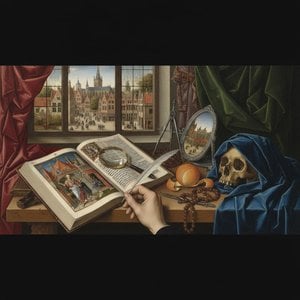
Annunciation

Jan van Eyck ( van EYEK; Dutch: [ˈjɑɱ vɑn ˈɛik]; c. before 1390 – 9 July 1441) was a Flemish painter active in Bruges who was one of the early innovators of what became known as Early Netherlandish painting, and one of the supreme figures of the Early Northern Renaissance. Such was his legacy, that he has been called “the

Diplomati och Artistisk blomstring</h2> En avgörande händelse i Van Eycks karriär inträffade när han utsågs till den burgundiska hovet

Giclée / Konsttryck

Giclée- eller canvasprint av museumskvalitet med snabb produktion och flexibla ytbehandlingsalternativ. ( Beställ handmålad reproduktion Byt till digital bild)

Corner sample of the P118B picture frame: formgjuten polystyren, 5 cm wide and 3 cm thick
P118B Skr10
Corner sample of the P118H picture frame: formgjuten polystyren, 5 cm wide and 3 cm thick
P118H Skr10
Corner sample of the P118W picture frame: formgjuten polystyren, 5 cm wide and 3 cm thick
P118W Skr10
Corner sample of the P438Z picture frame: formgjuten polystyren, 5.5 cm wide and 3.5 cm thick
P438Z Skr10
Corner sample of the P508JH picture frame: formgjuten polystyren, 7 cm wide and 3.5 cm thick
P508JH Skr12
Corner sample of the P508YH picture frame: formgjuten polystyren, 7 cm wide and 3.5 cm thick
P508YH Skr12
Corner sample of the P805H picture frame: formgjuten polystyren, 5 cm wide and 3.5 cm thick
P805H Skr10
Corner sample of the P805Z picture frame: formgjuten polystyren, 5 cm wide and 3.5 cm thick
P805Z Skr10
Corner sample of the P919BZ picture frame: formgjuten polystyren, 7 cm wide and 3.5 cm thick
P919BZ Skr10
Corner sample of the P919G picture frame: formgjuten polystyren, 7 cm wide and 3.5 cm thick
P919G Skr10
Corner sample of the P919XJ picture frame: formgjuten polystyren, 7 cm wide and 3.5 cm thick
P919XJ Skr10
Corner sample of the P959ZH picture frame: formgjuten polystyren, 5 cm wide and 3 cm thick
P959ZH Skr10
Corner sample of the P968JZ picture frame: formgjuten polystyren, 6 cm wide and 4 cm thick
P968JZ Skr12
Corner sample of the W106C picture frame: massivt trä, 5 cm wide and 3 cm thick
W106C Skr8
Corner sample of the W218G picture frame: massivt trä, 5 cm wide and 3 cm thick
W218G Skr10
Corner sample of the W218JH picture frame: massivt trä, 5 cm wide and 3 cm thick
W218JH Skr8
Corner sample of the W218Y picture frame: massivt trä, 5 cm wide and 3 cm thick
W218Y Skr10
Corner sample of the W307PJ picture frame: massivt trä, 6 cm wide and 3 cm thick
W307PJ Skr10
Corner sample of the W316G picture frame: massivt trä, 6 cm wide and 3 cm thick
W316G Skr10
Corner sample of the W316PJ picture frame: massivt trä, 6 cm wide and 3 cm thick
W316PJ Skr8
Corner sample of the W316Y picture frame: massivt trä, 6 cm wide and 3 cm thick
W316Y Skr10
Corner sample of the W398PJ picture frame: massivt trä, 5 cm wide and 3 cm thick
W398PJ Skr8
Corner sample of the W4111J picture frame: massivt trä, 6.5 cm wide and 3.5 cm thick
W4111J Skr10
Corner sample of the W500HY picture frame: massivt trä, 7 cm wide and 5 cm thick
W500HY Skr15
Corner sample of the W500JH picture frame: massivt trä, 7 cm wide and 5 cm thick
W500JH Skr15
Corner sample of the W692G picture frame: massivt trä, 8 cm wide and 4 cm thick
W692G Skr12
Corner sample of the W849H picture frame: massivt trä, 5 cm wide and 3 cm thick
W849H Skr8
Corner sample of the W940BG picture frame: massivt trä, 7.5 cm wide and 4.5 cm thick
W940BG Skr15
Corner sample of the W953PJ picture frame: massivt trä, 6 cm wide and 3.5 cm thick
W953PJ Skr8

Standardstorlek
skräddarsydd
CM
INCH

Välj bland våra förinställda storlekar som motsvarar konstverkets ursprungliga proportioner.

bredd
höjd

Ange den bredd och höjd du behöver för att passa din ram eller vägg. Ett tryck kan endast beskäras, aldrig göras större än originalbilden, vilket innebär att ett format med en annan proportion leder till att en del av bilden går förlorad. Vi skickar en digital mockup för godkännande innan vi påbörjar tryckningen. Bilden som visas på denna sida visar inte den faktiska beskärningen — det är endast mockuppen som gör det.

Leverans över hela världen () på 2 veckor istället för standard 4/5 veckor. (26 oktober)

Fri expressfrakt över hela världen
Högkvalitativ linnecanvas
Fullständig fraktförsäkring
Garantier för återbetalning av tullavgifter
Garantier för exakt färgåtergivning
100 dagars returrätt (endast vid fel)
100% pengarna tillbaka-garanti
Mängdrabatt erbjuds

Totalt pris

Skr 675

Annunciation

Giclée / Konsttryck

Storlek på reproduktion

-

Slutgiltigt pris

Skr 675

A Window Into Divine Revelation: Jan van Eyck’s Annunciation

Jan van Eyck's Annunciation stands as an unparalleled testament to the artistic brilliance of the Early Netherlandish Renaissance, cementing its place among the most revered paintings in Western art history. Created in 1436 for St Bavo Cathedral in Ghent, Belgium—a commission that would propel him to international fame—this monumental altarpiece transcends mere visual representation; it embodies a profound spiritual narrative meticulously crafted with groundbreaking artistic innovation.
  • Subject Matter: The painting depicts the pivotal moment when Gabriel announces to Mary that she will conceive Jesus Christ, marking the genesis of Christian faith and tradition. This biblical scene is rendered with breathtaking realism, capturing the serene intimacy of the Virgin’s contemplation and the angelic messenger's solemn proclamation.
  • Style & Technique: Van Eyck’s mastery lies in his pioneering application of oil paint—a technique previously uncommon in Northern Europe—allowing for unprecedented levels of detail and luminosity. Layers upon layers of pigment create a palpable sense of depth, capturing textures with astonishing accuracy, from the folds of Mary's robe to the delicate feathers of Gabriel’s wings.

Compositional Genius: Linear Perspective and Architectural Framing

The painting’s composition is masterful, employing linear perspective to establish a convincing illusion of space within the cathedral interior. A doorway frames the scene, subtly dividing the space into two distinct realms—the earthly sanctuary and the divine realm—symbolizing the transition between human experience and spiritual grace. This architectural element isn't merely decorative; it serves as a crucial tool in conveying the painting’s overarching message.

Symbolism: Dove and Light – Echoes of Holy Spirit

Beyond its visual splendor, Annunciation is rich with symbolic significance. The dove perched atop Gabriel’s left shoulder represents the Holy Spirit—God’s divine presence illuminating Mary's womb and signifying the incarnation of Christ. This emblem underscores the painting’s theological core, emphasizing God’s intervention in human history and reaffirming the sanctity of faith.

Historical Context & Legacy

Jan van Eyck was a pivotal figure within the Early Netherlandish artistic movement alongside Rogier van der Weyden and Petrus Christus. His work challenged prevailing conventions, prioritizing meticulous observation and capturing the subtleties of human emotion—a departure from earlier Gothic styles. The Annunciation profoundly influenced subsequent artists, establishing standards for realism and expressive detail that would endure for centuries. Its enduring appeal lies in its ability to evoke contemplation and inspire awe, reminding viewers of the transformative power of faith.

Bringing Van Eyck’s Vision Home

A high-quality reproduction of Annunciation by Jan van Eyck offers a captivating glimpse into the artistic achievements of the Renaissance. Explore stunning reproductions at WahooArt.com and discover how this iconic masterpiece can enrich your interior space.

  • Size: 39 x 24 cm
  • Date: 1436

Further Exploration

Delve deeper into Jan van Eyck’s artistic world and the broader context of Northern Renaissance art by visiting The Annunciation at The National Gallery of Art or exploring St Bavo’s Cathedral in Ghent.

Frågor och svar

Var kan man se "Annunciation" av Jan van Eyck utställd idag?

Originalet av "Annunciation" av Jan van Eyck finns på Thyssen-Bornemisza Museet, Madrid, Spanien. En reproduktion gör det möjligt att visa verket i hemmet.

Kan jag beställa en oljereproduktion av "Annunciation"?

"Annunciation" finns tillgänglig som en handmålad oljereproduktion på linneväv. Du kan lägga din beställning på dess Handmålad reproduktion-sida, där du kan välja mellan olika storlekar.

Hur ljus är "Annunciation" i sin helhet?

Sammantaget har "Annunciation" registrerats som skugga. Upplevd ljusstyrka beskriver hur ljust eller mörkt verket framstår.


Konstnärsbiografi

Ett liv i ljus: Jan van Eycks värld

Jan van Eyck, ett namn som är synonymt med gryningen av den tidiga nederländska målningen och den revolutionerande användningen av oljefärg, förblir en gåtfull gestalt trots sin monumentala inverkan på konsthistorien. Född omkring 1390 i Maastricht, inbäddad i det som nu är Nederländerna, framträdde van Eyck ur en familj genomsyrad av konstnärlig tradition – hans äldre bror Hubert utövade också målerikonsten, även om detaljer kring hans arbete förblir höljda i dunkel. Även om exakta biografiska uppgifter är knappa, särskilt gällande hans formativa år, är det tydligt att Jan besatt en medfödd talang och snabbt steg till framstående position inom konstnärskretsarna i sin tid. Redan 1422 hade han etablerat en verkstad i Haag, anställt assistenter och åtagit sig uppdrag som signalerade hans behärskning av hantverket. Denna tidiga framgång baserades inte bara på konstnärlig skicklighet; van Eyck var en intelligent och pålitlig man, egenskaper som snart skulle locka honom in i tjänst hos mäktiga beskyddare.

Tjänsten vid Burgund: Diplomati och konstnärlig blomstring

En avgörande händelse i van Eycks karriär inträffade när han utsågs till den burgundiska hovet, först under Johan III den Barmhärtige och senare Filip den Gode. Detta var inte bara ett beskyddaravtal; van Eyck anförtroddes diplomatiska uppdrag, vilket visade hertigens förtroende för hans diskretion och intellekt. Dessa resor genom Europa – inklusive äventyr till Portugal och Spanien – exponerade honom för olika kulturer och konstnärliga influenser, som subtilt formade hans utvecklande stil. Hovet gav inte bara ekonomisk trygghet utan också tillgång till resurser som gjorde det möjligt för van Eyck att bedriva ambitiösa projekt, skjuta gränserna för vad som var konstnärligt uppnåeligt. Han var inte bara en målare *för* den burgundiska eliten; han blev en integrerad del av deras värld och speglade och förstärkte deras prestige genom sin konst. Denna unika position gav honom en grad av konstnärlig frihet som sällan åtnjöts av målare under epoken, vilket möjliggjorde experimenterande och innovation som för alltid skulle förändra måleriets gång.

Oljans alkemi: En revolution i teknik

Även om van Eyck inte uppfann oljefärg – dess användning föregår honom – är han otvivelaktigt dess mästerfulla fulländare. Före hans innovationer var tempera det dominerande mediet, vilket erbjöd begränsade blandningsmöjligheter och en relativt matt yta. Van Eyck låste upp oljefärgens fulla potential genom noggrann lager på lager av genomskinliga lasyrer, vilket uppnådde en oöverträffad detaljnivå, lyster och realism. Denna teknik möjliggjorde subtila tonövergångar, rikare färger och skapandet av texturer som efterliknade livet självt. Effekten var transformativ; ytor verkade lysa inifrån, tyger hade en taktil kvalitet och porträtt fångade inte bara likhet utan också psykologiskt djup. Hans behärskning var inte bara teknisk – det var en alkemisk process som förvandlade pigment till något liknande levande verklighet. Denna innovation gick inte obemärkt förbi; den blev grunden för generationer av efterföljande målare och förändrade fundamentalt västerländsk konst.

Mästerverk och bestående arv

Van Eycks konstnärliga arv befästs av en relativt liten men djupt inflytelserik samling verk. Gentaltaret (1432), ett monumentalt polyptykon, står som hans mest ambitiösa företag – en komplex väv av religiös symbolism och teknisk briljans. Lika känt är *Porträttet av Giovanni Arnolfini och hans fru* (1434), ett banbrytande verk i porträttmåleriet hyllat för sin realism, intrikata detaljer och gåtfulla symbolism. Andra anmärkningsvärda verk inkluderar Dresdentriptyken, som visar hans skicklighet i att avbilda religiösa scener med anmärkningsvärd klarhet, och det slående *Man in Blue Turban*, ett bevis på hans förmåga att fånga individuell karaktär. Dessa målningar är inte bara visuella representationer; de är fönster till en annan värld – en värld minutiöst återgiven med en nästan obsessiv uppmärksamhet på detaljer. Van Eycks inflytande sträcker sig långt bortom dessa ikoniska verk och formar utvecklingen av den tidiga nederländska målningen och inspirerar otaliga konstnärer i århundraden framöver. Han dog i Brugge 1441, efterlämnandes ett arv som fortsätter att resonera idag, påminner oss om konsten förmåga att belysa den mänskliga upplevelsen.

  • Gentaltaret: Ett monumentalt polyptykon, van Eycks mest ambitiösa verk.
  • Porträttet av Giovanni Arnolfini och hans fru: Banbrytande porträttmåleri känt för realism och symbolism.
  • Dresdentriptyken: Visar van Eycks skicklighet i religiösa scener.
  • Man in Blue Turban: Ett bevis på hans förmåga att fånga individuell karaktär.
Jan van Eyck

Jan van Eyck

1390 - 1441 , Nederländerna

Kortfakta

  • Artistic Movement Or Style: Tidig nederländsk målning
  • Artists Or Movements Influenced By This Artist: ['Tidiga nederländska målare']
  • Date Of Birth: ca 1390
  • Date Of Death: 1441
  • Full Name: Jan van Eyck
  • Nationality: Flamländsk
  • Notable Artworks:
    • Ghentaltaret
    • Arnolfinporträttet
    • Dresdentriptyken
  • Place Of Birth: Maastricht, Nederländerna
Utforska konstverk sorterade efter tema, stil och egenskaper.