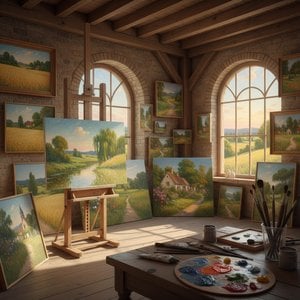
The Convergence of Nature and Modern Art at Instituto Inhotim
To speak of the Instituto Inhotim is to speak of an experience that transcends the traditional boundaries between gallery wall and natural landscape. It is less a museum and more a living, breathing dialogue—a monumental conversation staged within the lush embrace of Brazil's Atlantic Forest biome. Conceived from the vision of former mining magnate Bernardo Paz, this institution has blossomed into one of Latin America’s most significant outdoor art centers. Its very existence challenges conventional notions of artistic display, suggesting that the deepest resonance in contemporary art can be found where meticulously crafted human creativity meets untamed botanical splendor.
The journey to Inhotim is itself part of the narrative. Established initially as a repository for Paz's profound personal collection, its subsequent opening to the public marked a pivotal moment. It did not merely house art; it curated an environment where art could interact with ecology, forcing viewers into a state of contemplation that few indoor settings can replicate. The sheer scale—spanning over 1,900 acres—is breathtaking, yet this vastness is managed with an almost surgical grace, allowing pockets of intense artistic focus to emerge from the verdant expanse.
A Tapestry of Global and Local Voices
The collection itself reads like a global conversation spanning decades. Here, one encounters monumental works by international masters alongside vital contributions from Brazilian contemporary artists. The art is not static; it demands movement, encouraging visitors to wander through pathways that guide them past installations seemingly grown out of the earth or suspended in defiance of gravity. Consider the profound impact of pieces such as Max Bill's construction en laiton, a sculpture whose very materiality speaks to themes of contrast and perfect harmony against the backdrop of tropical foliage.
The inclusion of digital works, like the notable 2010 piece Aerial View of Inhotim, demonstrates the institute's commitment to embracing every facet of modern artistic expression. These diverse holdings—from massive outdoor sculptures to intimate installations—do not merely decorate the landscape; they engage with it, using natural elements as both subject and medium.
The Educational Heartbeat: Cultivating Understanding
What elevates Inhotim beyond a mere spectacle is its deep commitment to education. The institute understands that true appreciation requires context. Therefore, it nurtures a robust ecosystem of learning. Guided tours become immersive narratives, workshops invite participation, and the residency program acts as a vital circulatory system for creativity. By providing artists with studios nestled within this unique environment, Inhotim ensures that its role remains perpetually forward-looking, always anticipating the next wave of artistic thought.
The significance of Instituto Inhotim lies in its refusal to compartmentalize beauty or knowledge. It posits a model where art, nature, and culture are inseparable partners. To walk through its grounds is to participate in an ongoing dialogue—a powerful testament to the enduring power of human imagination when given room to breathe within the embrace of the natural world.



 Beställ handmålad reproduktion
 Skicka
 Dela
Dela
 Visa detaljer
 Guide
Guide

 Ladda ner
 Liknande objekt
 Bildspel
 Statistik


 Visa mer






































 Glasalternativet är endast tillgängligt i storlekar under 110 cm.