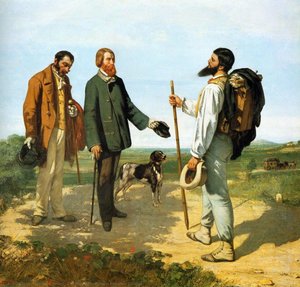
x


 Beställ målning Köp högupplöst digital bild
 Skicka
 Details
 Lägg till i favoriter
 Ladda ner
 Liknande objekt
 X-Ray
X-Ray
 Bildspel
 Akryl på dukVäggkonstContemporary Realism
 1841
1841 38.0 x 54.0 cm
Giclée- eller canvasprint av museumskvalitet med snabb produktion och flexibla ytbehandlingsalternativ.





























Välj bland våra förinställda storlekar som motsvarar konstverkets ursprungliga proportioner.

Du kan ange egna mått för att passa en specifik ram eller yta. Om det valda måttet inte överensstämmer med originalbildens proportioner kommer vi antingen att beskära konstverket eller utöka bilden med en speglad eller enfärgad kant. En digital mockup skickas för ditt godkännande innan produktionen påbörjas.
Vänligen notera att förhandsvisningen på skärmen inte återspeglar den faktiska beskärningen eller utökningen. Endast mockuppen visar den slutgiltiga kompositionen korrekt.
Även om anpassade storlekar är möjliga, rekommenderar vi att du väljer ett mått från den fördefinierade listan för att bevara de ursprungliga proportionerna.
Leverans över hela världen () på 2 veckor istället för standard 4/5 veckor. (1 juli)


Skogen i hösten
Storlek på reproduktion


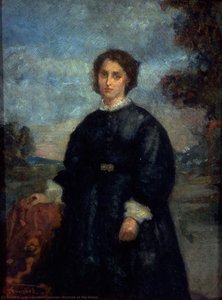


1819 - 1877 , Frankrike

Explore the captivating world of Bernard Cathelin, a master of French Poetic Realism. Discover his stunning still lifes & landscapes, and learn about his legacy with WahooArt.
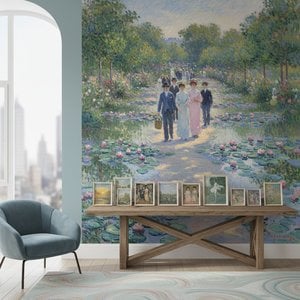
Upptäck de 10 mest inflytelserika impressionistiska mästerverken! Monet, Renoir & Degas – lär känna historien bakom ikoniska målningar och deras unika ljus. Köp konsttryck av högsta kvalitet på .

Upptäck de 10 mest ikoniska impressionistiska landskapsmålningarna av Monet, Renoir & Van Gogh. Lär känna historien bakom mästerverken och hitta inspiration för din inredning på WahooArt.se – museumkvalitet hem till dig!

Explore the captivating landscapes of Ferdinand Guillaumin, a key figure in Impressionism. Discover his vibrant color palettes, symbolic style & lasting legacy with WahooArt.

Explore the captivating world of 19th-century Realist painting! Discover key artists like Courbet & Manet, groundbreaking techniques, and the powerful social commentary that defined this influential art movement. Expert insights at WahooArt.


Håll dig uppdaterad med de senaste konstnyheterna, exklusiva erbjudanden och inredningsidéer.
Berätta om ditt projekt så kommer våra konstexperter att ge dig 3 personliga konstförslag.
Vi skapar ett urval av 3 alternativ helt anpassat för dig – gratis!
 Dela
Dela

 Läs mer






 Glasalternativet är endast tillgängligt i storlekar under 110 cm.