Visa i rummet Se i AR Köp handmålat konstverk Byt till digital bildförsäljning Skicka
Detaljer Studentguide för konstverk Lägg till i favoriter Ladda ner Liknande objekt Röntgen Bildspel Besökstatistik

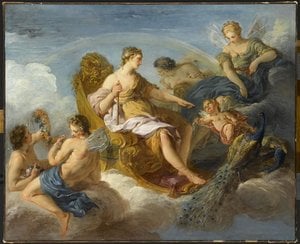
The Bather

Admire François Lemoyne's 'The Bather,' a captivating Rococo masterpiece showcasing classical beauty and serene landscapes. Explore the artistry & details of this iconic Hermitage Museum painting.

François Lemoyne (1688-1737): Frans radikal rokoko-målare som återupplivade storslagna allegorier & influerad av Rubens! Upptäck hans elegans och barockprakt!

Giclée / Konsttryck

Giclée- eller canvasprint av museumskvalitet med snabb produktion och flexibla ytbehandlingsalternativ. ( Köp handmålat konstverk Byt till digital bildförsäljning)

Corner sample of the P118B picture frame: formgjuten polystyren, 5 cm wide and 3 cm thick
P118B Skr10
Corner sample of the P118H picture frame: formgjuten polystyren, 5 cm wide and 3 cm thick
P118H Skr10
Corner sample of the P118W picture frame: formgjuten polystyren, 5 cm wide and 3 cm thick
P118W Skr10
Corner sample of the P438Z picture frame: formgjuten polystyren, 5.5 cm wide and 3.5 cm thick
P438Z Skr10
Corner sample of the P508JH picture frame: formgjuten polystyren, 7 cm wide and 3.5 cm thick
P508JH Skr12
Corner sample of the P508YH picture frame: formgjuten polystyren, 7 cm wide and 3.5 cm thick
P508YH Skr12
Corner sample of the P805H picture frame: formgjuten polystyren, 5 cm wide and 3.5 cm thick
P805H Skr10
Corner sample of the P805Z picture frame: formgjuten polystyren, 5 cm wide and 3.5 cm thick
P805Z Skr10
Corner sample of the P919BZ picture frame: formgjuten polystyren, 7 cm wide and 3.5 cm thick
P919BZ Skr10
Corner sample of the P919G picture frame: formgjuten polystyren, 7 cm wide and 3.5 cm thick
P919G Skr10
Corner sample of the P919XJ picture frame: formgjuten polystyren, 7 cm wide and 3.5 cm thick
P919XJ Skr10
Corner sample of the P959ZH picture frame: formgjuten polystyren, 5 cm wide and 3 cm thick
P959ZH Skr10
Corner sample of the P968JZ picture frame: formgjuten polystyren, 6 cm wide and 4 cm thick
P968JZ Skr12
Corner sample of the W106C picture frame: massivt trä, 5 cm wide and 3 cm thick
W106C Skr8
Corner sample of the W218G picture frame: massivt trä, 5 cm wide and 3 cm thick
W218G Skr10
Corner sample of the W218JH picture frame: massivt trä, 5 cm wide and 3 cm thick
W218JH Skr8
Corner sample of the W218Y picture frame: massivt trä, 5 cm wide and 3 cm thick
W218Y Skr10
Corner sample of the W307PJ picture frame: massivt trä, 6 cm wide and 3 cm thick
W307PJ Skr10
Corner sample of the W316G picture frame: massivt trä, 6 cm wide and 3 cm thick
W316G Skr10
Corner sample of the W316PJ picture frame: massivt trä, 6 cm wide and 3 cm thick
W316PJ Skr8
Corner sample of the W316Y picture frame: massivt trä, 6 cm wide and 3 cm thick
W316Y Skr10
Corner sample of the W398PJ picture frame: massivt trä, 5 cm wide and 3 cm thick
W398PJ Skr8
Corner sample of the W4111J picture frame: massivt trä, 6.5 cm wide and 3.5 cm thick
W4111J Skr10
Corner sample of the W500HY picture frame: massivt trä, 7 cm wide and 5 cm thick
W500HY Skr15
Corner sample of the W500JH picture frame: massivt trä, 7 cm wide and 5 cm thick
W500JH Skr15
Corner sample of the W692G picture frame: massivt trä, 8 cm wide and 4 cm thick
W692G Skr12
Corner sample of the W849H picture frame: massivt trä, 5 cm wide and 3 cm thick
W849H Skr8
Corner sample of the W940BG picture frame: massivt trä, 7.5 cm wide and 4.5 cm thick
W940BG Skr15
Corner sample of the W953PJ picture frame: massivt trä, 6 cm wide and 3.5 cm thick
W953PJ Skr8

Standardstorlek
anpassad
CM
INCH

Välj bland våra förinställda storlekar som motsvarar konstverkets ursprungliga proportioner.

bredd
höjd

Ange den bredd och höjd du behöver, för att passa din ram eller din vägg. Ett tryck kan endast beskäras, aldrig göras större än bilden, vilket innebär att ett format med en annan formform leder till att en del av bilden går förlorad. Vi skickar en digital mockup för godkännande innan vi trycker något. Bilden som visas på denna sida visar inte den faktiska beskärningen — det är endast mockuppen som gör det.

Leverans över hela världen () på 2 veckor istället för standard 4/5 veckor. (23 oktober)

Fri expressfrakt över hela världen
Högkvalitativ linnecanvas
Fullständig fraktförsäkring
Garantier för återbetalning av tullavgifter
Garantier för exakt färgåtergivning
100 dagars returrätt vid fabrikationsfel
100% pengarna tillbaka-garanti
Mängdrabatt erbjuds

Totalt pris

Skr 674

The Bather

Giclée / Konsttryck

Reproduktionsstorlek

-

Totalpris

Skr 674

Snabbfakta

  • Subject or theme: Nude bathing scene
  • Artist: François Lemoyne
  • Movement: Rococo
  • Medium: Oil on canvas
  • Dimensions: 137 x 105 cm

Konstquiz

Det finns endast ett korrekt svar på varje fråga.

Fråga 1:
What artistic movement is most closely associated with François Lemoyne’s ‘The Bather’?
Fråga 2:
In the painting 'The Bather', what is depicted in the background landscape?
Fråga 3:
According to the description, what is a key characteristic of Lemoyne’s style as demonstrated in ‘The Bather’?
Fråga 4:
What year was François Lemoyne born?
Fråga 5:
The painting ‘The Bather’ is housed in which museum?

François Lemoyne’s “The Bather”: A Baroque Embrace of Form and Nature

François Lemoyne's "The Bather," housed within the venerable halls of the Hermitage Museum in St. Petersburg, is more than a simple depiction of two women enjoying a tranquil moment; it’s a masterful distillation of 18th-century Rococo aesthetics, imbued with the grandeur and intellectual depth sought by its creator. Painted around the mid-1720s, this oil on canvas work offers a glimpse into a world where classical ideals intertwined with the burgeoning sensuality of the era, showcasing Lemoyne’s skill in capturing both human form and the harmonious relationship between figure and landscape.

Lemoyne, born in Paris in 1688, was a dedicated revivalist. He sought to resurrect the monumental allegorical paintings that had fallen out of favor since the time of Charles Le Brun, viewing himself as a worthy successor to this illustrious tradition. Unlike mere decorative works, Lemoyne aimed for pieces possessing significant intellectual weight and emotional resonance – a reflection of the complex spirit of the Rococo period while simultaneously drawing upon the stability and balance of classical art. The painting’s composition immediately establishes this duality; the figures are presented within a carefully constructed natural setting, yet their poses and gazes convey a subtle interplay of observation and intimacy.

A Study in Drapery and Light

The immediate impact of “The Bather” lies in its exquisite rendering of form and texture. Lemoyne’s mastery of drapery is particularly noteworthy. The flowing garments enveloping the figures are not merely decorative; they actively contribute to the sense of movement and life within the scene. Each fold, pleat, and drape appears sculpted with meticulous detail, suggesting a tactile quality that invites the viewer to almost reach out and feel the fabric’s weight and texture. This is further enhanced by Lemoyne's skillful use of light and shadow – a hallmark of Baroque technique—which models the curves of the bodies and creates a sense of depth within the landscape.

The background, depicting a serene woodland scene with trees and foliage rendered in soft blues and greens, provides a tranquil counterpoint to the figures. The sky, dotted with clouds, reinforces this atmosphere of peaceful contemplation. Notice how Lemoyne subtly integrates the natural elements into the composition; the branches of the trees frame the women, creating a sense of enclosure and intimacy while simultaneously emphasizing their connection to the surrounding environment. Research reveals that Lemoyne’s time in Venice and Rome profoundly influenced his approach, evident in the vibrant local colors used to depict the foliage – a departure from the more muted palettes often favored in Parisian art at the time.

Symbolism and the Rococo Ideal

While seemingly simple in its subject matter, “The Bather” is rich in symbolic potential. The act of bathing itself held multiple meanings during the 18th century – representing purification, renewal, and a connection to nature. The two women, positioned in close proximity yet engaged in distinct activities, invite speculation about their relationship. One appears to be lost in thought, while the other observes her companion with a gentle curiosity. This subtle dynamic speaks to the complexities of human interaction and the enduring fascination with the mysteries of the female psyche – themes frequently explored within the Rococo style.

The painting’s overall mood is one of understated elegance and quiet beauty. It's a testament to Lemoyne’s ability to capture not just the physical likeness of his subjects, but also their inner lives—a skill that cemented his place as a significant figure in the transition from Baroque formality to the more playful sensibilities of the Rococo era. WahooArt offers meticulously crafted hand-painted reproductions that faithfully recreate this exquisite work, allowing you to experience its timeless beauty and intellectual depth firsthand.

Bringing “The Bather” Home

Reproductions of "The Bather" by WahooArt are available in a range of sizes, ensuring that you can find the perfect piece to complement your interior design. Whether adorning a formal salon or adding a touch of classical grace to a more casual space, this painting’s serene beauty and masterful technique will undoubtedly captivate viewers for years to come. Explore our collection today and bring a touch of 18th-century French artistry into your home.

Frågor och svar

Vilken färg sticker ut mest i "The Bather"?

Den dominerande färgen i "The Bather" av François Lemoyne är Espresso (#5a4933).

Vilken färgpalett och vilken känsla förenar "The Bather"?

Den Earthy färgpaletten i "The Bather" av François Lemoyne harmonierar med dess Tranquil emotionella ton. Färg är ett av de sätt som ett verk förmedlar känsla på.

Förvaras "The Bather" i skaparens hemland?

Nej – konstverket förvaras utomlands. François Lemoyne föddes i Frankrike, och museet som förvarar originalet av "The Bather" ligger i Russia.


Om konstnären

En Pariskansk Arv i Rokokoets Prakt

François Lemoyne, ett namn kanske inte lika omedelbart igenkänt som sina samtida Boucher eller Watteau, intar ändå en betydande plats i den franska konstens 1700-tals väv. Född i Paris 1688 ägnade Lemoyne sitt liv åt att återuppliva den storslagna allegoriska målningens prakt – en tradition som hade falnat något sedan Charles Le Bruns tid, en artist Lemoyne beundrade djupt och sökte efterlikna. Hans ambition var inte blott att dekorera, utan att skapa verk fyllda med intellektuell tyngd och emotionellt djup, vilket speglade Rokokoepokens komplexa anda samtidigt som han vände sig tillbaka mot ett mer klassiskt ideal. Från sin tidiga träning under sin styvfader, Robert le Vrac, och senare i den rigorösa miljön vid Académie Royale de peinture et de sculpture, visade Lemoyne en hängivenhet till att bemästra både teknisk skicklighet och konstnärligt uttryck. Hans formella utbildning med Louis Galloche och Pierre-Jacques Cazes var avgörande, särskilt i utvecklingen av hans nyanserade förståelse för färg – ett kännetecken som skulle bli alltmer framträdande under hela hans karriär. Det eftertraktade Prix de Rome 1711 markerade en vändpunkt, även om ekonomiska begränsningar initialt fördröjde hans resa till Italien; en resa han slutligen företog 1723 i sällskap med François Berger.

Italienska Ekon och Rokokoets Blomstring

Resan till Italien visade sig vara förvandlande för Lemoyne. Genom att fördjupa sig i renässansmästarnas verk, som Raphael, Correggio och Titian, absorberade han deras tekniker och estetiska principer, vilket berikade sitt konstnärliga vokabulär. Det var dock Peter Paul Rubens dynamiska energi som lämnade ett bestående intryck på hans stil – tydligt i hans livfulla färgpaletter och dramatiska kompositioner. Exponeringen för venetiansk målning inom Pierre Crozats berömda samling förfinade ytterligare hans känslighet, vilket främjade en kärlek till rika texturer och atmosfäriska effekter. Dessa influenser smälte samman till en distinkt Rokokoestetik präglad av elegans, utsmyckning och ett fokus på dekorativ skönhet. Ändå övergav Lemoyne aldrig ambitionen om den stora narrativa som definierade tidigare fransk akademisk målning; han sökte syntetisera dessa till synes olika element – Rokokons lätthet och grace med den klassiska traditionens intellektuella rigor. Denna unika blandning är det som skiljer hans verk åt och bidrar till deras bestående attraktionskraft.

Versailles och Kungligt Erkännande

Lemoynes konstnärliga skicklighet fann sitt mest spektakulära uttryck i hans monumentala takfresker, framför allt L'Apothéose d'Hercule (Hercules Apoteos) i Salon d’Hercule på Versailles slott. Detta mästerverk – en bländande uppvisning av illusionistisk teknik och dynamisk komposition – vann omedelbart stor beröm. Samtida, som Voltaire och Cardinal Fleury, hyllade dess briljans och erkände Lemoyne som en mästare i sitt hantverk. Bortom Versailles tog han också på sig betydande religiösa uppdrag, såsom The Transfiguration i koret av Jacobinkyrkan (nu Parish Church of St. Thomas d’Aquin) i Paris, vilket visade hans mångsidighet och förmåga att anpassa sin stil till olika ämnen. År 1736 nådde Lemoyne höjdpunkten i sin karriär med sin utnämning som Premier peintre du roi (Förste målare till kungen) under Ludvig XV – ett bevis på hans konstnärliga prestationer och ställning vid det franska hovet.

En Tragisk Avslutning och Bestående Inflytande

Trots att han nådde sådana höjder, skar Lemoynes liv tragiskt kort av genom självmord 1737. Hans tidiga död markerade inte bara en personlig förlust utan signalerade också en förändring i konstsmakerna; den sammanföll med en nedgång i populariteten för de storskaliga allegoriska takmålningarna som han så passionerat förespråkade. Ändå bestod hans arv genom sina elever, inklusive framstående konstnärer som Charles-Joseph Natoire och François Boucher, till vilka han överförde sin kunskap och färdigheter. Även om han kanske inte är lika allmänt firad idag som några av sina samtida, uppskattas Lemoynes bidrag till fransk Rokokokonst alltmer för deras tekniska behärskning, konstnärliga ambitioner och den unika syntesen av klassiska ideal med sin tids rådande estetiska känslighet. Hans verk är ett bevis på en hängiven artist som sökte höja målningen till dess högsta form – ett arv som fortsätter att inspirera och fängsla publiken århundraden senare.

Nyckelverk & Konstnärliga Bidrag

  • Takfresker: Lemoynes mest hyllade prestationer, exemplifierat av L'Apothéose d'Hercule, visar hans behärskning av illusionistiska tekniker och dynamisk komposition.
  • Mytska Scener: Verk som Hercules and Omphale demonstrerar hans förmåga att skildra klassiska berättelser med både dramatisk intensitet och sensuell grace.
  • Religiösa Målningar: The Transfiguration exemplifierar hans skicklighet i att återge religiösa ämnen med emotionellt djup och teknisk precision.
  • Porträtt: Hans porträtt av Head of King Louis XV, avslöjar en subtil förståelse för karaktär och ett mästerverk i kol och pastelltekniker.
François Lemoyne

François Lemoyne

1688 - 1737 , Frankrike

Snabbfakta

  • Artistic Movement Or Style: Rokokokonst
  • Artists Or Movements Influenced By This Artist:
    • Natoire
    • Boucher
  • Artists Who Influenced This Artist:
    • Rubens
    • Raphael
    • Correggio
    • Titian
    • Cazes
  • Date Of Birth: 1688
  • Date Of Death: 1737
  • Full Name: François Lemoyne
  • Nationality: Fransk
  • Notable Artworks:
    • L'Apothéose d'Hercule
    • Hercules och Omphale
    • Perseus och Andromeda
    • Kung Ludvig XV:s porträtt
    • The Transfiguration
  • Place Of Birth: Paris, Frankrike