KOSTNADSFRI KONSTRÅDGIVNING

x
Köp tryck Köp tryckBeställ målning Beställ målning SkickaSkicka
Visa detaljerVisa detaljer Lägg till i favoriter Lägg till i favoriter Ladda nerLadda ner Liknande objektLiknande objekt RöntgenRöntgen BildspelBildspel

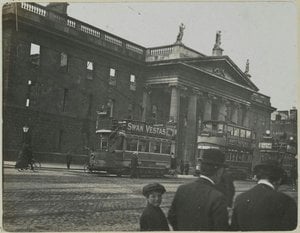
Eclipse, 1911

Discover "Eclipse, 1911" by Eugène Atget – a captivating black & white photograph of Parisian street life. Explore this iconic image's historical significance and artistic merit.

Discover Eugène Atget (1857-1927), a pioneering French photographer who meticulously documented Old Paris before its transformation. Explore his evocative images of architecture, streets & Parisian life.

Köp en högupplöst, förbättrad digital bild som är vida överlägsen förhandsvisningen online.

Varje fil är noggrant förberedd av våra interna specialister med hjälp av avancerade verktyg och professionell manuell retuschering. Vi säkerställer att varje bild har exceptionell skärpa, exakt färgåtergivning och fina detaljer.

Den slutgiltiga filen levereras via e-post inom 72 timmar, optimerad för omedelbar användning i professionella sammanhang, redaktionellt bruk och tryckmiljöer. Detta är samma kvalitet som används med förtroende av ledande designstudior, förlag och gallerier.

Digital bild

Ladda ner en högupplöst fil för personlig visning, utskrift och kreativa projekt.

Totalpris

$9.99

Ingår i varje beställning av digital bild

Professionell digital leverans, garanterad

När du väljer WahooArt.com får du inte bara en bild – du får ett professionellt förädlat digitalt konstverk, skapat med precision och med en garanterad tillfredsställelse. Här är allt som ingår i din beställning, automatiskt:

shipping_icon
Snabb leverans via e-post

Din högupplösta digitala bildfil skickas till dig via e-post inom 72 timmar efter beställning – redo för omedelbar användning.

canvas_icon
AI-förbättrad digital bild

Ditt konstverk optimeras professionellt med hjälp av avancerade AI-verktyg och manuell redigering, vilket garanterar maximal detaljrikedom, skärpa och färgnoggrannhet.

insurance_icon
Gratis livstidsåterutskick

Har du råkat radera eller tappa bort din fil? Ingen oro – vi skickar den kostnadsfritt till dig när som helst.

tax_icon
Inga importavgifter – någonsin

Njut av ditt konstverk omedelbart utan tull, importavgifter eller leveranskostnader – digitala nedladdningar är alltid skattefria.

color_icon
Garanterad färgåtergivning

Vi säkerställer att din digitala bild återger de ursprungliga färgerna så exakt som möjligt med hjälp av professionella verktyg och färghantering.

return_icon
60 dagars nöjdhetsgaranti

Om du inte är nöjd med din digitala bild kommer vi att revidera den eller återbetala 100% inom 60 dagar – utan frågor.

guarantee_icon
100% pengarna-tillbaka-garanti

Inte nöjd? Få full återbetalning inom 60 dagar efter att du har tagit emot din digitala fil – inga frågor åsett.

discount_icon
Rabatt vid storköp

Köp 3 bilder, spara 10% - Köp 5, spara 15% - Köp 10+, spara 20%. Perfekt för kreativa projekt, gallerier och byråer.

Kortfakta

  • Artist: Eugène Atget
  • Artistic style: Documentary
  • Influences: Impressionism
  • Movement: Photography
  • Subject or theme: Parisian cityscape
  • Location: The Metropolitan Museum of Art
  • Notable elements or techniques: Glass negative printing

Konstquiz

Det finns endast ett korrekt svar på varje fråga.

Fråga 1:
What is the primary subject matter depicted in Eugène Atget’s photograph ‘Eclipse’?
Fråga 2:
Approximately when was the photograph ‘Eclipse’ printed?
Fråga 3:
What artistic technique did Eugène Atget employ to create this image?
Fråga 4:
The photograph captures a moment of observation by visitors. What does this suggest about Atget’s artistic intention?
Fråga 5:
Where is ‘Eclipse’ currently housed?

Beskrivning av samlarobjektet

A Silent Witness to Parisian Decay

Eugène Atget’s “Eclipse,” produced in 1956 from a glass negative taken in 1911, isn't merely a photograph; it’s a poignant snapshot of a disappearing Paris—a city grappling with the anxieties of modernity while clinging stubbornly to its past. Captured during the Belle Époque, a period characterized by optimism and artistic flourishing, Atget’s image offers a stark contrast to the prevailing celebratory mood.

The photograph depicts a group of individuals standing before what appears to be a monumental statue or monument—likely Notre Dame Cathedral, though its precise location within Paris remains somewhat ambiguous. The figures themselves are rendered in muted tones, emphasizing their vulnerability against the grandeur of the edifice. Atget’s masterful use of light and shadow contributes significantly to the artwork's atmosphere, creating an unsettling stillness that underscores the passage of time.

  • Style: Atget’s style is distinctly observational—he eschewed artistic embellishment in favor of capturing reality with uncompromising honesty. This approach aligns closely with Pictorialism, a movement advocating for photography as a fine art form, prioritizing tonal gradation and textural detail over mere representation.
  • Technique: Atget employed the wet collodion process, a laborious technique requiring meticulous preparation and immediate exposure. The resulting negatives were painstakingly processed by hand, ensuring exceptional sharpness and capturing subtle nuances of light that would have been lost with more conventional methods.

Beyond its technical prowess, “Eclipse” resonates deeply with symbolic significance. The statue itself—presumably Notre Dame—represents faith and tradition amidst the encroaching forces of industrialization and urbanization. The faces of the tourists gazing upwards convey a sense of awe mingled with melancholy—a recognition that even the most enduring landmarks are subject to inevitable change.

The photograph’s emotional impact is palpable. It evokes a feeling of quiet contemplation, prompting viewers to consider the ephemeral nature of beauty and memory. Atget's deliberate framing invites us to linger on the scene, absorbing its atmosphere and contemplating the stories it silently narrates. “Eclipse” serves as a powerful reminder that art can transcend time, capturing not just what was seen but also what was felt—a testament to Atget’s enduring legacy as one of Paris’s most perceptive chroniclers.

Its muted palette and deliberate composition encapsulate the melancholic spirit of the Belle Époque, inviting contemplation on themes of loss, resilience, and the beauty found in decay. “Eclipse” remains a compelling piece for collectors interested in Pictorialism and those seeking to infuse their interiors with an evocative glimpse into Parisian history.


Konstnärsbiografi

A Chronicler of Old Paris: The Life and Legacy of Eugène Atget

Born Jean-Eugène-Auguste Atget in 1857, in the quiet town of Libourne, France, the photographer who would become synonymous with “Old Paris” began life under a shadow of loss. Orphaned at the tender age of seven following the deaths of both his parents, young Eugène was raised by his maternal grandparents in Bordeaux. This early experience of displacement and perhaps a nascent sense of impermanence may have subtly informed his later artistic drive—a compulsion to document a world he sensed was slipping away. His initial aspirations lay far from photography; Atget pursued acting, enrolling in drama school but finding his path interrupted by mandatory military service. A subsequent attempt at a theatrical career with a traveling troupe was cut short by vocal cord issues, forcing him to reconsider his direction. It was around 1887, after these early setbacks, that he turned towards the emerging art of photography, initially producing images for sale to artists and craftspeople—pleasant landscapes and scenes intended as reference material.

The Systematic Vision: Documenting a Vanishing Paris

A pivotal shift occurred around 1897, marking the true beginning of Atget’s singular life's work. He embarked on a systematic documentation of “Old Paris,” a project that would consume him for nearly three decades. This wasn’t merely picturesque tourism; it was an almost anthropological undertaking, driven by a desire to preserve the physical fabric of a city undergoing rapid modernization. Armed with a large-format wooden bellows camera and utilizing glass dry plates (18x24cm), Atget meticulously recorded the narrow lanes, ancient courtyards, magnificent palaces, and bustling street life that defined the historic heart of Paris. He wasn’t interested in artistic embellishment or dramatic composition; his approach was fundamentally documentary, a striving for objective representation. From 1906 onwards, this dedication brought him commissions from institutions like the Musée Carnavalet and the Bibliothèque Historique de la Ville de Paris, solidifying his role as an official chronicler of Parisian history. He photographed not just grand monuments but also the everyday details—shop window displays, street vendors, rag collectors, even prostitutes—creating a comprehensive portrait of urban life in all its complexity.

A Unique Aesthetic: Atmosphere and the Passage of Time

Atget’s photographs possess a distinctive aesthetic born as much from technical necessity as artistic intention. The long exposure times required by his equipment often resulted in a wispy quality, blurring movement and creating an ethereal atmosphere. This wasn't a flaw but rather a defining characteristic, lending his images a sense of timelessness and melancholy. He frequently captured scenes with few people present, or those figures rendered ghostly by the extended exposures, emphasizing space and ambiance over sharp detail. His compositions are often characterized by a deliberate lack of dramatic focus; instead, he presents a wide view, inviting the viewer to wander through the scene and absorb its atmosphere. This approach wasn’t about capturing a fleeting moment but rather conveying the enduring presence of place—the weight of history embedded in the stones and streets of Paris. He sought not to interpret, but to record.

Delayed Recognition and Enduring Influence

Despite his dedication and the sheer volume of his work – an estimated 8,500 negatives – Atget received remarkably little recognition during his lifetime. Only a handful of young artists recognized the genius in his approach. It was after his death in 1927 that his legacy began to unfold, largely thanks to the efforts of American photographer Berenice Abbott. Recognizing the importance of his work, Abbott purchased Atget’s archive and tirelessly promoted his photographs through exhibitions and publications. She later donated a significant portion of her collection to the Museum of Modern Art (MoMA) in 1968, ensuring its preservation and accessibility for future generations. Atget's images resonated deeply with the Surrealists, who appreciated their evocative atmosphere, sense of mystery, and ability to reveal the hidden poetry of everyday life. Today, Eugène Atget is celebrated as a pioneer of documentary photography, a vital chronicler of Parisian history, and an inspiration to photographers around the world. His work continues to offer invaluable insights into the urban landscape and social life of late 19th and early 20th-century Paris—a testament to the power of patient observation and the enduring beauty of a city in transition.
Eugène Atget

Eugène Atget

1857 - 1927 , France

Kortfattad information

  • Artistic Movement Or Style: Documentary photography
  • Artists Or Movements Influenced By This Artist:
    • Surrealism
    • Berenice Abbott
  • Date Of Birth: February 12, 1857
  • Date Of Death: August 4, 1927
  • Full Name: Eugène Atget
  • Nationality: French
  • Notable Artworks:
    • Beech Tree
    • Fête du Trône
    • Guignol, Jardin Du Luxembourg
  • Place Of Birth: Libourne, France