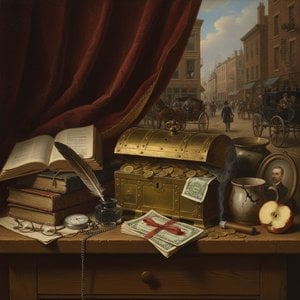
Biografija umetnika
Život oslikan svetlom: Svet Vilijama Merita Čejsa
Vilijam Merit Čejs, čije se ime nerazdvojno veže za procvat američkog impresionizma, bio je mnogo više od samo slikara; on je bio ključna figura u oblikovanju umetničkog identiteta nacije na prelazu u dvadeseti vek. Rođen 1. novembra 1849. godine u skromnom okruženju Viliburga (kasnije Nineveh), Indijana, Čejsa putovanje od ruralnih početaka do postavljanja kao proslavljenog umetnika i uticajnog pedagoga svedoči o njegovoj neumornoj predanosti i urođenom talentu. Njegov raniji život obeležila je porodična preseljenja u Indijanapolis 1861. godine, gde je prvo pomagao u poslovima svog oca. Ipak, čak i usred tih praktičnih obaveza, seme umetničke strasti je zasadjeno, negovano studijama sa lokalnim instruktorima Barton S. Hejsom i Džejkom Koksom. Ova osnova podstakla je želju za daljim istraživanjem, što ga je prvo privuklo u mornaricu pre nego što se konačno okrenuo živahnoj umetničkoj sceni Njujorka 1869. godine. Tamo, pod mentorstvom Džozefa Orijela Itona na Nacionalnoj akademiji dizajna i kasnije Lemuela Vilmarta, studenta Žan-Lion Geroma, Čejs je počeo da usavršava svoje veštine, postavljajući temelje za karijeru koja će redifinirati američko slikarstvo. Privremeni finansijski problemi naterali su ga da se preseli u Sent Luis 1870. godine, ali čak i taj izazov se pokazao plodonosnim, omogućavajući mu da se etablira unutar lokalne umetničke zajednice i dobije priznanje za njegovu sve veći talenat.
Od akademskih korena do impresionističkog sjaja
Čejsa umetnički razvoj nije bio iznenadni skok u impresionizam, već polako evoluirajući proces obavešten o rigoroznoj akademskoj obuci i opsežnim putovanjima u inostranstvu. Ključni prekretnica nastupila je sa njegovog produženog boravka u Minhenu počevši od 1872. godine, gde je studirao na Akademiji likovnih umetnosti pod Aleksandrom fon Vagnerom i Karlom fon Pilotijem. Ta period mu je utisnuo savladavanje tradicionalnih tehnika i sklonost dramatičnim kompozicijama, ali je tokom kasnijeg poseta Veneciji sa kolegama američkim umetnicima Frenkom Duvenekom i Džonom Tvaktmanom Čejs počeo da prihvata slobodniji pristup slikanju. Inspirisan svetlom i živim bojama italijanskog krajolika, počeo je da eksperimentiše sa opuštenijim potezima kista i povećanom osetljivošću na atmosferske efekte. Po povratku u Njujork 1878. godine, Čejs je u potpunosti prihvatio impresionističke principe, hvatajući prolazne trenutke modernog života sa energičnim i očaravajućim stilom. Dela poput *Keying Up – The Court Jester* (1876), izložena s velikim uspehom na Boston Art Clubu i Filadelfijskom stogodišnjem sajmu, pokazala su njegovu sposobnost da prenese pokret i ličnost kroz hrabre poteze kista i dinamičnu kompoziciju. Nastavio je da istražuje raznolike teme – zapanjujuće portrete poput Portreta Virginije Gerson, evocirajuće pejzaže kao što je *Gowanus Bay (aka Misty Day, Gowanus Bay)*, i scene koje prikazuju živahnost gradskog života, uključujući *Alice Fernandez*. Ostala značajna dela su “A Friendly Call,” “A Study in Curves,” i “Terrace at the Mall, Central Park.”
Pedagog: Oblikujući generaciju umetnika
Pored svojih postignuća kao slikara, Vilijam Merit Čejs je ostavio neizbrisiv trag u američkoj umetnosti posvećenošću predavanju. Prepoznajući potrebu za inovativnim obrazovanjem u oblasti umetnosti, osnovao je Chase School u Njujorku 1896. godine, koja se kasnije razvila u Parsons The New School for Design. Ova institucija postala je inkubator umetničkog talenta, naglašavajući direktnu posmatranost, tehničku veštinu i kreativno eksperimentisanje. Za razliku od mnogih svojih savremenika koji su preferirali rigidnu akademsku instruciju, Čejs je ohrabrivao svoje učenike da razvijaju sopstvene glasove i istražuju raznolike stilove. Imao je pozicije predavača na Pensilvanijskoj akademiji likovnih umetnosti, Art Students League i Brooklyn Art Association, šireći svoju umetničku filozofiju daleko i široko. Njegov uticaj se protezao na mnoge umetnike, uključujući Wayman Elbridge Adams, koji je otvoreno priznao Čejsa kao mentora. Naglasak na slikanju na otvorenom – direktno sa prirode – postao je kamen temeljac njegovog pedagoškog pristupa, negujući dublju vezu između učenika i njihovih predmeta.
Zasluga i istorijski značaj
Čejsa mesto u istorji američke umetnosti je sigurno. On je prevazišao jaz između uspostavljenih akademskih tradicija i procvetavajućeg impresionističkog pokreta, značajno doprinoseći razvoju izrazito američkog umetničkog identiteta. Njegova posvećenost hvatanju suštine modernog života – živahnih gradskih pejzaža, intimnih domaćih enterijera i bezbrižnih zabava svog vremena – rezonirala je sa publikom koja je žudela za novim vizuelnim jezikom. Iako su njegovi kasniji dani doživeli privremenu ekspanziju u kritičkom priznanju, njegova dela su doživele oživljavanje u poslednjih nekoliko decenija, čime je učvršćena reputacija jednog od najvažnijih i uticajnijih američkih umetnika. On nije samo dokumentovao scene; interpretirao je duh zemlje u nastajanju kroz živopisnu leću impresionizma. Njegova zaostavština se proteže izvan platna na bezbrojne umetnike koje je inspirisao, osiguravajući da njegov inovativni pristup slikanju i dalje oblikuje pejzaž američke umetnosti za generacije koje dolaze.



 Pregledaj u prostoru
 Pređi na prodaju štampanih primeraka
 Podeli
 Podeli
 Detalji
 Vodič
Vodič

 Preuzmi sliku
 Slični predmeti
 Rendgenski snimak
 Automatska prezentacija
 Statistika


 Pročitaj više






































 Opcija sa staklom dostupna je samo za dimenzije manje od 110 cm