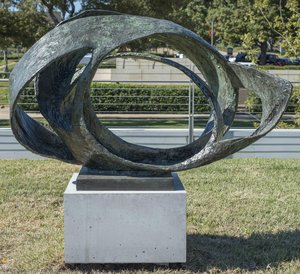
Umetničko delo prikazano na ovoj stranici zaštićeno je autorskim pravima, što znači da zakonski nismo u mogućnosti da kreiramo niti prodajemo identičnu reprodukciju. Ova zaštita se sprovodi u skladu sa međunarodnim sporazumima kao što su Bernska konvencija i nacionalnim zakonima, uključujući i one koji su definisani u Američki zakon o autorskom pravu – Naslov 17.
Ovaj metod je u potpunosti usklađen sa regulativama o autorskim pravima jer ne podrazumeva kopiranje ili dupliranje zaštićenih umetničkih dela. Umesto toga, reč je o kreativnoj reinterpretaciji – novom slikarskom delu koje je inspirisano originalom, ali nije identično njemu.
Giclée štampa ili print na platnu muzejskog kvaliteta uz brzu izradu i raznovrsne opcije završne obrade. ( Kupite ručno oslikano delo Pređi na digitalnu sliku)
Izaberite jednu od naših unapred definisanih veličina koje odgovaraju originalnim proporcijama umetničkog dela.

Unesite željenu širinu i visinu kako bi se štampa uklopila u vaš ram ili zid. Štampu je moguće samo iseći, ali nikada povećati iznad dimenzija originalne slike, stoga format sa drugačijim proporcijama uzrokuje gubitak dela slike. Pre početka štampe, poslaćemo vam digitalni prikaz radi potvrde. Slika prikazana na ovoj stranici ne predstavlja stvarni isrez — to pokazuje samo digitalni prikaz.
Dostava širom sveta () za 2 nedelje umesto uobičajenih 4/5 nedelja. (10 новембар)
Figure lying on its side (Version V)
Dimenzije reprodukcije
William Kenneth Armitage’s “Figure Lying on Its Side (Version V)” isn’t merely a sculpture; it’s a distilled essence of human experience, rendered in the cool, enduring solidity of bronze. Completed in 1957, this piece stands as a pivotal work within Armitage's oeuvre, embodying his signature style – a deliberate simplification of the human form coupled with an underlying current of unease and existential questioning. The sculpture immediately commands attention not through overt drama, but through its quiet intensity; it’s a study in restraint, inviting prolonged contemplation rather than immediate judgment.
Armitage, emerging from the austerity of post-war Britain, was deeply influenced by the anxieties of his time. His work reflects this, eschewing traditional heroic representations and instead focusing on the vulnerability inherent within the human condition. The figure itself is remarkably ambiguous – neither definitively male nor female, young nor old – existing in a state of suspended animation, caught between repose and imminent movement. This deliberate lack of specificity allows viewers to project their own emotions and experiences onto the sculpture, fostering a deeply personal connection.
Armitage's style is often described as “Geometry of Fear,” a term coined by critics to capture the way he employed sharp angles and fragmented forms to convey a sense of disorientation and psychological tension. “Figure Lying on Its Side” exemplifies this perfectly. The figure’s limbs are elongated, almost skeletal, creating a feeling of precariousness and vulnerability. The subtle curve of the torso is countered by the rigid lines of the chair-like structure attached to its side – an element that simultaneously grounds the sculpture and reinforces its sense of confinement. The bronze itself, chosen for its durability and ability to capture minute details, contributes significantly to the work’s impact; it possesses a tactile quality that invites touch while simultaneously conveying a sense of permanence.
Interestingly, Armitage drew inspiration from ancient art forms, particularly Cycladic sculpture – the enigmatic, abstract figures found on the Greek islands. These primitive forms, devoid of narrative and imbued with an almost ritualistic quality, resonate within Armitage’s work, suggesting a connection to primal human emotions and beliefs. The deliberate simplification of the figure echoes this ancient aesthetic, stripping away extraneous detail to reveal the core essence of form.
The chair-like appendage attached to the figure’s side is particularly intriguing. It can be interpreted as a symbol of societal constraints, representing the pressures and expectations that shape our lives. Alternatively, it might suggest a yearning for connection or support – a desire to anchor oneself in a world often characterized by isolation. The figure's prone position further reinforces this sense of vulnerability, suggesting a state of surrender or perhaps even resignation.
Furthermore, the sculpture’s monochrome palette—a stark contrast against the warm tones of bronze—heightens its emotional impact. The absence of color forces viewers to focus on the form itself, intensifying the feeling of unease and prompting deeper reflection. The work is not about depicting a specific narrative; instead, it invites us to confront our own anxieties and uncertainties.
“Figure Lying on Its Side (Version V)” remains a powerful testament to Armitage’s artistic vision – a poignant exploration of the human condition rendered in bronze. It's a work that rewards repeated viewing, revealing new layers of meaning with each encounter. Reproductions of this sculpture offer an accessible way to experience its profound emotional resonance, bringing its quiet intensity into homes and galleries alike. Its enduring appeal lies not in grand gestures or dramatic displays, but in its ability to capture the subtle complexities of human existence – a reminder that even in moments of vulnerability, there is beauty and significance to be found.
Ručno oslikane kopije dela „Figure lying on its side (Version V)”, autor William Kenneth Armitage mogu se kupiti na stranici ovaj sajt: ručno oslikana uljana reprodukcija na lanenom platnu, putem njihove stranice za naručivanje reprodukcija Ručno oslikana reprodukcija ulja na platnu.
Delo "Figure lying on its side (Version V)" nastalo je 1957. godine, u okviru pokreta Geometry of Fear.
„Figure lying on its side (Version V)“ je zabeležen/a kao Recognized među delima Geometry of Fear pokreta u katalogu.


1916 - 2002 , United Kingdom

Discover the enduring allure of bronze sculptures at WahooArt.com. From classical lost-wax casting to modern metal masterpieces, explore museum-quality artworks designed to elevate luxury interiors. Expert curation, authenticity guaranteed, and worldwide shipping for discerning collectors.

Discover the enduring allure of bronze sculpture. From the intricate lost-wax process to Neoclassical masterpieces, our expert guide offers connoisseurs deep insights into evaluating patina, historical significance, and integrating metal fine art into sophisticated collections.

Discover the enduring elegance of bronze sculpture. From ancient Roman strength to Art Deco sophistication, explore our expert guide on collecting, casting techniques, and integrating timeless metal masterpieces into your fine art collection.
 Pošalji
 Podeli
 Detalji o delu
 Vodič
Vodič

 Preuzmi
 Slični predmeti
 Automatska prezentacija
 Pitanja i odgovori
 Statistika


 Pročitaj više






































 Opcija sa staklom dostupna je samo za dimenzije manje od 110 cm