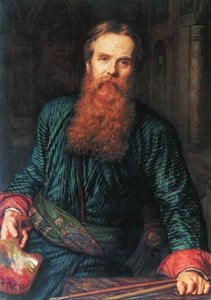
Живот посвећен Визији
Виљем Холман Хант, рођен у Чепсајду, Лондону 2. априла 1827. године, био је много више од само сликара; он је био филозофски и духовни тражилац који је претворио своја најдубља уверења на платно. Његов рани живот, иако укорењен у бурном комерцијалном свету складишта његовог оца, садржао је у себи уметничку наклоност која би на крају дефинисала његова очекивања. Првобитно предодређен за каријеру сличну очевој, Хант је пронашао утеху и сврху у уметности, почевши са тајним скицама, а касније, након одређене борбе, формалном школовању на Краљевској академији. Међутим, ово ученичко раздобље се показало ограничењима. Он је жудео за уметничким изразом који би надрастао преовладајуће академске конвенције – жеља која ће га ускоро погурати ка револуционарним променама. Осећао се сузбијено оно што је сматрао вештачком савременом уметношћу и тражио је поврат срдачности и детаља који се налази у пре-ренесансних мајстора, осећање централно за формирање Прерафаелитског братства. Хунтово путовање није било само о естетици; то је била потрага за истином, моралом и духовном резонанцом у области визуалне репрезентације.
Постанак Револуционарног Братства
Године 1848., заједно са Данте Габријелом Росетијем и Џоном Еверет Милесом, Хант је основао Прерафаелитско братство (ПРБ). Ова колектива није била само уметнички покрет; то је био бунт против онога што су видели као пад уметности од Рафаела. ПРБ се залагао за поврат прецизним детаљима, живописним бојама и искреном предмету карактеристичним за рану италијанску сликарство – пре перцепције вештачке идеализације Високе ренесансе. Хунтова посвећеност овој филозофији остала је непоколебљива током његове каријере. Рани радови попут *Пастирског чувара*, насликан 1851. године, пример су ове посвећености. Пажљив реализам слике – од текстуре оваца до сваке појединачне травине – био је револуционаран за своје време. Није то била само депикција руралног живота; то је покушај да се пренесе морално и симболично значење кроз прецизно посматрање природе. *Буђење савести*, такође из овог периода, додатно је учврстило Хунтову репутацију интензивно натуралистичких сцена прожетих психолошком дубином и моралном тежином. Ове слике нису биле само визуелно запањујуће; то су биле изјаве о веровању уметника да је уметност средство за истину и духовно буђење. Братство је покушало да изазове утврђене норме уметничке продукције, одбацујући оно што су сматрали формулаичном академском сликарством у корист директнијег и искренијег ангажовања са светом око њих.
Походошење Вере и Симболичке Дубине
Хунтово уметничко путовање претрпело је изванредну трансформацију његовим путовањима на Свети Земљу 1950-их и 60-тих година. Покренут жељом за историјском и топографском тачношћу, кренуо је на ходочашће у Палестину и Сирију, педантним документовањем пејзажа, ношње и обичаја. Ова посвећеност аутентичности дубоко је утицала на његова каснија дела, дајући им беспрецедан осећај реализма и духовног одјека. *Сенка смрти*, насликана током овог периода, стоји као моћан пример. Слика приказује сцену Христове жртве на начин који је био визуелно запањујући и дубоко симболичан, одражавајући Хунтова дубока религиозна уверења. Можда његово најпознатије дело, *Светлост света*, започето 1851. године и завршено 1853. године, оличава ову синтезу вере и уметничке вештине. Слика Христа који куца на врата, нудећи спасење онима који отворе своја срца, постала је изузетно популарна и остаје једна од најпрепознатљивијих религиозних слика викторијанске ере. Хунтова посвећеност се протезала даље од саме репрезентације; тражио је да својим делима угради слојеве симболичког значења, црпећи из библијских текстова, средњовековне алегорије и савременог друштвеног коментара. Веровао је да уметност има моралну сврху – да уздигне, инспирише и води гледаоце ка духовном просветљењу.
Трајно наслеђе и Каснији Години
Упркос губитку вида у каснијим годинама – разорног удара за сликара толико посвећеног детаљу – Хант је наставио да ствара уметност, често се ослањајући на помоћ свог асистента, Едварда Роберта Хјугеса. Објавио је аутобиографију 1905. године, пружајући непроцењиве увиде у његову уметничку филозофију и лични живот. Његова посвећеност била је призната именовањем за Орден заслуге од краља Едварда VII исте године. Хунтов лични живот био је обележен и радошћу и тугом; оженио се два пута, прво Фани Вог, која је служила као модел за неколико његових радова, а касније њену сестру Едит, након што је превазишао правну сложеност британских закона у вези са браком са сестром покојне супруге. Преминуо је 7. септембра 1910. године и одата му је почаст сахраном у катедрали Светог Павла – сведочанство његовог значајног доприноса британској уметности и култури. Наслеђе Виљема Холмана Ханта протеже се далеко изван лепоте његових слика. Он је револуционисао викторијанску уметност заговарањем реализма, симболизма и духовне дубине, оставивши неизбрисив траг на генерацијама уметника и гледалаца. Његова дела настављају да инспиришу дивљење и размишљање, подсећајући нас на моћ уметности да осветли људско стање и истражи мистерије вере.
Кључни Утицаји & Теме
- Утицаји: Списи Џона Раскина о уметности и моралу; рана ренесансна слика (пре-Рафаелит); библијски текстови и средњовековна алегорија.
- Главне Теме: Религиозна вера, морално буђење, лепота природе, друштвени коментар, симболизам. Хант је упорно истраживао теме откупљења, жрт



 Pregledaj u prostoru
 Pređi na prodaju štampanih primeraka
 Podeli
 Podeli
 Detalji
 Vodič
Vodič

 Preuzmi sliku
 Slični predmeti
 Rendgenski snimak
 Automatska prezentacija
 Statistika


 Pročitaj više