


Giclée štampa ili print na platnu muzejskog kvaliteta uz brzu proizvodnju i fleksibilne opcije završne obrade. ( Kupi ručno naslikanu sliku Kupi digitalnu sliku)





























Izaberite jednu od naših unapred definisanih veličina koje odgovaraju originalnim proporcijama umetničkog dela.

Možete uneti sopstvene dimenzije kako biste umetničko delo prilagodili specifičnom okviru ili prostoru. Ako odabrani format ne odgovara proporcijama originalne slike, mi ćemo ili iscrtati deo dela ili proširiti sliku pomoću ogledane ivice ili jednobojnog popunjavanja. Digitalni prikaz će vam biti poslat na odobrenje pre početka proizvodnje.
Imajte na umu da pregled na ekranu ne odražava stvarno iscrtavanje ili proširivanje. Samo će prikaz (mockup) precizno pokazati finalnu kompoziciju.
Iako su prilagođene dimenzije dostupne, preporučujemo da odaberete dimenziju sa unapred definisane liste kako biste očuvali originalne proporcije.
Dostava širom sveta () za 2 nedelje umesto uobičajenih 4/5 nedelja. (7 септембар)


Lame theater
Dimenzije reprodukcije
William Hogarth’s “Lame Theater,” completed around 1730, stands as a cornerstone of English Rococo satire and a remarkably astute observation of the social landscape of Georgian London. More than just a depiction of an evening performance—though it vividly captures one—the print operates on multiple levels, delivering a biting critique of morality, ambition, and the pervasive hypocrisy that characterized the era.
Hogarth’s etching technique is paramount to conveying the artwork's impact. The artist employs an extensive network of fine lines to delineate facial features, clothing folds, and architectural details with remarkable accuracy. Simultaneously, thicker lines define structural elements like doorways and walls, establishing depth and creating a sense of spatial realism. This meticulous linework isn’t merely decorative; it actively contributes to the textural qualities of the print—densely hatched areas represent shadows and darker tones, while sparser regions depict illuminated surfaces.
"Lame Theater" transcends its immediate subject matter to resonate with viewers on a deeper emotional level. Hogarth’s unflinching gaze captures the moral decay of his time—a theme that continues to fascinate audiences today. Considered by many critics as one of Hogarth's finest achievements, it exemplifies the artist's commitment to portraying human nature with honesty and wit—a legacy that cemented his place as a pioneer of English satire and profoundly influenced subsequent generations of artists.
The artwork’s creation involved several crucial steps. Initially, Hogarth created a copper plate using etching tools, meticulously transferring the image onto its surface. Subsequently, ink was applied to the plate, followed by printing onto paper—a process that ensured the reproduction of the original print's tonal qualities and textural nuances.


1697 - 1764 , Велика Британија

Explore the satirical world of William Hogarth, pioneering British painter & engraver. Discover his iconic works like *A Rake's Progress* and insightful social commentary on 18th-century London life.
Journey through art history with our Top 10 Legendary Engravings! Explore masterpieces by Dürer, Rembrandt & Goya. Discover the stories behind these iconic prints and find museum-quality reproductions for your home at WahooArt.com.
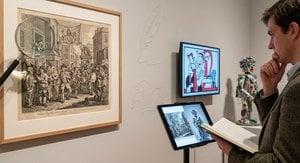
Explore the history of satire in art! From Hogarth's London to contemporary critique, discover how artists use wit & visual power to reflect and challenge society. Expert insights at WahooArt.

Explore the rich history of engraving with WahooArt. Discover techniques, iconic artists like Dürer & Callot, collecting tips, and expert guidance for preserving your art investment. Learn about intaglio printing & more!

Откријте барокну драму и унесите величину у ваш ентеријер! WahooArt нуди ручно насликане репродукције, персонализоване портрете и стручне консултације за љубитеље класичне уметности. Потражите савршено дело већ данас!

 Pregledaj u prostoru
 Pošalji
 Podeli
 Detalji o delu

 Преузми
 Slični predmeti
 Rendgenski snimak
 Slajdovi
 Pročitaj više







 Opcija sa staklom dostupna je samo za dimenzije manje od 110 cm


