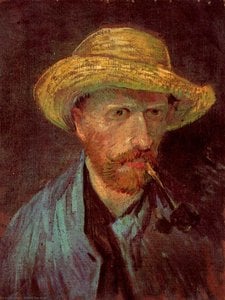
Život ispunjen strastima: Vincent van Gogh
Vincent Willem van Gogh, čije se ime nerazdvojno veže uz živopisne boje i golemu emotivnost, ostaje jedna od najprepoznatljivijih i najomiljenijih figura u istoriji umetnosti. Rođen 30. marta 1853. godine u Zunderu, Holandiji, njegov put od neuspešnog mladića koji je tražio smisao do umetničkog vizionara priča je o posvećenosti, borbi i trajnom nasleđu. Iako nije postigao komercijalni uspeh tokom svog života – prodao je samo jednu sliku, *Crvenu vinogradu*, pre smrti – njegov uticaj na modernu umetnost je neizmeran, otvarajući put ekspresionizmu i inspirisavši brojne umetnike koji su ga sledili. Njegova priča nije samo o potezima kista i platnima; ona je svedoštvo moći ljudskog izraza u suočavanju sa teškoćama.
Rane godine i umetnički polet
Van Goghov raniji život bio je obeležen nizom neostvarenih ambicija. Pokušao je različite profesije – kao trgovac umetninama, učitelj, pa čak i misionar – pre nego što se konačno posvetio slikanju relativno kasno, sa 27 godina. Ta ranija iskustva duboko su oblikovala njegov pogled na svet i odrazila su se u njegovoj umetnosti. Njegovi prvi radovi, koji prikazuju scene seljačkog života u ruralnoj Belgiji, odražavaju duboku empatiju prema radničkoj klasi i sombernu paletu koja odslikava njihove tegobe. Pod uticajem umetnika poput Žan-Fransoa Mijea, Van Gogh je nastojao da uhvati dostojanstvo i otpornost tih pojedinaca kroz oštar realizam. Međutim, njegov preseljenje u Pariz 1886. godine se pokazalo transformativnim. Tamo je upoznao impresionizam i postimpresionizam, usvajajući tehnike majstora poput Moneta, Renoara i Pisara. Ta izloženost proširila je njegove umetničke horizonte, navodeći ga da eksperimentiše sa življim bojama i slobodnijim potezima kista, zadržavajući istovremeno osebujan emotivni intenzitet koji je bio odsustvo kod mnogih njegovih savremenika. Njegov brat Teo, trgovac umetninama, igrao je ključnu ulogu tokom ovog perioda, pružajući finansijsku podršku i delujući kao vitalna veza sa parižanskom umetničkom scenom. Njihova opsežna korespondencija pruža neprocenjive uvide u Van Goghov umetnički razvoj i lične borbe.
Južno svetlo i eksplozivna kreativnost
Tražeći živopisniji krajolik i osećaj obnove, Van Gogh se preselio u Arl na jugu Francuske 1888. godine. Ovaj potez označio je period intenzivne stvaralačke produkcije, karakterisan eksplozijom boja i izrazitom tehnikom impasta – nanošenjem boje debelo na platno, stvarajući teksturiranu površinu koja pulsira energijom. Upravo ovde je stvorio neka od svojih najpoznatijih dela: *Sunflowers*, *Noćni kafe*, i *Zvezdana noć*. Intenzivna provansalska svetlost činila se da je zapalila njegovu maštu, navodeći ga da prikazuje pejzaže i mrtve prirode sa neviđenom živahnošću. Njegova želja za umetničkom saradnjom dovela ga je do toga da pozove Pola Gauguina da mu se pridruži u Arlu, nadajući se da će uspostaviti utopijsku koloniju umetnika. Međutim, njihov odnos je bio buran, što je kulminiralo dramatičnim sukobom koji je rezultirao tim što je Van Gogh mutilovao svoje uvo. Ovaj događaj naglasio je krhkost njegovog mentalnog stanja i označio početak perioda institucionalizacije i sve većih psiholoških tegoba.
Kasnije godine i trajni uticaj
Nakon sloma, Van Gogh se dobrovoljno uneo u azil u Sent-Remi, gde je nastavio da slika izuzetno produktivno, hvatajući okolne pejzaže sa lepotom i turbulencijom. Dela poput *Zvezdane noći*, naslikana tokom ovog perioda, ispunjena su osećajem kosmičke čudešnosti i duboke emotivne dubine. Kasnije se preselio u Ovr-sir-Uaz pod paskom dr Pol Gacheta, ali su njegove borbe nastavile. 29. jula 1890. godine, Van Gogh je tragično umro od posledica samoubistva pucanjem iz pištolja u dobi od 37 godina. Iako nije postigao priznanje tokom svog života, njegova dela su počela da dobijaju posthumno priznanje zahvaljujući prvenstveno neumornim naporima njegove svekrve Johane van Gogh-Bonger, koja je nasledila njegovu imovinu i posvetila se promovisanju njegove umetnosti. Danas se Van Gogova dela slave širom sveta zbog emotivne intenzivnosti, inovativnih tehnika i trajnog lepote. Njegovo nasleđe se proteže daleko izvan platna; on je postao simbol umetničke strasti, upornosti pred teškoćama i moći umetnosti da izrazi najdublje ljudske emocije.
Ključni uticaji i umetnički razvoj
- Rani realizam: Prikazi seljačkog života Žan-Fransoa Mijea uticali su na Van Goghovu ranu dela.
- Impresionizam & Postimpresionizam: Izloženost Monetu, Renoaru, Pissaru i drugima u Parizu proširila je njegovu paletu i tehniku.
- Japanska štamparija: Van Gogha su duboko uticali japanski drvorezi, koje je strastveno prikupljao. Njihove jake kompozicije i ravni planovi boja uticali su na njegov stil.
- Emocionalno izražavanje: Pre svega, Van Gogh je nastojao da prenese emociju kroz svoju umetnost, prioritet dajući subjektivnom iskustvu nad objektivnim predstavljanjem. Ovaj fokus na emotivnu intenzitet postao je definisujuća karakteristika njegovog rada i utro je put ekspresionizmu.



 Pregledaj u prostoru
 Naručite ručno oslikano reprodukciju
 Podeli
 Podeli
 Detalji
 Vodič
Vodič

 Preuzmi sliku
 Slični predmeti
 Rendgenski snimak
 Automatska prezentacija
 Statistika

 Pročitaj više






































 Opcija sa staklom dostupna je samo za dimenzije manje od 110 cm