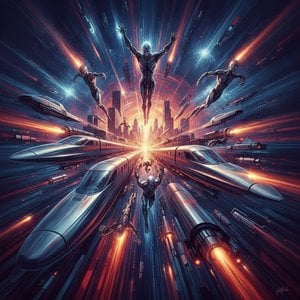
Umberto Boccioni: Vizionarizam Pokreta i Dinamika Modernog Sveta
Umberto Boccioni, rođen u Reggio Calabrii 1882. godine, bio je centralna figura italijanskog futurističkog pokreta – sile koja je težila da uništi umetničke konvencije i prihvata dinamiku modernog sveta. Njegov život, iako tragično prekratak u samo trideset tri leta, postao je svedočanstvo ove strastvene vere u napredak, brzinu i opijenu energiju doba mašina. Boccionijeve rane godine bile su obeležene stalnim preseljenjima zbog službenog položaja njegovog oca, odrastanje koje ga je izložilo raznolikim pejzažima i u njemu probudilo nemirnog duha. Ovaj nomadski život na kraju ga je doveo u Rim, gde je prvo nastavio studije dekorativnih umetnosti pre nego što se okrenuo slikarstvu, upijajući uticaje iz stilova postera Liberty tog vremena. Međutim, susret sa futurizmom, potaknut pisanjem Filippa Tommasa Marinettija, zaista je zapalio njegovu umetničku putanju.
Od Pokreta ka Revoluciji: Uspon Futuriste
Godina 1910. se pokazala ključnom za Boccionija. Potpisao je *Manifesto dei Pittori Futuristi*, učvršćujući svoju posvećenost pokretu koji je slavio tehnologiju, brzinu i čak nasilje kao simbole modernosti. To nije bila samo estetski izbor; to je bio filozofski bunt protiv tereta tradicije, želja da se uhvati suština sveta koji juri ka neizvesnoj budućnosti. Boccioni je ubrzo postao jedan od najjasnijih teoretičara futurizma, razvijajući Marinettijeva prva saopštenja i primenjujući ih na vizuelne umetnosti. On je tvrdio da je potreban potpuni raskorak sa reprezentativnom preciznošću, zagovarajući umesto toga slike koje prenose ne samo *kako* stvari izgledaju, već i *kako* se osećaju u pokretu – senzaciju brzine, fragmentaciju oblika, preovlađujuću energiju gradskog života. Njegovi raniji radovi, iako još uvek nagoveštavaju uticaje impresionizma i divisionizma, počeli su da pokazuju ovu sve veći opsesiju dinamikom. Slike poput *Grad se diže* (1910-1911) monumentalne su po obimu i ambicioznosti, prikazujući haotičnu izgradnju moderne metropole – vrtlog ljudskih figura, zgrada i mašina koji utelovljuje futuristički ideal.
Dekonstrukcija Realnosti: Tehnika i Tematika
Boccionijev umetnički razvoj karakterisao je sve radikalniji pristup obliku. Odmakao je od tradicionalnih poimanja perspektive i kompozicije, prihvatajući fragmentaciju kao sredstvo za prenošenje pokreta i energije. Objekti su razbijeni na njihove sastavne delove, linije sile zrače napolje, a boje se mešaju u vrtložne obrasce – sve je dizajnirano da stvori osećaj vizuelne vibracije. Ova dekonstrukcija nije bila samo stilski; ona je bila ukorenjena u Boccionijevoj veri da je sama stvarnost fluidna i u stalnoj promeni. On je nastojao da predstavlja ne statičan izgled stvari, već njihovu dinamičku suštinu. Ključne teme se pojavljuju kroz njegov opus: dinamika, slavljenje modernosti i fascinacija ljudskim telom kao nosiocem energije i pokreta. Ovo je snažno ilustrovano u delima poput *Dinamizam ljudskog tela* (1913), gde figura nije prikazana kao čvrst oblik, već kao niz fragmentiranih oblika koji sugerišu kretanje kroz prostor. Možda njegovo najpoznatije stvaralaštvo, *Jedinstveni oblici kontinuiteta u prostoru* (1913), prevazilazi slikarstvo – bronzana skulptura koja utelovljuje futuristički ideal sa zastrašujućom snagom. Figura izgleda kao da je uhvaćena u sred kretanja, njene ruke i torzo su izduženi i iskrivljeni, prenoseći osećaj nezaustavljive brzine.
Nasleđe i Trajni Uticaj
Boccionijeva tragična smrt 1916. godine, tokom Prvog svetskog rata, lišila je umetnički svet zaista vizionarskog talenta. Međutim, njegove ideje i dela nastavili su da rezonuju dugo nakon njegove smrti. On je duboko uticao ne samo na sledeće futurističke umetnike, već i na pokrete poput konstruktivizma i apstraktnog ekspresionizma. Njegovo istraživanje pokreta, dinamike i predstavljanja modernog života postavilo je temelje za nove oblike umetničkog izraza, izazivajući tradicionalna poimanja lepote i reprezentacije.
- Uticaji: Divisionističke tehnike Jakoba Balle, fragmentacija oblika u Kubizmu i filozofska pisma Ničea.
- Značajna dela: *Dinamizam ljudskog tela*, *Jedinstveni oblici kontinuiteta u prostoru*, *Grad se diže*, *Dinamizam bicikliste*.
- Istorijski značaj: Ključna figura u 20. veku, Boccioni je izazvao umetničke konvencije i pomogao oblikovati tok moderne umetnosti. Njegove teorije o dinamici i predstavljanju pokreta nastavljaju da inspirišu umetnike danas.
Umberto Boccioni ostaje snažan simbol umetničke inovacije – svedočanstvo moći prihvatanja promena i izazivanja status quo-a. On nije bio samo umetnik; on je bio prorok modernosti, uhvativši duh sveta na pragu transformacije i iza sebe ostavio nasleđe koje nastavlja da rezonira kroz umetnički svet danas.
Njegovo delo nije samo o prikazivanju pokreta; ono je o njegovom utelovljenju.



 Pregledaj u prostoru
 Kupi ručno naslikanu sliku
 Pošalji
 Podeli
 Detalji o delu

 Преузми
 Slični predmeti
 Rendgenski snimak
 Slajdovi
 Statistika

 Pročitaj više






































 Opcija sa staklom dostupna je samo za dimenzije manje od 110 cm