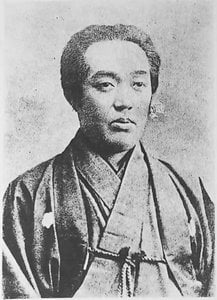
Жасан Цукиока: Последњи Велики Мајстор Укијо-е
Жасан Цукиока (1839-1892), чије је рођено име било Оварија Јонеџиро, представља монументалну фигуру у историји јапанске уметности. Широко га славе као последњег великог мајстора *укијо-е*, традиционалног жанра дрвореза и штампе који означава „свет летећих ствари”, али је дефинисати га само тим називом недовољно. Жасан није био само чувар традиције; он је био иноватор, визуелни приповедач који се храбро суочавао са немилосном духом Јапана у ери драматичних трансформација. Његов живот одвијао се на позадини друштвене буре – залазак Токугава шогуната, Рестаурација Мејџи и брз прилив западних идеја – све то је дубоко обликовало његову уметничку визију. Потекавши од скромног почетка као син трговца који је купио статус самураја, Жасанов пут га је довео до учеништва код Утагава Кунијошија, мајстора чији ће утицај бити неизбрисив. Овај кључни период у његовом животу усадио му је не само техничке вештине, већ и дубоко разумевање наратива и динамичне композиције.
Од учеништва до уметничке независности
Жасанове ране године биле су испуњене строгом дисциплином *укијо-е* обуке под Кунијошијем. Он је апсорбирао технике свог мајстора, усвршавајући цртеж и учећи како преводити приче у убедљиве визуелне форме. Међутим, Жасан је већ тада почео да се обликује као уметник властитом путемом. Иако је прво радио у оквиру утврђених конвенција, ускоро је показао спремност да прелази границе, посебно у својим приказима насиља и смрти. Ове нису биле бесмислене демонстрације, већ одражавања епохалне нерегуларности и личних трагедија – губитак његовог оца и Кунијошија дубоко су утицали на његов уметнички правац. Средином 1860-их, Жасан је стекао признање за оно што је постало познато као његове „крваве штампе”, серије карактерисане графичком сликама и драматичном интензивношћу. Серије попут *Ејмеи нијухасаку* (Дваесет осам чувених убистава са стиховима) шокирале су и заплениле публику, приказујући сцене бруталних убистава рендериране са задивљујућом реалистичношћу. Ова спремност да се суочи са тамним темама издвајала га од многих његових савременика. Експериментисао је са различитим серијама и темама, укључујући популарну *Цузоку Сајјуки* („Модерно путовање на Запад”) и *Вакан хијаку моногатари* („Сто прича из Кине и Јапана”), демонстрирајући свестраност која је додатно учврстила његов углед.
Иновације у свету у промени
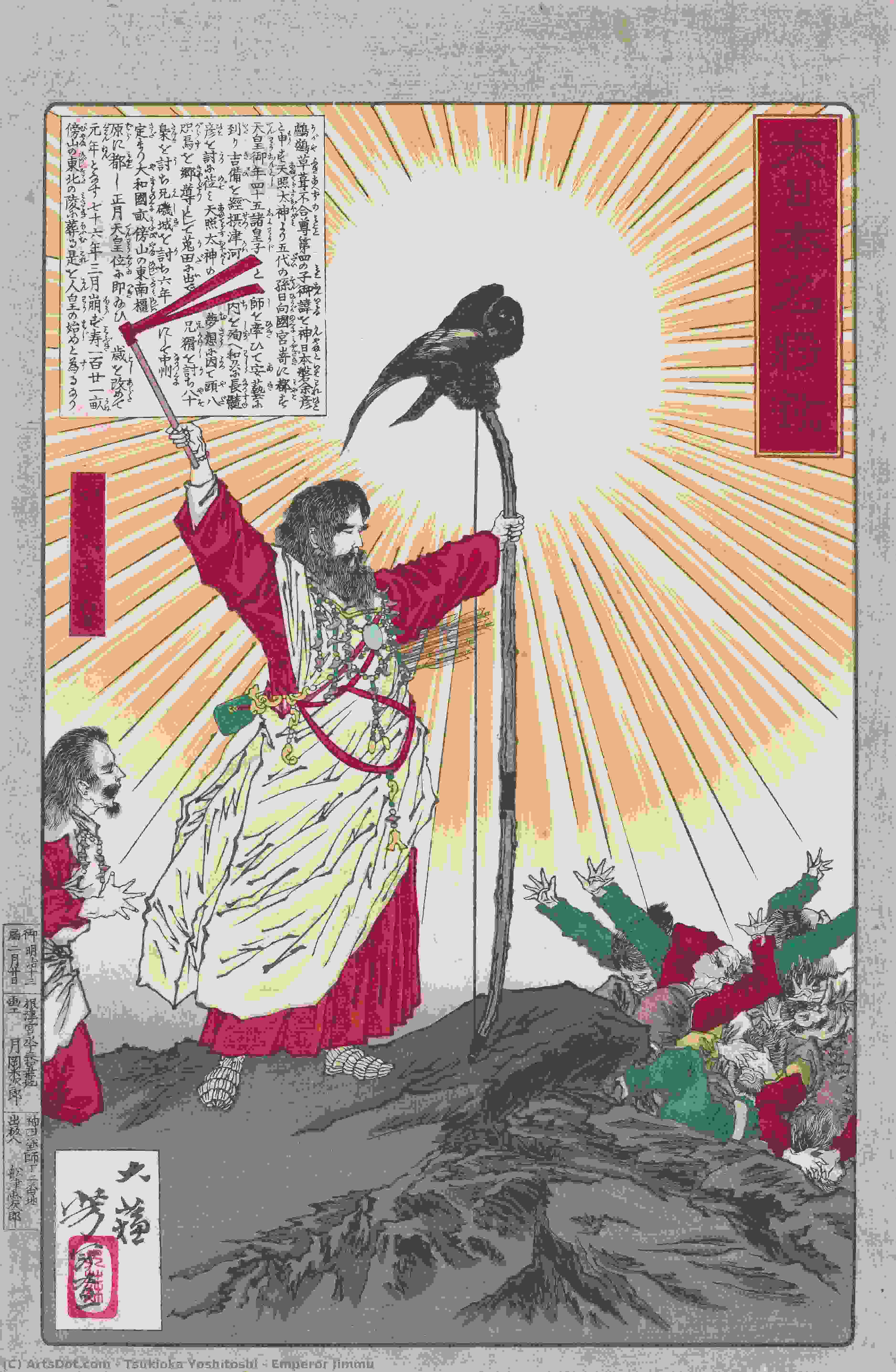
Жасанов геније лежео је не само у његовим темама, већ и у уметничкој техници. Мајсторски је спојио традиционалну јапанску естетику са западним утицајима, укључујући елементе перспективе и композиције које је добио од увезених штампа и гравура. Ово спајање створило је јединствен језик који је био истовремено изразито јапански и запањујуће модеран. Док је Јапан прихватио модернизацију, нове технологије као што су фотографија и литографија угрожавале саме постојање *укијо-е*. Жасан је препознао овај изазов и одговорио на то подижући своју занатлијску вештину на невиђену уметничку висину. Експериментисао је са палетама боја, усвршавао технике резбарења и гурао границе наративног приповедања у оквиру дрворезачког медија. Његова серија *Муша Бури* (Војничке штампе) оличава ову посвећеност – свака штампа динамичан екплозија акције и емоција, која приказује његову вештину у приказивању херојских фигура и драматичних битака. Разumeo je da *укијо-е* мора да се развија како би опстао, а он је посветио себе обезбеђивању његовог наставка релевантности.
Наслеђе и трајан утицај
Упркос бројним изазовима – финансијским тешкоћама, личним борбама и опадању традиционалних уметничких форми – Жасан је остао непоколебљив у својој посвећености *укијо-е*. Немилосрдно је радио до смрти 1892. године, остављајући за собом огромну колекцију дела која и даље изазивају восхић и дивљење. Иако се расправља о његовом директном утицају на касније генерације јапанских уметника, несумњиво је његово историјско значење. Жасан стоји као последњи велики мајстор *укијо-е*, кључна фигура која је чувала и уздизала уметничку форму током периода дубоких промена. Његова храброст, визија и непоколебљива посвећеност осигурали су да се дух „света летећих ствари” очува за генерације које долазе. Данас се његове штампе славе у музејима и колекцијама широм света, сведочећи о његовом трајном уметничком наслеђу.
Један последњи поглед: Жасанов трајан утицај
- Чување традиције: У брзо модернизираном Јапану, Жасан је заговарао традиционалне технике дрвореза.
- Уметничка иновација: Безусловно је спојио јапанску естетику са западним утицајима, стварајући јединствен и динамичан стил.
- Наративна моћ: Његове штампе су познате по свом задивљујућем приповедању и драматичној интензивности.
- Историјска документација: Жасанови радови пружају драгоцена упутства у друштвени, политички и културни пејзаж 19. века у Јапану.
- Сведочанство о његовом трајном наслеђу је континуирано цењење за његову уметност колекционара и љубитеља уметности широм света.


 Pregledaj u prostoru
 Naručite ručno oslikano reprodukciju
 Podeli
 Podeli
 Detalji
 Vodič
Vodič

 Preuzmi sliku
 Slični predmeti
 Rendgenski snimak
 Automatska prezentacija
 Statistika
 Pročitaj više






































 Opcija sa staklom dostupna je samo za dimenzije manje od 110 cm