Giclée štampa ili print na platnu muzejskog kvaliteta uz brzu izradu i raznovrsne opcije završne obrade. ( Kupite ručno oslikano delo Pređi na digitalnu sliku)





























Izaberite jednu od naših unapred definisanih veličina koje odgovaraju originalnim proporcijama umetničkog dela.

Unesite željenu širinu i visinu kako bi se štampa uklopila u vaš ram ili zid. Štampu je moguće samo iseći, ali nikada povećati iznad dimenzija originalne slike, stoga format sa drugačijim proporcijama uzrokuje gubitak dela slike. Pre početka štampe, poslaćemo vam digitalni prikaz radi potvrde. Slika prikazana na ovoj stranici ne predstavlja stvarni isrez — to pokazuje samo digitalni prikaz.
Dostava širom sveta () za 2 nedelje umesto uobičajenih 4/5 nedelja. (10 новембар)
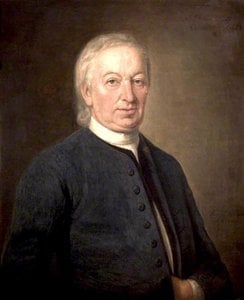
Captain Peter Marriette, Ship's Captain
Dimenzije reprodukcije
In the quiet dignity of Tilly Kettle’s 1769 masterpiece, Captain Peter Marriette, Ship's Captain, we encounter more than just a likeness; we step into the very heart of Enlightenment-era Britain. This striking oil painting serves as a profound window into an age defined by maritime expansion and the burgeoning influence of the East India Company. Through Kettle’s masterful hand, the subject is not merely recorded but elevated, embodying the steadfastness and social ambition that characterized the era. As the viewer engages with the portrait, there is an immediate sense of meeting a man of consequence—a figure whose very presence commands respect through a composed, thoughtful stillness.
The composition is a triumph of Neoclassical restraint. Eschewing the flamboyant distractions of the preceding Rococo period, Kettle employs a focused, one-point perspective that directs all attention toward Marriette’s countenance. Seated in profile against a muted, unobtrusive backdrop, the Captain becomes the singular protagonist of his own story. The artist utilizes the vertical space of the canvas to emphasize the subject's stature, ensuring that the viewer's gaze is drawn upward to the subtle nuances of his expression. It is a deliberate arrangement designed to foster a sense of solemn contemplation, inviting us to wonder about the many voyages and heavy responsibilities etched into the lines of his face.
Technically, the painting is a testament to the precision of 18th-century oil portraiture. Kettle’s brushwork is remarkably smooth, creating a polished surface that allows light to dance across the textures of the subject's attire. There is a palpable sense of volume in the rendering of Marriette’s clothing; the heavy fabric of his coat feels substantial, almost tactile, thanks to the meticulous application of shadow and highlight. This realism extends to the delicate textures of his hair and the fine details of his skin, where the artist captures the grace of aging with profound sensitivity.
The color palette is deeply symbolic, woven with a narrative of status and duty. The dominance of deep blues evokes the vastness of the oceans Marriette navigated, suggesting maritime authority, reliability, and a steadfast spirit. These cool tones are balanced by crisp whites, which lend an air of nobility and purity to the composition. To complete this visual language of prestige, Kettle incorporates subtle accents of gold trim along the Captain's coat. This glint of precious metal serves as a quiet but powerful reminder of his elevated social standing and the wealth brought by the era's global trade. For the discerning collector or interior designer, these colors offer a sophisticated palette that brings a sense of historical weight and classical elegance to any curated space.
Beyond its historical significance, Captain Peter Marriette possesses an emotional resonance that transcends the centuries. It is a piece that speaks of legacy, duty, and the quiet strength found in leadership. The soft, diffused lighting creates an atmosphere of intimacy, making the encounter with the subject feel personal rather than distant. This artwork does not merely decorate a room; it anchors it, providing a focal point of intellectual and aesthetic depth.
For those seeking to incorporate a piece of British art history into their homes or galleries, a high-quality reproduction of this work offers an unparalleled opportunity. It brings the spirit of the 1760s—an era of discovery and refined order—into a contemporary setting. Whether placed in a study, a formal dining room, or a sophisticated lounge, Kettle’s portrait serves as a timeless conversation piece, inspiring admiration for the craftsmanship of the past and the enduring allure of the Neoclassical tradition.
Radovi slični delu „Captain Peter Marriette, Ship's Captain“ možete pronaći na stranici Slična dela ovog umetničkog dela.
„Captain Peter Marriette, Ship's Captain”, autor Tili Ketel ima luminancu od Soft Shadow. Luminanca opisuje koliko se čini da boje reflektuju svetlosti.
Ručno oslikane kopije dela „Captain Peter Marriette, Ship's Captain”, autor Tili Ketel mogu se kupiti na stranici ovaj sajt: ručno oslikana uljana reprodukcija na lanenom platnu, putem njihove stranice za naručivanje reprodukcija Ručno oslikana reprodukcija ulja na platnu.

Tili Ket (1735–1786) predstavlja jedinstvenu figuru u britanskoj istoriji umetnosti—prvog istaknutog engleskog portretistu koji je uspešno izgradio svoje ime unutar živopisnog kulturnog pejzaža Indije, tokom zenita dominacije Istočnoindijske kompanije. Rođen u Londonu, kao sin slikara kočija iz porodice čiji je tradiciju pivarstva negovala pet decenija, Ketov umetnički put započeo je osnovnim obukama pod vođstvom Vilijama Šiplija u Strandu. Ovo rano učenje postavilo ga je unutar bujnog umetničkog okruženja, koje je žudelo da istražuje nove horizonte izvan tradicionalnih granica engleskog seoskog pejzaza.
Njegov profesionalni ulazak u svet portretistike počeo je 1750-ih godina, brzo stičući priznanje zahvaljujući sposobnosti da s izuzetnom preciznošću i osetljivošću zabeleži sličnosti. Ketova rana platna—prvenstveno autoportreti iz 1ente 1760. godine—odmah su nagovestili njegovu ambiciju i učvrstili ga kao usponski talenat unutar Društva umetnika, osnovanog 1761. godine. Ova početna izložba učvrstila je njegov položaj među kolegama umetnicima koji su težili priznanju i podstakla ga ka značajnijim porudžbinama. Njegova rana karijera bila je obeležena prefinjenom sposobnošću da dokumentuje dostojanstvo i status svojih modela, što se naročito ogledalo u njegovom radu sa članovima porodice Dartmut.
Izvan granica Engleske, Ketovo nasleđe definiše njegova izuzetna ekspedicija iz 1768. godine. Putujući zajedno sa Istočnoindijskom kompanijom, pristao je u Madrasu, što je bilo iskustvo koje će duboko transformisati njegovu umetničku viziju i tematski fokus. Ovaj period omogućio mu je da premosti dva sveta, spajajući evropske neoklasične tehnike sa egzotikom i veličinom indijskog potkontinenta. Njegovo delo iz ove ere služi kao vitalni istorijski zapis, beležeći složene preseke britanskog kolonijalnog prisustva i lokalnog indijskog života.
Ketova tehnika bila je karakterisana izvanrednim realizmom i sposobnošću da dočaraju kako teksture raskošnih tkanina, tako i suptilne nijanse ljudskih emocija. Njegov repertoar obuhvata širok spektar subjekata, od aristokratske elegancije džordžijanske Engleske do moćnih figura pod uticajem Istočnoindijske kompanije u Indiji. Neki od njegovih najznačajnijih doprinosa svetu umetnosti uključuju:
Kroz ova dela, Ket je uradio mnogo više od običnog beleženja lica; on je uhvatio samu suštinu ere definisane širenjem, trgovinom i susretom različitih kultura. Njegova sposobnost da prilagodi svoj stil kako formalnim zahtevima britanske portretistike, tako i živopisnom, često preplavljujućem, senzornom pejzažu Indije, osigurava mu neprolazno mesto u annalsima istorije umetnosti.

1735 - 1786 , Ujedinjeno Kraljevstvo

Explore the refined world of Neoclassical portraiture. Discover the mastery of line, light, and order through an expert exploration of academic art history, from Jacques-Louis David to Jean-Antoine Houdon. Immerse yourself in the timeless elegance of classical realism.

Explore the profound elegance of Neoclassical art. Discover the principles of order, symmetry, and virtue through the works of masters like David and Mengs. Immerse yourself in a journey of classical grace and timeless aesthetic perfection.
 Pregledaj u prostoru
 Pošalji
 Podeli
 Detalji o delu
 Vodič
Vodič

 Preuzmi
 Slični predmeti
 Rendgenski snimak
 Automatska prezentacija
 Pitanja i odgovori
 Statistika


 Pročitaj više









 Opcija sa staklom dostupna je samo za dimenzije manje od 110 cm