Pregledaj u prostoru Isprobaj u AR-u Naručite ručno oslikano reprodukciju Pređi na prodaju digitalnih slika Podeli
Detalji Vodič Dodaj u omiljene Preuzmi sliku Slični predmeti Rendgenski snimak Automatska prezentacija Statistika

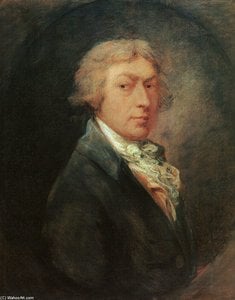
Self Portrait

A striking 1787 oil on canvas self-portrait by Thomas Gainsborough captures the artist's mature likeness with a dignified gaze and classic attire, showcasing his mastery of portraiture during the Georgian era – discover this timeless piece.

Tomas Gejnzboro (1727-1788) – britanski slikar poznat po portretima i pejzažima! Otkrijte eleganciju, lakoću poteza i uticaj na Konstebla. Osnivač Kraljevske akademije!

Giclee štampa / Umetnički otisak

Giclée štampa ili print na platnu muzejskog kvaliteta uz brzu izradu i raznovrsne opcije završne obrade. ( Naručite ručno oslikano reprodukciju Pređi na prodaju digitalnih slika)

Corner sample of the P118B picture frame: kaljeni polistiren, 5 cm wide and 3 cm thick
P118B дин10
Corner sample of the P118H picture frame: kaljeni polistiren, 5 cm wide and 3 cm thick
P118H дин10
Corner sample of the P118W picture frame: kaljeni polistiren, 5 cm wide and 3 cm thick
P118W дин10
Corner sample of the P438Z picture frame: kaljeni polistiren, 5.5 cm wide and 3.5 cm thick
P438Z дин10
Corner sample of the P508JH picture frame: kaljeni polistiren, 7 cm wide and 3.5 cm thick
P508JH дин12
Corner sample of the P508YH picture frame: kaljeni polistiren, 7 cm wide and 3.5 cm thick
P508YH дин12
Corner sample of the P805H picture frame: kaljeni polistiren, 5 cm wide and 3.5 cm thick
P805H дин10
Corner sample of the P805Z picture frame: kaljeni polistiren, 5 cm wide and 3.5 cm thick
P805Z дин10
Corner sample of the P919BZ picture frame: kaljeni polistiren, 7 cm wide and 3.5 cm thick
P919BZ дин10
Corner sample of the P919G picture frame: kaljeni polistiren, 7 cm wide and 3.5 cm thick
P919G дин10
Corner sample of the P919XJ picture frame: kaljeni polistiren, 7 cm wide and 3.5 cm thick
P919XJ дин10
Corner sample of the P959ZH picture frame: kaljeni polistiren, 5 cm wide and 3 cm thick
P959ZH дин10
Corner sample of the P968JZ picture frame: kaljeni polistiren, 6 cm wide and 4 cm thick
P968JZ дин12
Corner sample of the W106C picture frame: masivno drvo, 5 cm wide and 3 cm thick
W106C дин8
Corner sample of the W218G picture frame: masivno drvo, 5 cm wide and 3 cm thick
W218G дин10
Corner sample of the W218JH picture frame: masivno drvo, 5 cm wide and 3 cm thick
W218JH дин8
Corner sample of the W218Y picture frame: masivno drvo, 5 cm wide and 3 cm thick
W218Y дин10
Corner sample of the W307PJ picture frame: masivno drvo, 6 cm wide and 3 cm thick
W307PJ дин10
Corner sample of the W316G picture frame: masivno drvo, 6 cm wide and 3 cm thick
W316G дин10
Corner sample of the W316PJ picture frame: masivno drvo, 6 cm wide and 3 cm thick
W316PJ дин8
Corner sample of the W316Y picture frame: masivno drvo, 6 cm wide and 3 cm thick
W316Y дин10
Corner sample of the W398PJ picture frame: masivno drvo, 5 cm wide and 3 cm thick
W398PJ дин8
Corner sample of the W4111J picture frame: masivno drvo, 6.5 cm wide and 3.5 cm thick
W4111J дин10
Corner sample of the W500HY picture frame: masivno drvo, 7 cm wide and 5 cm thick
W500HY дин15
Corner sample of the W500JH picture frame: masivno drvo, 7 cm wide and 5 cm thick
W500JH дин15
Corner sample of the W692G picture frame: masivno drvo, 8 cm wide and 4 cm thick
W692G дин12
Corner sample of the W849H picture frame: masivno drvo, 5 cm wide and 3 cm thick
W849H дин8
Corner sample of the W940BG picture frame: masivno drvo, 7.5 cm wide and 4.5 cm thick
W940BG дин15
Corner sample of the W953PJ picture frame: masivno drvo, 6 cm wide and 3.5 cm thick
W953PJ дин8

Standardne dimenzije
po meri
CM
INCH

Izaberite jednu od naših unapred definisanih veličina koje odgovaraju originalnim proporcijama umetničkog dela.

širina
visina

Unesite širinu i visinu koja vam je potrebna, kako bi se uklopili u vaš ram ili na vaš zid. Štampa se može samo iseći, nikada ne može biti veća od originalne slike, stoga format sa drugačijim proporcijama gubi deo slike. Poslaćemo vam digitalni prikaz radi potvrde pre nego što započnemo štampu. Slika prikazana na ovoj stranici ne pokazuje stvarni rez — to pokazuje samo digitalni prikaz.

Dostava širom sveta () za 2 nedelje umesto uobičajenih 4/5 nedelja. (27 октобар)

Besplatna ekspresna dostava širom sveta
Visokokvalitetno laneno platno
Sveobuhvatno osiguranje transporta
Garancija povraćaja carine i uvoznih dažbina
Garancija vernosti boja i autentičnosti pri reprodukciji
Politika povraćaja u roku od 100 dana (samo u slučaju nedostataka)
Garancija povrata 100% novca
Popust pri većoj količini

Ukupna cena

дин 7026

Self Portrait

Giclee štampa / Umetnički otisak

Veličina reprodukcije

-

Ukupna cena

дин 7026

Brzi pregled

  • Subject or theme: Self-portraiture
  • Artistic style: Rococo, Portraiture
  • Dimensions: 77 x 65 cm
  • Notable elements: White hair, suit, tie
  • Location: Royal Academy, London

A Portrait of Reflection: Thomas Gainsborough’s Self-Portrait

Thomas Gainsborough's 1787 self-portrait offers more than just a likeness; it is a poignant meditation on age, experience, and the enduring power of artistic dedication. Painted during a pivotal period in his career – a time when he was increasingly sought after for portrait commissions – this work reveals a man wrestling with both the successes and the inevitable passage of time. The image, rendered in Gainsborough’s signature oil on canvas technique, immediately draws the viewer into a direct confrontation, mirroring the subject's unwavering gaze.

  • Subject & Composition: The central figure, a man estimated to be in his late 60s or early 70s, dominates the frame with an almost unsettling directness. His posture is upright, conveying a sense of dignity and self-assuredness despite the evident signs of aging – the white hair, the neatly trimmed mustache and sideburns. The composition itself is deceptively simple, relying on the power of observation to create a deeply affecting portrait.
  • Technique & Style: Gainsborough’s mastery of light and shadow is immediately apparent. He employs a loose, expressive brushstroke characteristic of his later work, creating a textured surface that adds depth and realism to the figure. The blue jacket, white shirt, and dark tie – fashionable attire for the period – are rendered with meticulous detail, showcasing Gainsborough's skill in capturing textures and fabrics.

Historical Context: A Master at Work

Created in 1787, this self-portrait provides a valuable window into the life of one of Britain’s most important artists during the Georgian era. Gainsborough was at the height of his career, having already established himself as a leading portrait painter and landscape artist. The Royal Academy of Arts exhibition where this work was initially displayed served as a crucial platform for showcasing artistic talent and attracting wealthy patrons. The painting reflects the societal emphasis on status and self-representation that characterized the period – a desire to immortalize one's identity through art.

  • Georgian Portraiture: Gainsborough’s portraits were highly sought after by the aristocracy and gentry, who commissioned him to capture their likenesses for posterity. His style evolved over time, moving from the more formal, classical influences of his early work towards a looser, more naturalistic approach that emphasized character and personality.
  • The Royal Academy: The Royal Academy, founded in 1789, played a significant role in shaping British art. Gainsborough’s self-portrait was one of the first works exhibited at the Academy's annual exhibition, marking a new era for artistic presentation and patronage.

Symbolism & Emotional Impact

Beyond its technical brilliance, this self-portrait is laden with symbolic meaning. The direct gaze of the subject invites introspection, prompting viewers to consider their own mortality and legacy. The white hair, often associated with wisdom and experience, suggests a lifetime dedicated to artistic pursuits. The painting’s emotional impact lies in its raw honesty – a glimpse into the soul of a man confronting his age and reflecting on his life's work. It is a powerful reminder of the human condition, inviting us to contemplate our own place within time.

  • Age & Reflection: The prominent display of aging in the portrait speaks to the themes of mortality and reflection that were prevalent during Gainsborough’s lifetime.
  • The Artist's Identity: By portraying himself, Gainsborough elevates his own status as an artist, asserting his importance within the artistic community.

A Timeless Masterpiece – A Hand-Painted Reproduction

WahooArt offers a meticulously crafted hand-painted reproduction of this iconic work by Thomas Gainsborough. Each reproduction is created by skilled artisans who painstakingly recreate Gainsborough’s technique and style, ensuring an unparalleled level of detail and authenticity. This isn't merely a print; it's a genuine artwork that will grace your walls with the timeless beauty and profound emotion of one of Britain’s greatest portrait painters. Perfect for collectors, interior designers seeking to infuse their spaces with artistic heritage, or anyone captivated by Gainsborough’s vision.

Pitanja i odgovori

Mogu li da koristim proširenu stvarnost kako bih video/la „Self Portrait”, Tomas Gejnzboro u svojoj prostoriji?

Delo „Self Portrait”, Tomas Gejnzboro možete isprobati na svom zidu putem stranice AR pregled, koristeći proširenu stvarnost na kompatibilnom uređaju.

Koliko je poznato delo "Self Portrait" autora Tomas Gejnzboro?

"Self Portrait" je klasifikovan kao Iconic.

Kakvu orijentaciju ima „Self Portrait”, Tomas Gejnzboro?

Format dela "Self Portrait" je Portrait. Ovo je korisno prilikom planiranja mesta na kojem će reprodukcija biti postavljena.


Biografija umetnika

Tomas Gejnzboro: Život i Delo Britanskog Majstora

Tomas Gejnzboro, rođen 1727. godine u Sudberiju, na engleskoj teritoriji Sufolk, zauvek je ostavio neizbrisiv trag u istoriji britanske umetnosti. Njegova priča nije počela u sjaju akademija ili metropola, već u mirnom okruženju malog grada, gde se od najranijih dana manifestovala izuzetna umetnička osetljivost. Iako je bio najmlađi od devetoro dece Johna Gejnzboroa, proizvođača vune i tkalice, Tomas je brzo pokazao talenat koji ga je izdvojio iz porodice. Umesto da nastavi porodičnu tradiciju, on se posvetio crtanju i slikanju, stvarajući minijaturne portrete sebe i nežne pejzaže pre nego što je napunio deset godina. Otac, prepoznajući njegov dar, podržao je njegov umetnički put, čime je mladog Tomea usmerio ka budućnosti koja će revolucionisati britansku scenu. Sam krajolik Sufolka postao mu je prva radionica, prožimajući njegove kasnije slike dubokom i trajnom ljubavlju prema prirodi – karakteristika koja ga je izdvajala od mnogih njegovih savremenika. Ta rana imersija u pejzaže nije bila samo o slikanju onoga što vidi; to je bilo osećanje suštine engleske provincije, emotivni rezonans koji će prožeti njegove platna tokom decenija.

Učenici i Uticaji: Od Londona do Ipsiča

Godine 1740, trinaestogodišnji Tomas krenuo je u London, gde se upisao na formalnu umetničku obuku kod Hjuberta Gravelota, francuskog gravira poznatog po elegantnom rokok stilu. Ovo iskustvo je bilo ključno, predstavljajući ga izuzetnim tehnikama i modernim estetikama. Međutim, njegov susret sa Vilijamom Hogartom i Akademijom Svete Martin’s Lane zaista je počeo da oblikuje njegov umetnički identitet. Iako je u početku bio pod uticajem narativnog pristupa Hogarta, Gejnzboro je ubrzo krenuo sopstvenim putem, razvijajući prepoznatljiv stil karakterisan lakoćom dodira, fluidnim potezima i suptilnim paletama boja. On je upijao lekcije od različitih majstora, ali se nije strogo pridržavao nijedne škole, kreirajući put koji je spajao posmatranje sa maštom. Povratak u Sudberi nakon ženidbe sa Margaret Bur 1746. godine doveo ga je do toga da se etablira kao portriista za lokalno plemstvo. Tokom tog perioda, usavršio je veštine slikanja portreta i karaktera, ali tek tokom kasnijeg preseljenja u Ipsič, a potom i u Bath, počeo je privlačiti sofisticiraniju klijelu – ljude koji su cenili ne samo tačno predstavljanje, već i umetnički sjaj i emotivnu dubinu.

Bath i Izvan: Portreti, Pejzaži i Kraljevsko Patronizovanje

Godine provedene u Bathu (1759-1774) označile su značajnu prekretnicu u karijeri Gejnzboroa. Grad je bio centar elegantnog društva, pružajući mu obilne prilike da slika portrete bogatih i uticajnih ljudi. Brzo je stekao reputaciju po svojoj sposobnosti da uhvati ne samo fizičku sličnost, već i ličnost i socijalni status svojih modela. Njegovi portreti nisu bili samo slike; bili su izjave o identitetu i statusu. Ipak, čak i usred zahteva za slikanjem portreta, Gejnzboro nikada nije napustio svoju strast prema slikanju pejzaža. U stvari, često je na svoje portrete integrisao pejzaže, stvarajući kompozicije koje su slavile kako ljudske subjekte tako i lepotu prirodnog sveta. Ovaj inovativni pristup – zaštitni znak njegovog stila – izdvajao ga je od mnogih njegovih savremenika. Kulminacija uspeha došla mu je sa preseljenjem u London 1774. godine, gde je osnovao studio na Pal Malu i postao osnivač Kraljevske akademije. Takođe je stekao kraljevsko patronizovanje, postajući omiljeni slikar kralja Đorđa III i kraljice Šarlote, čime je dodatno učvrstio svoju poziciju jednog od vodećih britanskih umetnika. Portret Tomasa Gejnzboroa, naslikan 1785. godine, predstavlja ovu epohu – elegantan portret koji prikazuje rokok stil i smanjene tonove.

Nasleđe Inovacije: Trajna Privlačnost i Uticaj

Tomas Gejnzboro je umro 1788. godine, ostavivši iza sebe delo koje i danas fascinira publiku. Njegov uticaj na buduće generacije britanskih umetnika je neuporediv. On je oslobodio portret od rigidne formalnosti, nadahnjujući ga spontanošću i emotivnom rezonancijom. Njegovi labavi potezi kista i atmosferski efekti pripremili su teren za impresioniste, dok su njegovi lirični pejzaži inspirisali umetnike poput Džona Konstebla, koji je duboko poštovao Gejnzborovu sposobnost da uhvati duh engleske provincije. Gejnzborovo nasleđe seže izvan tehnike; leži u njegovom dubokom razumevanju ljudskog karaktera i njegovoj neumornoj predanosti umetničkom izrazu. On nije bio samo slikar portreta ili pejzaža; bio je pripovedač, pesnik svetlosti i boja i vizionar koji je transformisao britansku scenu.

Tomas Gejnzboro

Tomas Gejnzboro

1727 - 1788 , Ujedinjeno Kraljevstvo

Brzi pregled

  • Datum Rođenja: 1727
  • Datum Smrti: 1788
  • Mesto Rođenja: Sudberi, Ujedinjeno Kraljevstvo
  • Nacionalnost: Britanski
  • Puno Ime: Tomas Gejnzboro
  • Slikari Ili Pokreti Pod Njegovim Uticajem:
    • Džon Konstelbl
    • Impresionisti
  • Slikari Koji Su Uticali Na Njega:
    • Hjuber Gravelot
    • Vilijam Hogart
  • Umetnički Pokret Ili Stil: Rokoko, Portreti
  • Značajna Dela:
    • Gospođa Tomas Gejnzboro
    • Gospodin i gospođa Endru
    • Plavi dečak
Istražite umetnička dela organizovana prema temama, stilovima i karakteristikama.