


Giclée štampa ili print na platnu muzejskog kvaliteta uz brzu izradu i raznovrsne opcije završne obrade. ( Kupite ručno oslikano delo Pređi na digitalnu sliku)





























Izaberite jednu od naših unapred definisanih veličina koje odgovaraju originalnim proporcijama umetničkog dela.

Unesite željenu širinu i visinu kako bi se štampa uklopila u vaš ram ili zid. Štampu je moguće samo iseći, ali nikada povećati iznad dimenzija originalne slike, stoga format sa drugačijim proporcijama uzrokuje gubitak dela slike. Pre početka štampe, poslaćemo vam digitalni prikaz radi potvrde. Slika prikazana na ovoj stranici ne predstavlja stvarni isrez — to pokazuje samo digitalni prikaz.
Dostava širom sveta () za 2 nedelje umesto uobičajenih 4/5 nedelja. (11 новембар)
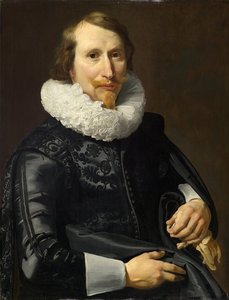
A Lady
Dimenzije reprodukcije
The year is 1632. Amsterdam thrives as the epicenter of the Dutch Golden Age, a period brimming with artistic innovation and opulent patronage. Within this vibrant scene emerges Thomas de Keyser, a painter whose skill lay not merely in capturing likeness but in distilling the very essence of his subjects – a talent brilliantly showcased in his captivating portrait, “A Lady.” This oil-on-oak panel painting, currently residing within the esteemed Staatliche Museen in Berlin, is more than just a depiction; it’s an invitation into a world of refined elegance and subtle psychological depth.
De Keyser's style, heavily influenced by both the meticulous detail of Flemish masters like Anthony van Dyck and the dramatic lighting favored by Rembrandt, results in a remarkably lifelike portrayal. The lady before us is presented with a poise that speaks volumes – her posture relaxed yet undeniably regal, her gaze direct and engaging. Notice how De Keyser masterfully employs chiaroscuro, the masterful use of light and shadow, to sculpt the figure, drawing attention to her face and hands while subtly enveloping the background in a veil of mystery. The dark interior, punctuated by the warm glow emanating from an unseen window, creates a sense of intimacy and draws the viewer into the scene.
A closer examination reveals a wealth of detail that speaks volumes about the era. The lady’s attire is a testament to the fashion of 17th-century Holland – a black bodice adorned with intricate gold trim and delicate lace, suggesting both wealth and status. The elaborate headwear, a white ruff collar framing a dark hat embellished with what appear to be feathers or decorative elements, further emphasizes her position within society. These aren’t merely decorative choices; they are carefully selected symbols of power, refinement, and social standing.
The background, far from being mere decoration, plays an integral role in the painting's narrative. The dark room, with its wooden floor featuring a subtle checkered pattern, evokes a sense of luxury and opulence – a space designed for contemplation and quiet enjoyment. The glimpse of a red velvet drape hints at hidden treasures and adds a touch of dramatic flair. De Keyser’s brushwork is remarkably precise, particularly evident in the rendering of the lace and the folds of the fabric. He utilizes layering techniques to create texture and depth, ensuring that every element contributes to the overall sense of realism.
Understanding “A Lady” requires a glimpse into the context of its creation. Thomas de Keyser was a prominent figure in the Dutch art world during this period, renowned for his portraits and genre scenes commissioned by wealthy merchants and nobility. His work reflects the prosperity and cultural flourishing of the Netherlands – a nation at the forefront of artistic innovation and trade. The painting offers a fascinating window into the lives of the elite, revealing their values, aspirations, and aesthetic sensibilities.
Furthermore, De Keyser’s connection to Hendrick de Keyser, his father—a celebrated architect and sculptor who shaped Amsterdam's skyline—provides an intriguing layer of familial legacy. This lineage undoubtedly influenced Thomas’s artistic development, imbuing his work with a sense of technical mastery and architectural awareness. The painting stands as a testament not only to De Keyser’s individual talent but also to the enduring influence of his family’s artistic heritage.
Today, “A Lady” continues to captivate viewers with its timeless beauty and psychological depth. WahooArt offers meticulously crafted hand-painted reproductions that faithfully capture the essence of De Keyser's masterpiece. These reproductions are not mere copies; they are artistic interpretations imbued with the same attention to detail, technique, and emotional resonance as the original. Whether adorning a grand salon or a more intimate space, a reproduction of “A Lady” brings a touch of Dutch Golden Age elegance and sophistication to any setting.
For those seeking further information on Thomas de Keyser and his remarkable oeuvre, we encourage you to explore resources such as WahooArt.com and the Staatliche Museen in Berlin’s website. And for a deeper dive into the life and works of this pivotal artist, Wikipedia offers a comprehensive overview of his biography and artistic contributions.
Zabeleženo raspoloženje dela „A Lady”, autor Tomas De Kejzer je Elegant, a njegov emocionalni ton je Reflective.
Delo "A Lady" je kreirao/la Tomas De Kejzer. Informacije na ovoj stranici opisuju originalno delo umetnika Tomas De Kejzer.
Za Living Room, preporučena veličina štampe dela „A Lady”, autor Tomas De Kejzer je Medium.

U živopisnom, užurbanom srcu Amsterdama sedamnaestog veka, u periodu koji je definisao neviđen prosperitet i kulturno cvetanje, Tomas de Kejzer se istakao kao moćna sila u svetu portretistike. Rođen 1596. godine u okruženju prožetom arhitektonskim veličanstvom, De Kejzer je bio sin legendarnog Hendrika de Kejzera, arhitekte čija je ruka oblikovala sam horizont Amsterdama. Ovo umetničko poreklo pružilo je mnogo više od samog imena; ono je donelo temeljno razumevanje strukture, prostora i fizičkog prisustva predmeta koje će kasnije definisati njegov pristup ljudskoj formi. Odrastajući usred kamenoloma duž reke Amstel, De Kejzer je bio uronjen u svet u kojem su umetnost i arhitektura bili neraskidivo povezani, što je podstaklo tehničku preciznost koja će postati njegov zaštitni znak.
Njegovo umetničko putovanje dodatno je usavršeno kroz formalnu obuku kod Kornelisa van der Vortu, edukaciju koja ga je upoznala sa humanističkim idealima i sofisticiranim kompozicionim tehnikama tog doba. Kako je sazrevao, De Kejzerov stil počeo je da se stapa u nešto zaista autentično — most između pedantnog detalja kasnog renesansnog perioda i dramatičnog, psihološkog intenziteta usredborog baroka. Iako su njegova rana dela pokazivala oštru zainteresovanost za formalnu eleganciju njegovih prethodnika, on je ubrzo razvio sposobnost da uhvati živu stvarnost svojih subjekata, pomerajući se dalje od obične sličnosti ka samoj suštini njihovog karaktera.
Da bi se razumelo De Kejzerovo briljantno umeće, mora se istražiti složen odnos između njegovog rada i dela Rembranta van Rajna. Često opisivan kao savremenik koji je delio revolucionarni duh ere, De Kejzerov pristup svetlu i senki — čuveni chiaroscuro — odjekivao je dramskim inovacijama koje je zagovarao Rembrant. Međutim, De Kejzer je posedovao jedinstvenu jasnoću; tamo gde bi Rembrant mogao da rastopi formu u duboke, misteriozne senke, De Kejacije je često zadržavao oštrinu linije i svetlost u svojim teksturama. Bio je majstor taktilnosti, prikazujući težinu svilenog sjaja, zamršene obrasce čipke i suptilnu, izbruženu kožu starijeg trgovca sa gotovo naučnom preciznošću.
Ova posvećenost realizmu učinila ga je omiljenim portretistom usponuće trgovinske klase Holandske Republike. Njegova sposobnost da uravnoteži prestiž svojih modela sa dubokim osećajem psihološke istine omogućila mu je stvaranje dela koja su služila i kao simboli statusa i kao intimne studije karaktera. U svojim grupnim portretima, pokazao je izvanrednu sposobnost organizovanja složenih postavki figura, osiguravajući da svaka osoba zadrži svoj poseban identitet dok doprinosi kohezivnoj priči o kolektivnom građanskom ponosu. Njegov potez četkicom, iako precizan, nikada nije delovao statično; u njegovim kompozicijama postoji ritmična vitalnost koja uduhvljuje život u zamrljene trenutke sedamnaestog veka.
Dostignuća Tomasa de Kejzera protežu se daleko izvan platna, predstavljajući vitalno poglavlje u istoriji severnoevropske umetnosti. Njegova karijera se poklopila sa vrhuncem holandskog zlatnog doba, vremena kada je Holandija afirmisala svoj identitet kroz trgovinu, nauku i umetnost. Dokumentovanjem lica ovog doba — od bogatih građana do uticajnih političkih lidera — on je obezbedio vizuelni zapis društva u tranziciji. Njegovo delo služi kao prozor u društvene hijerarhiju, modu i vrednosti ere definisane pomorskom moći i protestantskim vrednom radom.
Tokom čitavog života i kroz svoje nasleđe, nekoliko ključnih elemenata definiše njegov doprinos svetu umetnosti:
Iako ga istorija ponekad smešta u Rembrantovu senku, De Kejzerov značaj ostaje nepokolebljiv. On nije bio samo imitator veličine, već pionir po svome, doprinoseći specifičnu vrstu jasnoće i strukturne elegancije holandskoj tradiciji. Danas njegova dela nastavljaju da očaravaju naučnike i ljubitelje umetnosti, stojeći kao trajni dokazi majstora koji je umeo da uhvati kako spoljašnji sjaj, tako i unutrašnju dušu svog vremena.
1596 - 1667 , Holandija

Embark on a sophisticated journey through the Dutch Golden Age. Unveil the dramatic brilliance of Rembrandt’s chiaroscuro and the expressive landscapes of 17th-century masters in this authoritative exploration of light, shadow, and enduring artistic legacy.
 Pregledaj u prostoru
 Pošalji
 Podeli
 Detalji o delu
 Vodič
Vodič

 Preuzmi
 Slični predmeti
 Rendgenski snimak
 Automatska prezentacija
 Pitanja i odgovori
 Statistika


 Pročitaj više









 Opcija sa staklom dostupna je samo za dimenzije manje od 110 cm


