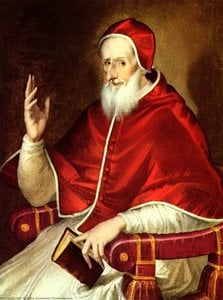
Giclée štampa ili print na platnu muzejskog kvaliteta uz brzu izradu i raznovrsne opcije završne obrade. ( Kupite ručno oslikano delo Pređi na digitalnu sliku)





























Izaberite jednu od naših unapred definisanih veličina koje odgovaraju originalnim proporcijama umetničkog dela.

Unesite željenu širinu i visinu kako bi se štampa uklopila u vaš ram ili zid. Štampu je moguće samo iseći, ali nikada povećati iznad dimenzija originalne slike, stoga format sa drugačijim proporcijama uzrokuje gubitak dela slike. Pre početka štampe, poslaćemo vam digitalni prikaz radi potvrde. Slika prikazana na ovoj stranici ne predstavlja stvarni isrez — to pokazuje samo digitalni prikaz.
Dostava širom sveta () za 2 nedelje umesto uobičajenih 4/5 nedelja. (15 новембар)
The Hermit
Dimenzije reprodukcije
The air in the room feels heavy, thick with the scent of old wood and the weight of silent prayer. An elderly man, his face etched with the deep lines of many years, leans into a moment of profound spiritual devotion. His long white beard catches a sliver of light, contrasting sharply against the deep shadows that swallow the rest of the space. He sits in a tight, intimate frame, his hands clasped tightly in a gesture of desperate or perhaps peaceful supplication. His gaze is fixed upon a crucifix attached to a tree, a focal point that draws the eye through the darkness. The light is dramatic, a sudden beam that illuminates the side of his weathered face and his trembling hands, leaving the background to dissolve into a murky, contemplative gloom.
Every object within this narrow view carries a heavy weight of meaning, whispering of the transition between the earthly and the divine. The composition uses a shallow depth of field to force an encounter between the viewer and these quiet, symbolic elements:
The color palette remains muted and somber, relying on earthy tones of ochre, sepia, and deep browns. These colors do not shout; they hum with a quiet, steady intensity. The texture of the oil on the panel suggests a meticulous hand, one that finds beauty in the rough grain of a wooden surface or the soft fold of a garment. It is a scene of profound solitude, where the only movement is the silent, internal struggle of a soul in conversation with the sacred.
This work emerges from the meticulous traditions of the Leiden school, where precision and the play of light define the artist's language. The painting reflects a life spent navigating the shadow of a great family name, striving to capture the tangible textures of existence with absolute clarity. There is a tension here, a struggle to find a personal voice within a lineage of masters. The artist uses a chiaroscuro effect to create a sense of drama, not through grand gestures, but through the subtle, controlled application of light against shadow. It is a study of form and utility, where the smallest stroke holds the weight of a whole world, capturing a fleeting, private moment of faith that feels as though it is happening right now, just beyond the reach of the light.
Format Portrait dela „The Hermit”, autor Frans van Mieris the Younger preporučuje se za Office. Format i prostor zajedno služe kao smernica za postavljanje reprodukcije.
Da – umetničko delo se čuva u matičnoj zemlji umetnika. Frans van Mieris the Younger je rođen/a u Netherlands, dok se originalno delo "The Hermit" čuva u muzeju u Netherlands.
Ostala imena zabeležena za Frans van Mieris the Younger, autora dela "The Hermit", uključuju Frans van (II) Mieris, Frans van Mieris (II), Franz van, the younger Mieris, Jun. F. Mieris, Frans II Van Mieris.

Leiden, 1689. The air in the studio is thick with the scent of linseed oil and the weight of expectation. Frans van Mieris the Younger enters a world already defined by the brushstrokes of his grandfather, the celebrated Frans van Mieris the Elder. He is born into a lineage of precision, the son of Willem van Mieris, inheriting a space where light and texture are the primary languages. The studio is a family inheritance, a physical continuation of a visual tradition that demands a specific, meticulous hand.
The transition of the workshop is a quiet, inevitable movement. When Willem passes the tools of the trade to his son, the expectation is not merely to paint, but to maintain a standard of excellence established by a predecessor whose reputation looms large. Frans moves through the Leiden school, navigating the narrow path between personal expression and the rigid requirements of a family name. He is a painter, a historian, and an archaeologist, a man whose life is deeply anchored in the intellectual and visual soil of the Dutch Republic.
His work often finds its focus in the quietude of the everyday, rendered with a clarity that demands close inspection. He captures the textures of existence—the rough fabric of a peasant's garment, the glint of a ceramic jug, or the subtle play of light across a surface. His output spans various subjects, from the intimate to the formal:
In 1731, the canvas Old Peasant Holding a Jug captures a moment of stillness, a study of form and utility that would eventually find its way to the Hermitage in St. Petersburg. There is a tension in his compositions, a struggle to match the heights of the Elder while carving out a space for his own observations. He works in oils on panel, a medium that allows for the fine, controlled detail required by his training.
The later years of his life see him continuing to navigate the artistic landscape of the Netherlands. He remains a figure of the Leiden school, a practitioner of a style that values the tangible over the abstract. His portraits, such as those of Andreas Weiss or Pieter de la Court, attempt to fix a likeness with the same technical rigor applied to his still lifes and genre scenes. He does not seek to reinvent the wheel, but to refine the wheel's edge.
By 1763, the cycle of the studio reaches its conclusion. Frans van Mieris the Younger dies in Leiden, the same city where his journey began. He leaves behind a body of work that remains a vital link in the history of Dutch painting, a bridge between the high achievements of his grandfather and the evolving tastes of the mid-eighteenth century. He remains a painter of the detail, a man who understood that the smallest stroke could hold the weight of a whole world.

1689 - 1763 , Netherlands
 Pregledaj u prostoru
 Pošalji
 Podeli
 Detalji o delu
 Vodič
Vodič

 Preuzmi
 Slični predmeti
 Rendgenski snimak
 Automatska prezentacija
 Pitanja i odgovori
 Statistika


 Pročitaj više









 Opcija sa staklom dostupna je samo za dimenzije manje od 110 cm