BESPLATNA KONSULTACIJA SA STRUČNJAKOM ZA UMETNOST

x
Kupi štampu Kupi štampuKupi digitalnu sliku Kupi digitalnu sliku PošaljiPošalji
DetailsDetails Dodaj u omiljene Dodaj u omiljene ПреузмиПреузми Slični predmetiSlični predmeti X-RayX-Ray SlajdoviSlajdovi

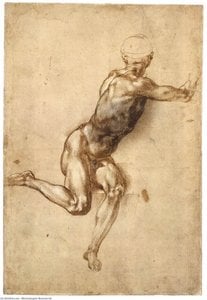
Study for an Angel

Explore Tanzio da Varallo's masterful chalk drawing 'Study for an Angel,' created in 1631, showcasing dynamic anatomy and preparatory sketches for monumental Baroque frescoes.

Tanzio da Varallo (1580-1633) was an Italian painter of the Mannerist/Baroque period, known for his tenebrist style & gruesome scenes like David & Goliath. Explore his works in Piedmont!

Ručno rađena uljana reprodukcija

Ručno oslikano uljanim bojama na platnu u dimenzijama i okviru po vašem izboru, izrađeno po porudžbini od strane naših umetnika.

P118B $10
P118H $10
P118W $10
P438Z $10
P508JH $12
P508YH $12
P805H $10
P805Z $10
P919BZ $10
P919G $10
P919XJ $10
P959ZH $10
P968JZ $12
W106C $8
W218G $10
W218JH $8
W218Y $10
W307PJ $10
W316G $10
W316PJ $8
W316Y $10
W398PJ $8
W4111J $10
W500HY $15
W500JH $15
W692G $12
W849H $8
W940BG $15
W953PJ $8

Standard
custom
CM
INCH

Izaberite jednu od naših unapred definisanih veličina koje odgovaraju originalnim proporcijama umetničkog dela.

širina
visina

Можете унети сопствене димензије како бисте прилагодили дело одређеном оквиру или простору. Ако одабрана величина не одговара пропорцијама оригинала, слика ће бити исечена или проширена додатним елементима који се ручно насликавају. Дигитални prikaz ће вам бити послат на одобрење пре почетка производње.
Имајте на уму да преглед на екрану не одражава стварно исецање или проширење. Само приказ (mockup) ће тачно приказати коначну композицију.
Иако су доступне прилагођене величине, препоручујемо да одаберете димензију из дефинисане листе како бисте сачували оригиналне пропорције.

Primeri onoga što se može promeniti: Zamena lica fotografijom kupca; Dodavanje ljubimca (npr. zamena mačke psom); Uključivanje skrivene poruke u pozadini; Promena pejzaža ili elemenata pozadine.
Nakon narudžbine, tim WahooArt.com će klijentu putem e-pošte poslati uputstva i dostaviti prikaz predloženog rešenja

Isporuka širom sveta () za 3/4 nedelje umesto uobičajenih 5 nedelja. (1 јул). Bez kompromisa po pitanju kvaliteta.

why_choose_icon
Besplatna ekspresna dostava širom sveta
why_choose_icon
Visokokvalitetno laneno platno
why_choose_icon
Kompletno osiguranje transporta
why_choose_icon
Garancija povraćaja carine i uvoznih dažbina
why_choose_icon
Garancija vernosti boja
why_choose_icon
Politika povrata u roku od 60 dana (samo u slučaju nedostataka)
why_choose_icon
Garancija povrata novca od 100%
why_choose_icon
Popust pri grupnoj kupovini

Ukupna cena

-

reproduction

Study for an Angel

Tehnika reprodukcije

Dimenzije reprodukcije

-

Konačna cena

-

Osnovne informacije

  • Subject or theme: Angel study
  • Location: The Metropolitan Museum of Art
  • Artist: Tanzio da Varallo
  • Movement: Baroque
  • Influences: Caravaggio
  • Title: Study for an Angel
  • Notable elements or techniques: Dynamic pose; Chiaroscuro

Kviz o umetnosti

Svako pitanje ima samo jedan tačan odgovor.

Pitanje 1:
What is the primary medium used in Tanzio da Varallo’s Study for an Angel?
Pitanje 2:
Where was this artwork created?
Pitanje 3:
The drawing depicts a figure in what artistic style?
Pitanje 4:
What is the purpose of the faint grid lines visible in the background of the drawing?
Pitanje 5:
What is Tanzio da Varallo known for besides his drawing skills?

Opis umetničkog dela

Study for an Angel by Tanzio Da Varallo: A Baroque Masterpiece Illuminated

The Metropolitan Museum of Art in New York City holds within its halls a treasure trove of artistic achievement, and among its most captivating offerings is Study for an Angel by Tanzio da Varallo. Created in 1631 using chalk on paper—a technique favored by Caravaggio and his contemporaries—this drawing transcends mere representation; it embodies the spirit of the Baroque era and stands as a testament to the artist’s unparalleled skill in capturing human form and conveying profound emotion. Measuring an impressive 356 x 252 cm, the artwork commands attention with its monumental scale and meticulous detail.

Composition and Technique: Embracing Dramatic Light

At first glance, Study for an Angel presents a deceptively simple composition—a central figure of male anatomy rendered in luminous red chalk against a pale ochre ground. However, beneath this apparent austerity lies a masterful orchestration of chiaroscuro, a hallmark of Baroque art that seeks to dramatize the subject matter through stark contrasts between light and dark. Tanzio da Varallo’s approach was informed by the influence of Caravaggio, who famously employed this technique to heighten emotional impact and create an illusionistic depth within his paintings. The artist skillfully utilized grid lines—a characteristic feature of preparatory sketches—to ensure accurate proportions and facilitate a precise transfer onto a larger canvas intended for fresco painting. Scattered around the edges of the paper are smaller figures or anatomical studies, demonstrating Tanzio’s dedication to understanding the complexities of human musculature and posture.

Historical Context: The Sacro Monte and Baroque Spirituality

The genesis of Study for an Angel lies within the fervent religious fervor of 17th-century Lombardy, specifically the commissioning of monumental artworks for the Sacro Monte at Varallo Sesia—a pilgrimage site dedicated to Saint Francis Xavier. Tanzio da Varallo collaborated closely with Pier Francesco Mazzucchelli ("il Morazzone") on these ambitious projects, reflecting the broader artistic trends of the period. Baroque art served as a powerful vehicle for conveying spiritual themes and inspiring piety, and Study for an Angel exemplifies this ethos through its idealized depiction of human anatomy—a deliberate reference to humanist ideals that persisted alongside religious dogma. The drawing’s subdued palette—dominated by earthy tones—contrasts subtly with the ethereal quality of the angelic subject matter, creating a harmonious balance between earthly observation and divine contemplation.

Symbolism: Anatomy as Embodiment of Virtue

Beyond its technical brilliance, Study for an Angel resonates with symbolic significance. The anatomical rendering of the male figure is not merely a demonstration of artistic skill; it represents a profound engagement with humanist philosophy—the belief that human beings possess inherent dignity and potential for moral excellence. Tanzio da Varallo’s meticulous attention to detail underscores this conviction, portraying the musculature and posture of the angel with precision and sensitivity. The pale ochre ground serves as a neutral backdrop against which the figure's form shines forth, symbolizing purity and illumination—concepts central to Christian iconography.

A Legacy of Artistic Innovation

Study for an Angel stands as a cornerstone of Tanzio da Varallo’s oeuvre and exemplifies his contribution to Baroque art history. Its enduring appeal lies in its masterful execution, its evocative composition, and its profound engagement with humanist ideals and religious spirituality. Like other notable artists and their works can be found on WahooArt.com, including Fede Galizia's Still-Life painting, which is a testament to her skill in capturing the essence of everyday objects. Additionally, Elisabetta Sirani's The Virgin Crowned by Christ Child with Roses is another captivating artwork that showcases her expertise in chalk drawings. Luigi De Rossi was an Italian Baroque composer who studied music with the Franco-Flemish composer Jean de Macque. The Metropolitan Museum of Art is one of the world’s largest and most renowned museums, with a collection that spans over 5,000 years of human history. Handmade oil paintings reproductions of famous artworks, including those by Tanzio Da Varallo, can be found on WahooArt.com. These reproductions are create

Srodna umetnička dela


Biografija umetnika

Antonio D’Enrico Tanzio da Varallo: A Lombard Baroque Visionary

Tanzio da Varallo (c. 1580 – c. 1632/1633), born Antonio d'Enrico in Riale d’Alagna, Italy, stands as a pivotal figure within the late Mannerist and early Baroque artistic landscape of Lombardy. His oeuvre reflects a profound engagement with dramatic chiaroscuro—the stark contrast between light and dark—a technique heavily indebted to Caravaggio and other masters who championed this expressive style. More than just replicating stylistic trends, Tanzio da Varallo forged his own distinctive voice, particularly evident in monumental religious paintings commissioned for the Sacro Monte at Varallo Sesia and Pescocostanzo, where he collaborated closely with Pier Francesco Mazzucchelli ("il Morazzone").

Early Life and Artistic Formation

Born into a family steeped in artistic tradition—his father was also a painter—Tanzio’s formative years were spent in Alagna Valsesia. He received his initial training in Milan, absorbing the influences of prominent artists like Giulio Cesare Procaccini and Giovanni Battista Crespi, who shaped the aesthetic sensibilities of the era. This exposure to established artistic currents undoubtedly contributed to Tanzio's burgeoning talent and propelled him toward a career dedicated to visual storytelling. His brother Melchiorre followed similar artistic pursuits, studying in Milan as well, further cementing the familial commitment to artistic excellence.

The Sacro Monte and Dramatic Narrative

Tanzio da Varallo’s reputation solidified during his prolific activity at the Sacro Monte of Varallo Sesia, where he undertook ambitious projects aimed at conveying spiritual fervor through monumental frescoes. Alongside Mazzucchelli, he crafted breathtaking depictions of biblical scenes—particularly the Crucifixion—demonstrating a masterful command of composition and color orchestration. These paintings exemplify Tanzio’s penchant for theatrical presentation, mirroring the Baroque preoccupation with emotional intensity and dramatic narrative. The artist's work here is considered to be among the most important achievements of Lombard baroque painting.

A Master of tenebrism and Gruesome Imagery

Tanzio da Varallo’s artistic style distinguishes itself through its embrace of tenebrism—a technique characterized by extreme contrasts between illumination and darkness—drawing inspiration from Caravaggio's groundbreaking approach. This stylistic choice is powerfully evident in his iconic painting “David with Goliath” (1620), where the figure of David dominates a dark background, conveying both vulnerability and triumph. Furthermore, Tanzio’s “Battle of Sennacherib” (1627–28) for San Gaudenzio Basilica showcases an astonishing level of detail and dynamism, reflecting the Baroque fascination with grand historical narratives and immersive visual experiences. The artist's gruesome depictions are notable for their unsettling realism and psychological depth.

Legacy and Historical Significance

Tanzio da Varallo’s contribution to Lombard Baroque art is undeniable. His paintings continue to captivate audiences today with their expressive power and technical virtuosity, serving as enduring reminders of the artistic dynamism that flourished during this transformative period. He remains a significant figure in the history of Italian painting, embodying the spirit of innovation and dramatic storytelling that defined the era—a legacy cemented by his brother Melchiorre’s equally accomplished artistic endeavors. His work stands as testament to the enduring power of art to convey profound spiritual and emotional truths.
Tanzio da Varallo

Tanzio da Varallo

1580 - 1633 , Italy

Osnovne informacije

  • Artistic Movement Or Style: Late Mannerist / Early Baroque; Tenebrism
  • Artists Or Movements Influenced By This Artist: ['Sacro Monte Varallo']
  • Artists Who Influenced This Artist:
    • Caravaggio
    • Giovanni Battista Crespi
    • Giulio Cesare Procaccini
  • Date Of Birth: ca. 1580
  • Date Of Death: ca. 1632/1633
  • Full Name: Antonio d'Enrico, called Tanzio da Varallo
  • Nationality: Italian
  • Notable Artworks:
    • David and Goliath
    • St Onofrio
    • Portrait of a Gentleman
  • Place Of Birth: Riale d’Alagna, Italy