Pregledaj u prostoru Isprobaj u AR-u Naručite ručno oslikano reprodukciju Pređi na prodaju digitalnih slika Podeli
Detalji Vodič Dodaj u omiljene Preuzmi sliku Slični predmeti Rendgenski snimak Automatska prezentacija Statistika

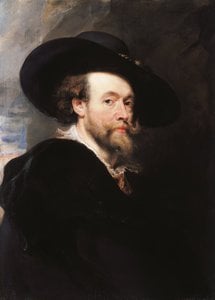
Селфипортрет

Ушаљите се иконе савремености Петра Паولا Рубенса из 1623. године! Ова барокна шемија показује његову вештину и харизму, пружајући увид у културни контекст и утицај ове епохе.

Rubens: Бароковски мајстор познат по динамичним композицијама и живим бојама, као и по иконама као што су 'Склоњење Хреста' и 'Подноштво Хреста'. Истражите његов живот и уметност.

Giclee štampa / Umetnički otisak

Giclée štampa ili print na platnu muzejskog kvaliteta uz brzu izradu i raznovrsne opcije završne obrade. ( Naručite ručno oslikano reprodukciju Pređi na prodaju digitalnih slika)

Corner sample of the P118B picture frame: kaljeni polistiren, 5 cm wide and 3 cm thick
P118B дин10
Corner sample of the P118H picture frame: kaljeni polistiren, 5 cm wide and 3 cm thick
P118H дин10
Corner sample of the P118W picture frame: kaljeni polistiren, 5 cm wide and 3 cm thick
P118W дин10
Corner sample of the P438Z picture frame: kaljeni polistiren, 5.5 cm wide and 3.5 cm thick
P438Z дин10
Corner sample of the P508JH picture frame: kaljeni polistiren, 7 cm wide and 3.5 cm thick
P508JH дин12
Corner sample of the P508YH picture frame: kaljeni polistiren, 7 cm wide and 3.5 cm thick
P508YH дин12
Corner sample of the P805H picture frame: kaljeni polistiren, 5 cm wide and 3.5 cm thick
P805H дин10
Corner sample of the P805Z picture frame: kaljeni polistiren, 5 cm wide and 3.5 cm thick
P805Z дин10
Corner sample of the P919BZ picture frame: kaljeni polistiren, 7 cm wide and 3.5 cm thick
P919BZ дин10
Corner sample of the P919G picture frame: kaljeni polistiren, 7 cm wide and 3.5 cm thick
P919G дин10
Corner sample of the P919XJ picture frame: kaljeni polistiren, 7 cm wide and 3.5 cm thick
P919XJ дин10
Corner sample of the P959ZH picture frame: kaljeni polistiren, 5 cm wide and 3 cm thick
P959ZH дин10
Corner sample of the P968JZ picture frame: kaljeni polistiren, 6 cm wide and 4 cm thick
P968JZ дин12
Corner sample of the W106C picture frame: masivno drvo, 5 cm wide and 3 cm thick
W106C дин8
Corner sample of the W218G picture frame: masivno drvo, 5 cm wide and 3 cm thick
W218G дин10
Corner sample of the W218JH picture frame: masivno drvo, 5 cm wide and 3 cm thick
W218JH дин8
Corner sample of the W218Y picture frame: masivno drvo, 5 cm wide and 3 cm thick
W218Y дин10
Corner sample of the W307PJ picture frame: masivno drvo, 6 cm wide and 3 cm thick
W307PJ дин10
Corner sample of the W316G picture frame: masivno drvo, 6 cm wide and 3 cm thick
W316G дин10
Corner sample of the W316PJ picture frame: masivno drvo, 6 cm wide and 3 cm thick
W316PJ дин8
Corner sample of the W316Y picture frame: masivno drvo, 6 cm wide and 3 cm thick
W316Y дин10
Corner sample of the W398PJ picture frame: masivno drvo, 5 cm wide and 3 cm thick
W398PJ дин8
Corner sample of the W4111J picture frame: masivno drvo, 6.5 cm wide and 3.5 cm thick
W4111J дин10
Corner sample of the W500HY picture frame: masivno drvo, 7 cm wide and 5 cm thick
W500HY дин15
Corner sample of the W500JH picture frame: masivno drvo, 7 cm wide and 5 cm thick
W500JH дин15
Corner sample of the W692G picture frame: masivno drvo, 8 cm wide and 4 cm thick
W692G дин12
Corner sample of the W849H picture frame: masivno drvo, 5 cm wide and 3 cm thick
W849H дин8
Corner sample of the W940BG picture frame: masivno drvo, 7.5 cm wide and 4.5 cm thick
W940BG дин15
Corner sample of the W953PJ picture frame: masivno drvo, 6 cm wide and 3.5 cm thick
W953PJ дин8

Standardne dimenzije
po meri
CM
INCH

Izaberite jednu od naših unapred definisanih veličina koje odgovaraju originalnim proporcijama umetničkog dela.

širina
visina

Možete uneti sopstvene dimenzije kako biste umetničko delo prilagodili specifičnom okviru ili prostoru. Ako odabrani format ne odgovara proporcijama originalne slike, mi ćemo ili iscrtati deo dela ili proširiti sliku pomoću ogledane ivice ili jednobojnog popunjavanja. Digitalni prikaz će vam biti poslat na odobrenje pre početka proizvodnje.
Imajte na umu da pregled na ekranu ne odražava stvarno iscrtavanje ili proširivanje. Samo će prikaz (mockup) precizno pokazati finalnu kompoziciju.
Iako su prilagođene dimenzije dostupne, preporučujemo da odaberete dimenziju sa unapred definisane liste kako biste očuvali originalne proporcije.

Dostava širom sveta () za 2 nedelje umesto uobičajenih 4/5 nedelja. (13 октобар)

Besplatna ekspresna dostava širom sveta
Visokokvalitetno laneno platno
Sveobuhvatno osiguranje transporta
Garancija povraćaja carine i uvoznih dažbina
Garancija vernosti boja i autentičnosti pri reprodukciji
Politika povraćaja u roku od 100 dana (samo u slučaju nedostataka)
Garancija povrata 100% novca
Popust pri većoj količini

Ukupna cena

дин 6880

Селфипортрет

Giclee štampa / Umetnički otisak

Veličina reprodukcije

-

Ukupna cena

дин 6880

Brzi pregled

  • Location: National Gallery of Australia
  • Influences: Caravaggio
  • Artist: Peter Paul Rubens
  • Medium: Oil on canvas
  • Notable elements or techniques: Dramatic lighting, chiaroscuro
  • Artistic style: Highly detailed realism

Селф-портрет

Петер Павло Рубенс, један од најтицајних уметника из фенланског барокног доба, створио је запажен селф-портрет 1623. године. Ова слика није само огледање његове уметничке вештине, већ и прозор у културно и друштвени контекст тог доба. Она је сведочанство Рубенсовог мастерства и његовог дубоког разумевања човекове психике – визуелна медитација о идентитету и амбицији у величини барокне уметности.

Уметнички стил и техника

Селф-портрет Рубенса је пример барокног стила, карактерише га драматична светлост, интензни осећај и изузетно детаљан реализам. Коришћење мастило на папиру омогућило је богате текстуре и боје, појачавајући визуелни утицај слике. Напоменете се мастерског чиароскуро – игра светала и мрака – која обликује фигуру Рубенса са изузетном прецизношћу. Дебели импасто слојеви доприносе осећају кретања и запремина, преносећи физичку присутност и психолошки динамизам. Слика има димензије 62 x 86 цм, што је значајни комад који привлаку пажњу.

Историјски контекст

Сликана у време када је Рубенс био на врху своје каријере, где је успоставио себе као водећег фигуре у европској уметности – посебно као краљев портретиста Филипа IV од Шпаније и Чарлса I – селф-портрет одражава културне утицаје свог времена. Рубенсове ствари често су се на основу класичних и хришћанских тема, што је огледало интелектуалног запаженог барокног доба. Слика је створена током турбулентног периода обележеног релігійним конфліктом и политичким маневрима; Рубенс је желео да пројектује слику савесност и моћи – сврстан у одметнутост уметничког остварења упркос сложености европских политика.

Уметнички утицаји

Стил Рубенса је дубоко утицао на уметнике као што је Каравађо, чије драматично коришћење тенебризма – оштар контраст између светала и мрака – је створио технику која подиже емоције и ствара незабораван визуелни искуства. Рубенс је такође ухватио изражени потезе и сензуалност које су биле присутне у барокној уметности, преносећи ове утицаје у свом приказу себе. Уметников поглед је директан, непоколебљив, преносећи интроспекцију и увераност – карактеристику која се налазила у целому опсегу Рубенсових дела.

Друге значајне ствари

Творевина Рубенса укључује многе маште које показују његову задивљујућу способност као уметника. Један пример је портрет Николе де Респајње, који примршава способности Рубенса да са елеганцијом и прецизношћу хвата суштину својих предмета – вештину коју је развио годинама искуства и посматрања. Ова слика се налази у колекцијама Штатлихе Кунсзамплекин у Каселу, Немачка.

Музеји и колекције

Национална галерија Аустралије, где је Рубенсов селф-портрет изложен, има диверзификовану колекцију уметности која представља кључне моменте у европској историји уметности. Слично томе, Музеј Санти Алессандро е Винченцо у Понтераника, Италија, укључује радове познатих уметника као што су Лоренцо Лотто и Ханс фон Аакел – уметници који су такође прихватили барокне естетике и истраживали теме вере и човекове емоције.

Закључак

Петер Павлов Рубенсов селф-портрет је камен темеља барокне уметности – захватно мешање техничке вештине, психолошког разумевања и стварачких амбиција. Чрез свој мастерски сарадњу на светлу, боји и композицији, створио је комад који се данас и даље одражава на публику. За оне које су заинтересоване да открију више о његовом раду или да се дубље ухватију у стилске иновације барокног доба, "Селф-портрет" Петра Павла Рубенса и "Портрет Николе де Респајње" Петра Павла Рубенса пружају драгоцене ресурсе за поособљено разумевање овог изузетног уметника и његовог трајног наслеђа.

Референце

- Петер Павло Рубенс - Национална галерија Аустралије - Музеј Санти Алессандро е Винченцо - The Museum Santi Alessandro e Vincenzo (Ponteranica, Italy) За дубље разумевање историје и еволуције уметности, позовемо вас да се обратите Историји уметности и Уметности Европе.

Pitanja i odgovori

Da li se "Селфипортрет" nalazi u zemlji svog autora?

Ne – umetničko delo se čuva u inostranstvu. Сэр Пјетр Паул Рубенс je rođen/a u Германија, dok se originalno delo "Селфипортрет" čuva u muzeju u Australija.

Koliko je izražen kontrast u delu „Селфипортрет”, Сэр Пјетр Паул Рубенс?

Svetlo-tamni kontrast dela "Селфипортрет" zabeležen je kao Spokojno. Kontrast opisuje koliko se snažno razlikuju svetle i tamne površine.

Kakve boje koristi "Селфипортрет"?

Paleta dela „Селфипортрет”, Сэр Пјетр Паул Рубенс opisana je kao Zemljasti tonovi. To je sažet prikaz boja ovog umetničkog dela.

Koliko su intenzivne boje dela "Селфипортрет"?

Boje dela „Селфипортрет”, Сэр Пјетр Паул Рубенс pokazuju Ubledelo zasićenost uz Monohromatski intenzitet.

Koja je tehnika i dimenzija originalnog dela „Селфипортрет”, Сэр Пјетр Паул Рубенс?

Delo "Селфипортрет" je izrađeno u tehnici Akril na platnu i u svom izvornom obliku ima dimenzije 62 x 86 cm.

Kolika je zasićenost boja u delu „Селфипортрет”, Сэр Пјетр Паул Рубенс?

Boje dela „Селфипортрет”, Сэр Пјетр Паул Рубенс imaju Ubledelo zasićenost. Zasićenost opisuje koliko su boje jarke ili prigušene.

Koji umetnik i koji stil stoje iza "Селфипортрет"?

Сэр Пјетр Паул Рубенс je kreirao/la "Селфипортрет" u okviru Baroque pokreta.

Da li je „Селфипортрет”, Сэр Пјетр Паул Рубенс u javnom vlasništvu?

Селфипортрет”, Сэр Пјетр Паул Рубенс je u u javnom vlasništvu – autorska prava su istekla. Ovaj status određuje način na koji se slika dela može reprodukovati.


Biografija umetnika

Sir Peter Paul Rubens: A Baroque Master!

Peter Paul Rubens, a name that resonates with the very essence of Baroque dynamism, was far more than simply a painter. He was a diplomat, a scholar, and a cultural architect who fundamentally reshaped the artistic landscape of 17th-century Europe. Born in Siegen, Germany, in 1577, his early life was marked by displacement—a formative experience that would subtly permeate his later work with an undercurrent of drama and emotional depth. His father, Jan Rubens, a lawyer fleeing religious persecution for his Calvinist beliefs, uprooted the family from their native Antwerp, then under Spanish rule. This initial exile instilled in young Peter Paul a sense of resilience and adaptability, qualities that would serve him well throughout his multifaceted career. Following his father’s death in 1587, the family returned to Antwerp, where he received a humanist education before embarking on his artistic training around 1590, apprenticing under Tobias Verhaecht and Adam van Noort, honing foundational skills in drawing and painting techniques. However, it was his time with Otto van Veen that proved pivotal, exposing him to the rich legacy of Italian Renaissance art—a world he would soon embrace wholeheartedly.

The Italian Awakening and Artistic Synthesis

In 1600, Rubens embarked on a transformative journey to Italy, a pilgrimage that irrevocably shaped his artistic vision. For eight years, he immersed himself in the masterpieces of Michelangelo, Raphael, and Titian, absorbing their mastery of form, color, and composition. The influence of these Renaissance giants is readily apparent in his early Italian works, characterized by classical themes and idealized figures. Yet, Rubens didn’t merely imitate; he synthesized these influences with his own innate talent, developing a distinctive style marked by vibrant hues, dynamic compositions, and a sensuous depiction of the human form. He studied anatomy meticulously, resulting in figures that possessed both physical realism and emotional power—robust bodies imbued with life and movement. This period wasn’t solely about artistic development; it was a profound intellectual awakening, fostering a deep appreciation for classical mythology and literature which would become recurring motifs throughout his oeuvre. Upon returning to Antwerp in 1608, Rubens swiftly established himself as the leading artist of his time, receiving a flood of commissions that testified to his burgeoning reputation and solidifying his position at the forefront of Flemish art.

A Master of Many Forms: Painting Beyond Boundaries

Rubens’s artistic output was astonishingly diverse and prolific. He didn't confine himself to a single genre; instead, he excelled in history paintings, mythological scenes, portraits, landscapes, and religious works—a testament to his versatility and boundless creativity. His large-scale canvases, often intended for churches, palaces, and public spaces, were breathtaking displays of technical virtuosity and dramatic storytelling. The Descent from the Cross (c. 1616-1617) exemplifies his masterful use of light and shadow to create a scene of profound emotional intensity, drawing viewers into the heart of the narrative. The Raising of the Cross (1610-1611), with its swirling figures and dynamic composition, showcases his ability to convey movement and energy—a hallmark of his Baroque style. Even in seemingly static subjects like The Judgement of Paris (c. 1636), Rubens infused a sense of life and vitality through his vibrant color palette and sensual depiction of the human form. His technique was equally remarkable – a masterful command of oil painting, employing impasto to create texture and depth, alongside delicate glazing techniques to achieve luminous effects. He frequently employed allegorical figures and symbolic imagery, layering narratives with complex meanings that invited contemplation and interpretation.

Diplomacy, Legacy, and Enduring Influence

Rubens’s influence extended far beyond the realm of art. His diplomatic skills were highly sought after by the Southern Netherlands (modern-day Belgium), and he undertook numerous missions to England, France, and Spain, negotiating treaties and fostering political alliances—a unique dual role that afforded him a nuanced perspective on European affairs and further enhanced his reputation as a man of intellect and influence. In 1622 he was commissioned by Maria de Medici, where he was quickly forced to hone a new skill set—the political maneuver. Cardinal Richelieu hated him, Maria was unpredictable, and the project eventually fell apart, leaving many works uncompleted. But Rubens still brought home a commission. After the death of his first wife in 1625, Rubens traveled again, this time wielding his skill in painting as a diplomatic tool. He traveled to England to work for King Charles I. In both France and England, Rubens arrived as a painter and left as a confidant of the powerful and dangerous. In his travels he negotiated allegiances for Isabella Clara Eugenia, the governor of the Spanish Netherlands. In exchange, Isabella bestowed knighthood on her loyal painter, and the artist became Sir Peter Paul Rubens. He continued to paint prolifically until his death in Antwerp in 1640, leaving behind a vast legacy that continues to inspire awe and admiration. His impact on subsequent generations of artists is immeasurable; painters like Anthony van Dyck, Jacob Jordaens, and Eugène Delacroix all drew inspiration from his dynamic compositions, vibrant colors, and sensuous figures. Rubens didn’t just define the Baroque style—he elevated painting to a new level of prestige and influence, solidifying Antwerp as a major center of artistic production during the 17th century. He remains, centuries later, a towering figure in the history of art, a testament to the power of human creativity and the enduring allure of Baroque splendor.

Key Characteristics of Rubens’s Style

  • Dynamic Composition: Rubens' paintings are known for their energetic and dramatic arrangements of figures.
  • Vibrant Color Palette: He employed a rich, warm color scheme that brought his canvases to life.
  • Sensuous Figures: His depictions of the human form were characterized by fullness, vitality, and often, overt sensuality.
  • Masterful Use of Light and Shadow: Rubens skillfully manipulated light and shadow to create depth, drama, and emotional impact.
  • Allegorical Symbolism: His works frequently incorporated allegorical figures and symbolic imagery, adding layers of meaning and complexity.

Сэр Пјетр Паул Рубенс

Сэр Пјетр Паул Рубенс

1577 - 1640 , Германија

Brzi pregled

  • Artistic Movement Or Style: Барок
  • Artists Who Influenced This Artist:
    • Микеланђело
    • Рафаел
    • Тицијан
  • Date Of Birth: 28. јун 1577.
  • Date Of Death: 30. мај 1640.
  • Full Name: Sir Peter Paul Rubens
  • Nationality: Фламањец
  • Notable Artworks:
    • Десица из Хреста
    • Подношље Хреста
    • Портрет Изабеле Брант
  • Place Of Birth: Сијеген, Германија
Istražite umetnička dela organizovana prema temama, stilovima i karakteristikama.