BESPLATNA KONSULTACIJA SA STRUČNJAKOM ZA UMETNOST

x
Naručite reprodukciju Naručite reprodukcijuKupi digitalnu sliku Kupi digitalnu sliku PošaljiPošalji
DetaljiDetalji Dodaj u omiljene Dodaj u omiljene ПреузмиПреузми Slični predmetiSlični predmeti Rendgenski snimakRendgenski snimak SlajdoviSlajdovi

Бакус

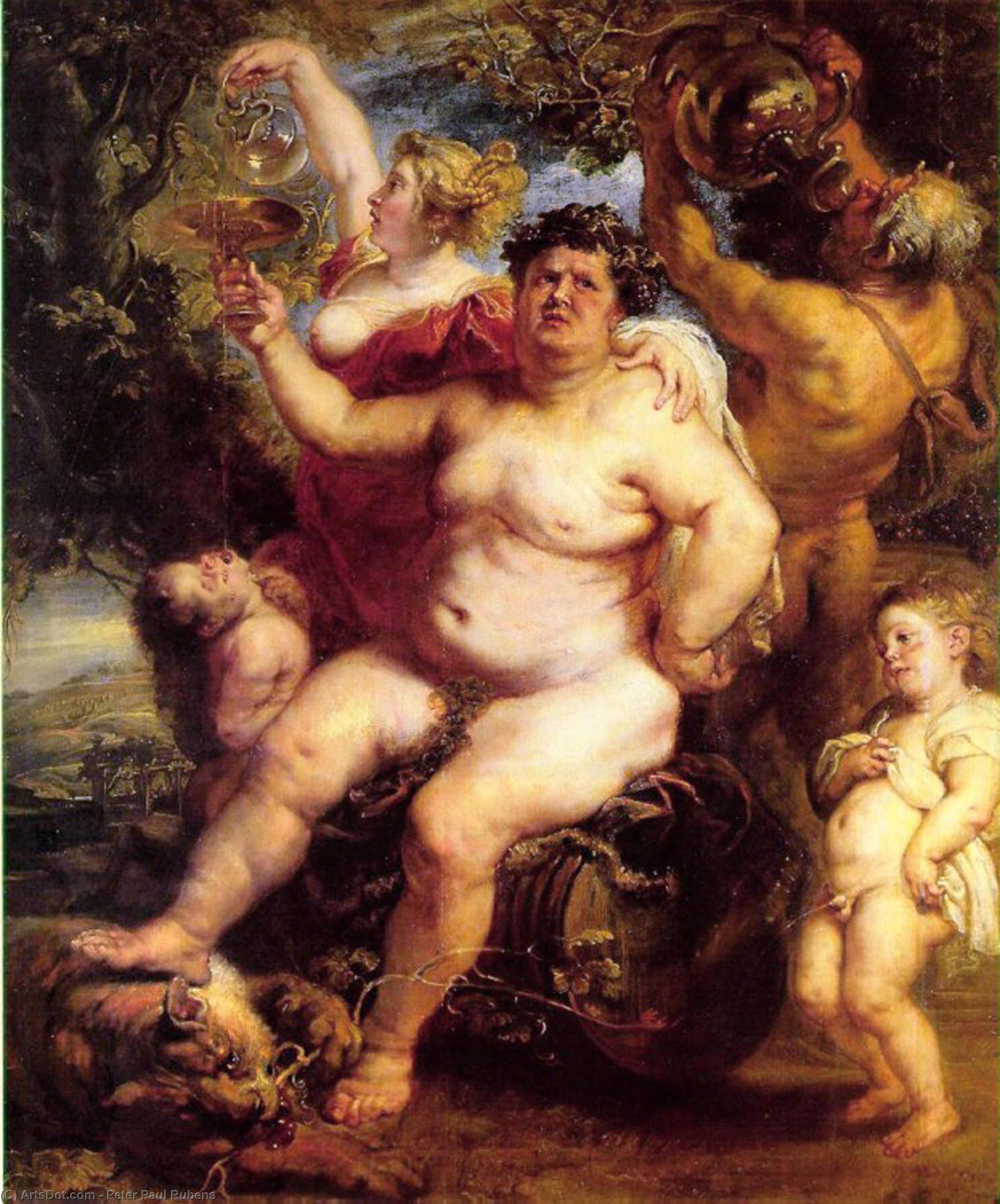
Искусите богату енергију Петра Павла Рубенса у 'Бакусу'! Ова барокна шемија представља Диониса и весељице са богатим бојама, динамичним покретом и класичном митологијом. Приуштавите се дела ретке вредности данас!

Rubens: Бароковски мајстор познат по динамичним композицијама и живим бојама, као и по иконама као што су 'Склоњење Хреста' и 'Подноштво Хреста'. Истражите његов живот и уметност.

Giclee štampa / Umetnički otisak

Giclée štampa ili print na platnu muzejskog kvaliteta uz brzu proizvodnju i fleksibilne opcije završne obrade.

P118B $10
P118H $10
P118W $10
P438Z $10
P508JH $12
P508YH $12
P805H $10
P805Z $10
P919BZ $10
P919G $10
P919XJ $10
P959ZH $10
P968JZ $12
W106C $8
W218G $10
W218JH $8
W218Y $10
W307PJ $10
W316G $10
W316PJ $8
W316Y $10
W398PJ $8
W4111J $10
W500HY $15
W500JH $15
W692G $12
W849H $8
W940BG $15
W953PJ $8

Standard
custom

CM
INCH

Izaberite jednu od naših unapred definisanih veličina koje odgovaraju originalnim proporcijama umetničkog dela.

širina
visina

Možete uneti sopstvene dimenzije kako biste umetničko delo prilagodili specifičnom okviru ili prostoru. Ako odabrani format ne odgovara proporcijama originalne slike, mi ćemo ili iscrtati deo dela ili proširiti sliku pomoću ogledane ivice ili jednobojnog popunjavanja. Digitalni prikaz će vam biti poslat na odobrenje pre početka proizvodnje.
Imajte na umu da pregled na ekranu ne odražava stvarno iscrtavanje ili proširivanje. Samo će prikaz (mockup) precizno pokazati finalnu kompoziciju.
Iako su prilagođene dimenzije dostupne, preporučujemo da odaberete dimenziju sa unapred definisane liste kako biste očuvali originalne proporcije.

Dostava širom sveta () za 2 nedelje umesto uobičajenih 4/5 nedelja. (2 јул)

why_choose_icon
Besplatna ekspresna dostava širom sveta
why_choose_icon
Visokokvalitetno laneno platno
why_choose_icon
Kompletno osiguranje transporta
why_choose_icon
Garancija povraćaja carine i uvoznih dažbina
why_choose_icon
Garancija vernosti boja
why_choose_icon
Politika povrata u roku od 60 dana (samo u slučaju nedostataka)
why_choose_icon
Garancija povrata novca od 100%
why_choose_icon
Popust pri grupnoj kupovini

Ukupna cena

-

reproduction

Бакус

Giclee štampa / Umetnički otisak

Dimenzije reprodukcije

-

Konačna cena

-

Osnovne informacije

  • Artist: Peter Paul Rubens
  • Year: 1638-1640
  • Artistic style: Sensual, dynamic
  • Influences:
    • Caravaggio
    • Mantegna
  • Notable elements: Satyr, putti, wine
  • Title: Bacchus
  • Location: Hermitage Museum

Kviz o umetnosti

Svako pitanje ima samo jedan tačan odgovor.

Pitanje 1:
What is the primary subject depicted in Peter Paul Rubens’ ‘Bacchus’?
Pitanje 2:
Which artistic movement heavily influenced Peter Paul Rubens’ style in ‘Bacchus’?
Pitanje 3:
The painting features several dogs. What is their likely symbolic significance within the scene?
Pitanje 4:
Rubens’ ‘Bacchus’ is considered part of a broader artistic tradition. Which artist's work does it most directly draw inspiration from?
Pitanje 5:
What is a key characteristic of Rubens’ use of color in ‘Bacchus’?

Opis predmeta

Порекло Мајсторвског Производа: Петер Павло Рубенс и Свето Диониса

Петер Павло Рубенс, рођен у Сигену, Германији 1577. године, није био само уметник; он је био канал ка бучном срцу Барокне ере. Његов живот, обележен дипломатском службом и продуктивном стваралачком дејством, кулминирао се у делима која пулдују енергијом, бојама и озбиљним разумевањем човекових емоција – највише својим иконичним ‘Бакусом’. Ово вазное слике није само представљење митолошке сцене; то је иммерзивни искушба, пажљиво грађена сцена која је направљена да пренесе посматрача у одушевљавајући свет Диониса, грчког бога вина, весеља и екстатичне одморе. Рубенс, дубоко утицан класичким идеалима које је сусрео током своје формиративне године у Италији, вешто је комбиновао ове утицаје са драматичном интензитетном стилом карактеристичним за барокну епоху, стварајући дело које је истовремено интелигентно и витално ангажовајуће.

  • Ране Утицајности: Рубенсово путовање у Италију доказало се трансформитивним. Он је изучавао дела гигова као што су Леонардо да Винчи и Микеланђело, апсорбујући њихову мастру у анатомији, перспективи и композицији. Међутим, то је била Каравагијева револуционарна употреба *тенебризма* – драматичних контраста између светлости и сенке – која је заиста запалила његову стварачку искра.
  • Синтеза Стилова: Рубенс није само понашао своје Италијанске претходнике; он је синтезио њихове технике са богатим бојним палетама и динамичним композицијама које су популарне међу фландрским мастрима, стварајући управо моћни стил.

Сцена Се одмотри: Баканал Прекора

‘Бакус’ представља жива састанак – баканал, као што је то случај – пун фигура у различитим стањима весеља и оплеје. Композиција је изузетно динамична, одбацујући статичну формалност у корибно за осећај неограниченог кретања. Видемо мушкарце који се леже на столицама, друге које стоје или чак леже на поду међу разбацаним чашицама и преливајућим винским буцанима. Централна фигура, неизбежно Бакус, држи гобелен, емитујући ауру моћи и убогоће. Укључивање двег пса – један близу левог дела слике, други ближе десној страни – додаје живој енергији слике, сасвим тајноreferenceujući бога златне инстинкта и дивљиности.

Bacchus by Peter Paul Rubens

(Изображене Бакуса од Петер Паул Рубенс)

Декодирање Симболизма: Мит, Вино и Човечанство

Поред своје непосредне визуелне лепоте, ‘Бакус’ је напуњен симболишким значењем. Слика директно одговара грчком миту о Дионису, богу често представљену као да носи обележја божанске моћи и човечне убогоће. Преливан вино симболизује оплевање, прекомерност и размањење граница између стварности и илузије. Фигуре сами по себи представљају различите аспекте човекове природе – љубав за забавом, индилогија и чак мало лудила. Напомињемо да Рубенс вешто приказује игру емоција: смех, оплевање, сензуалност и можда чак и неку дирну депресију. Слика није само слави вино; она испитује сложен однос између човечанства и његових жеља.

Наслеђе у Уметничкој Историји: Повезивање и Упоређивање

Рубенсов ‘Бакус’ ставио је пику у ширем обиму митолошких слика, ехо ранијих представљања од стране уметника као што су Каравађо и Тицијан. Каравагијева сопствена ‘Бакус’, са својим сталним контрастима светлости и сенке и драматичним приказом оплеве, има сличну интензитет. Истакнуто је да Рубенсов *Баканал Андриански*, такође у Хемингету, показује јасну линију утицаја. Заједничким изучавањем ових дела откривамо како је Рубенс градио на основама које су га претходници положили док је стварао свој одликујући уметнички глас. Они који желе да се дубље углубе у свет Рубена и његових савременика, охрабрујемо вас да истражите ресурсе које смо пружили: Каравађо (Микелангло Мериси): Бакус и Петер Павло Рубенс: Баканал на Андросу на WahooArt.

movement: Барокна topics: Бакус, Дионис, Вино, Весеље, Мит, Рубенс, Барокна, Оплевање creative_period: Зрело Период corpus_context: Каравађо, ренесансни мастри, класична антика, баканал тема, динамизам Рубена, истраживање сензуалности, грчка митологија, дионисови фестивали

Srodna umetnička dela


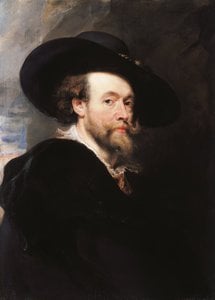
Biografija umetnika

Sir Peter Paul Rubens: A Baroque Master!

Peter Paul Rubens, a name that resonates with the very essence of Baroque dynamism, was far more than simply a painter. He was a diplomat, a scholar, and a cultural architect who fundamentally reshaped the artistic landscape of 17th-century Europe. Born in Siegen, Germany, in 1577, his early life was marked by displacement—a formative experience that would subtly permeate his later work with an undercurrent of drama and emotional depth. His father, Jan Rubens, a lawyer fleeing religious persecution for his Calvinist beliefs, uprooted the family from their native Antwerp, then under Spanish rule. This initial exile instilled in young Peter Paul a sense of resilience and adaptability, qualities that would serve him well throughout his multifaceted career. Following his father’s death in 1587, the family returned to Antwerp, where he received a humanist education before embarking on his artistic training around 1590, apprenticing under Tobias Verhaecht and Adam van Noort, honing foundational skills in drawing and painting techniques. However, it was his time with Otto van Veen that proved pivotal, exposing him to the rich legacy of Italian Renaissance art—a world he would soon embrace wholeheartedly.

The Italian Awakening and Artistic Synthesis

In 1600, Rubens embarked on a transformative journey to Italy, a pilgrimage that irrevocably shaped his artistic vision. For eight years, he immersed himself in the masterpieces of Michelangelo, Raphael, and Titian, absorbing their mastery of form, color, and composition. The influence of these Renaissance giants is readily apparent in his early Italian works, characterized by classical themes and idealized figures. Yet, Rubens didn’t merely imitate; he synthesized these influences with his own innate talent, developing a distinctive style marked by vibrant hues, dynamic compositions, and a sensuous depiction of the human form. He studied anatomy meticulously, resulting in figures that possessed both physical realism and emotional power—robust bodies imbued with life and movement. This period wasn’t solely about artistic development; it was a profound intellectual awakening, fostering a deep appreciation for classical mythology and literature which would become recurring motifs throughout his oeuvre. Upon returning to Antwerp in 1608, Rubens swiftly established himself as the leading artist of his time, receiving a flood of commissions that testified to his burgeoning reputation and solidifying his position at the forefront of Flemish art.

A Master of Many Forms: Painting Beyond Boundaries

Rubens’s artistic output was astonishingly diverse and prolific. He didn't confine himself to a single genre; instead, he excelled in history paintings, mythological scenes, portraits, landscapes, and religious works—a testament to his versatility and boundless creativity. His large-scale canvases, often intended for churches, palaces, and public spaces, were breathtaking displays of technical virtuosity and dramatic storytelling. The Descent from the Cross (c. 1616-1617) exemplifies his masterful use of light and shadow to create a scene of profound emotional intensity, drawing viewers into the heart of the narrative. The Raising of the Cross (1610-1611), with its swirling figures and dynamic composition, showcases his ability to convey movement and energy—a hallmark of his Baroque style. Even in seemingly static subjects like The Judgement of Paris (c. 1636), Rubens infused a sense of life and vitality through his vibrant color palette and sensual depiction of the human form. His technique was equally remarkable – a masterful command of oil painting, employing impasto to create texture and depth, alongside delicate glazing techniques to achieve luminous effects. He frequently employed allegorical figures and symbolic imagery, layering narratives with complex meanings that invited contemplation and interpretation.

Diplomacy, Legacy, and Enduring Influence

Rubens’s influence extended far beyond the realm of art. His diplomatic skills were highly sought after by the Southern Netherlands (modern-day Belgium), and he undertook numerous missions to England, France, and Spain, negotiating treaties and fostering political alliances—a unique dual role that afforded him a nuanced perspective on European affairs and further enhanced his reputation as a man of intellect and influence. In 1622 he was commissioned by Maria de Medici, where he was quickly forced to hone a new skill set—the political maneuver. Cardinal Richelieu hated him, Maria was unpredictable, and the project eventually fell apart, leaving many works uncompleted. But Rubens still brought home a commission. After the death of his first wife in 1625, Rubens traveled again, this time wielding his skill in painting as a diplomatic tool. He traveled to England to work for King Charles I. In both France and England, Rubens arrived as a painter and left as a confidant of the powerful and dangerous. In his travels he negotiated allegiances for Isabella Clara Eugenia, the governor of the Spanish Netherlands. In exchange, Isabella bestowed knighthood on her loyal painter, and the artist became Sir Peter Paul Rubens. He continued to paint prolifically until his death in Antwerp in 1640, leaving behind a vast legacy that continues to inspire awe and admiration. His impact on subsequent generations of artists is immeasurable; painters like Anthony van Dyck, Jacob Jordaens, and Eugène Delacroix all drew inspiration from his dynamic compositions, vibrant colors, and sensuous figures. Rubens didn’t just define the Baroque style—he elevated painting to a new level of prestige and influence, solidifying Antwerp as a major center of artistic production during the 17th century. He remains, centuries later, a towering figure in the history of art, a testament to the power of human creativity and the enduring allure of Baroque splendor.

Key Characteristics of Rubens’s Style

  • Dynamic Composition: Rubens' paintings are known for their energetic and dramatic arrangements of figures.
  • Vibrant Color Palette: He employed a rich, warm color scheme that brought his canvases to life.
  • Sensuous Figures: His depictions of the human form were characterized by fullness, vitality, and often, overt sensuality.
  • Masterful Use of Light and Shadow: Rubens skillfully manipulated light and shadow to create depth, drama, and emotional impact.
  • Allegorical Symbolism: His works frequently incorporated allegorical figures and symbolic imagery, adding layers of meaning and complexity.
Сэр Пјетр Паул Рубенс

Сэр Пјетр Паул Рубенс

1577 - 1640 , Германија

Osnovne informacije

  • Artistic Movement Or Style: Барок
  • Artists Who Influenced This Artist:
    • Микеланђело
    • Рафаел
    • Тицијан
  • Date Of Birth: 28. јун 1577.
  • Date Of Death: 30. мај 1640.
  • Full Name: Sir Peter Paul Rubens
  • Nationality: Фламањец
  • Notable Artworks:
    • Десица из Хреста
    • Подношље Хреста
    • Портрет Изабеле Брант
  • Place Of Birth: Сијеген, Германија
Istražite umetnička dela organizovana prema temama, stilovima i karakteristikama.