Pregledaj u prostoru Isprobaj u AR-u Naručite ručno oslikano reprodukciju Pređi na prodaju digitalnih slika Podeli
Detalji Vodič Dodaj u omiljene Preuzmi sliku Slični predmeti Rendgenski snimak Automatska prezentacija Statistika

Window

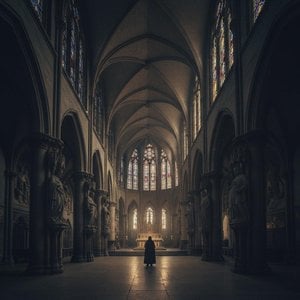
Simone Martini био је иновативни сенески сликар који је обележио крај средњег века и почетак ренесансе својим елегантним стилом и прецизним детаљима, као што су Маеста и други велики спорови.

Giclee štampa / Umetnički otisak

Giclée štampa ili print na platnu muzejskog kvaliteta uz brzu izradu i raznovrsne opcije završne obrade. ( Naručite ručno oslikano reprodukciju Pređi na prodaju digitalnih slika)

Corner sample of the P118B picture frame: moulded polystyrene, 5 cm wide and 3 cm thick
P118B дин10
Corner sample of the P118H picture frame: moulded polystyrene, 5 cm wide and 3 cm thick
P118H дин10
Corner sample of the P118W picture frame: moulded polystyrene, 5 cm wide and 3 cm thick
P118W дин10
Corner sample of the P438Z picture frame: moulded polystyrene, 5.5 cm wide and 3.5 cm thick
P438Z дин10
Corner sample of the P508JH picture frame: moulded polystyrene, 7 cm wide and 3.5 cm thick
P508JH дин12
Corner sample of the P508YH picture frame: moulded polystyrene, 7 cm wide and 3.5 cm thick
P508YH дин12
Corner sample of the P805H picture frame: moulded polystyrene, 5 cm wide and 3.5 cm thick
P805H дин10
Corner sample of the P805Z picture frame: moulded polystyrene, 5 cm wide and 3.5 cm thick
P805Z дин10
Corner sample of the P919BZ picture frame: moulded polystyrene, 7 cm wide and 3.5 cm thick
P919BZ дин10
Corner sample of the P919G picture frame: moulded polystyrene, 7 cm wide and 3.5 cm thick
P919G дин10
Corner sample of the P919XJ picture frame: moulded polystyrene, 7 cm wide and 3.5 cm thick
P919XJ дин10
Corner sample of the P959ZH picture frame: moulded polystyrene, 5 cm wide and 3 cm thick
P959ZH дин10
Corner sample of the P968JZ picture frame: moulded polystyrene, 6 cm wide and 4 cm thick
P968JZ дин12
Corner sample of the W106C picture frame: solid wood, 5 cm wide and 3 cm thick
W106C дин8
Corner sample of the W218G picture frame: solid wood, 5 cm wide and 3 cm thick
W218G дин10
Corner sample of the W218JH picture frame: solid wood, 5 cm wide and 3 cm thick
W218JH дин8
Corner sample of the W218Y picture frame: solid wood, 5 cm wide and 3 cm thick
W218Y дин10
Corner sample of the W307PJ picture frame: solid wood, 6 cm wide and 3 cm thick
W307PJ дин10
Corner sample of the W316G picture frame: solid wood, 6 cm wide and 3 cm thick
W316G дин10
Corner sample of the W316PJ picture frame: solid wood, 6 cm wide and 3 cm thick
W316PJ дин8
Corner sample of the W316Y picture frame: solid wood, 6 cm wide and 3 cm thick
W316Y дин10
Corner sample of the W398PJ picture frame: solid wood, 5 cm wide and 3 cm thick
W398PJ дин8
Corner sample of the W4111J picture frame: solid wood, 6.5 cm wide and 3.5 cm thick
W4111J дин10
Corner sample of the W500HY picture frame: solid wood, 7 cm wide and 5 cm thick
W500HY дин15
Corner sample of the W500JH picture frame: solid wood, 7 cm wide and 5 cm thick
W500JH дин15
Corner sample of the W692G picture frame: solid wood, 8 cm wide and 4 cm thick
W692G дин12
Corner sample of the W849H picture frame: solid wood, 5 cm wide and 3 cm thick
W849H дин8
Corner sample of the W940BG picture frame: solid wood, 7.5 cm wide and 4.5 cm thick
W940BG дин15
Corner sample of the W953PJ picture frame: solid wood, 6 cm wide and 3.5 cm thick
W953PJ дин8

Standardne dimenzije
po meri
CM
INCH

Izaberite jednu od naših unapred definisanih veličina koje odgovaraju originalnim proporcijama umetničkog dela.

širina
visina

Možete uneti sopstvene dimenzije kako biste umetničko delo prilagodili specifičnom okviru ili prostoru. Ako odabrani format ne odgovara proporcijama originalne slike, mi ćemo ili iscrtati deo dela ili proširiti sliku pomoću ogledane ivice ili jednobojnog popunjavanja. Digitalni prikaz će vam biti poslat na odobrenje pre početka proizvodnje.
Imajte na umu da pregled na ekranu ne odražava stvarno iscrtavanje ili proširivanje. Samo će prikaz (mockup) precizno pokazati finalnu kompoziciju.
Iako su prilagođene dimenzije dostupne, preporučujemo da odaberete dimenziju sa unapred definisane liste kako biste očuvali originalne proporcije.

Dostava širom sveta () za 2 nedelje umesto uobičajenih 4/5 nedelja. (10 октобар)

Besplatna ekspresna dostava širom sveta
Visokokvalitetno laneno platno
Sveobuhvatno osiguranje transporta
Garancija povraćaja carine i uvoznih dažbina
Garancija vernosti boja i autentičnosti pri reprodukciji
Politika povraćaja u roku od 100 dana (samo u slučaju nedostataka)
Garancija povrata 100% novca
Popust pri većoj količini

Ukupna cena

дин 6865

Window

Giclee štampa / Umetnički otisak

Veličina reprodukcije

-

Ukupna cena

дин 6865

Brzi pregled

  • Artistic style: Elegant; refined; decorative
  • Medium: Glass enamel
  • Title: Window
  • Dimensions: 570 x 400 cm
  • Notable elements or techniques: Complex stained glass design; meticulous detail.
  • Influences: Duccio di Buoninsegna
  • Movement: International Gothic

A Window Into Gothic Elegance: Simone Martini’s Masterpiece

Simone Martini's "Window," completed around 1312, transcends mere depiction; it embodies the very spirit of International Gothic art—a movement that sought to synthesize medieval piety with humanist sensibilities. Executed in Siena during a period marked by burgeoning artistic innovation and papal patronage, this luminous stained glass panel offers an unparalleled glimpse into the aesthetic ideals of its time. Martini’s skill wasn't simply in capturing light; he meticulously crafted an illusion of depth and vibrancy, reflecting the profound influence of Giotto di Bondone—the Florentine pioneer who revolutionized painting with his groundbreaking naturalism—yet firmly rooted in the traditions of Sienese craftsmanship.
  • Subject Matter & Composition: The artwork portrays a stylized depiction of a window, an element frequently utilized in religious iconography to symbolize divine illumination and transcendence. Martini’s careful arrangement emphasizes circular forms – prominent in the central medallion—representing wholeness and eternity, mirroring theological concepts prevalent during the era.
  • Style & Technique: Martini's approach aligns perfectly with International Gothic style, characterized by exquisite detail, refined ornamentation, and a subtle blending of realism and abstraction. The artist employed tempera paint on panel, a technique known for its luminosity and ability to achieve remarkable tonal gradations—essential for conveying the ethereal quality of stained glass.
The vibrant palette—dominated by blues, golds, reds, greens, and purples—is not merely decorative; it speaks to the symbolic language of medieval art. Blue, representing heaven and divine grace, is skillfully interwoven with gold, symbolizing royalty and spiritual illumination. These colors harmonize to create an atmosphere of solemn beauty, inviting contemplation and fostering a connection to the sacred. Historical Context: Siena during Martini’s lifetime was a crucible of artistic fervor, fueled by papal commissions and driven by a desire to elevate visual culture. The panel's creation coincided with a period of intense religious devotion—the Fourth Crusade had just concluded, reshaping European geopolitics—and Martini’s work reflects this preoccupation with spiritual themes. It stands as testament to the enduring power of art to communicate profound ideas and emotions across centuries.
  • Symbolism: Beyond its visual splendor, “Window” carries symbolic weight. The circular motifs underscore the concept of God’s omnipresence and divine unity—a cornerstone of Christian theology. Martini's meticulous attention to detail elevates the artwork beyond mere representation, transforming it into a vehicle for conveying spiritual truths.
  • Emotional Impact: Viewing Martini’s “Window” evokes a sense of serenity and wonder. The luminous colors and intricate patterns inspire contemplation—a hallmark of Gothic art—and transport the viewer to a realm of ethereal beauty. It's a piece that speaks to the human desire for transcendence and reminds us of the enduring legacy of artistic excellence.
A reproduction of Simone Martini’s “Window” offers an exceptional opportunity to bring this masterpiece into your home, capturing its breathtaking artistry and conveying its timeless spiritual resonance. Its vibrant colors and masterful technique will undoubtedly enrich any interior space—a window onto a world of Gothic elegance and enduring artistic inspiration.

Pitanja i odgovori

U kojim godinama je Симеон Матињи stvorio/la "Window"?

Kada je delo "Window" nastalo 1312. godine, Симеон Матињи – rođen/a 1284. godine – imao/la je 28 godina.

U kojoj fazi karijere Симеон Матињи pripada delo "Window", s obzirom na njegov datum nastanka?

"Window", nastalo 1312. godine, pripada Mature Period u karijeri umetnika Симеон Матињи.

Ko je kreirao "Window"?

Umetnik koji stoji iza dela "Window" je Симеон Матињи. Delo je katalogizovano pod imenom umetnika Симеон Матињи.

Iz koje zemlju potiče International Gothic rad "Window"?

Delo "Window" delo je Симеон Матињи, rođenog u Италија, u okviru pokreta International Gothic. Poreklom umetnika, ovo delo se povezuje sa International Gothic stilom kakav su zastupali umetnici iz Италија.

Gde mogu pronaći statistiku o delu „Window”, Симеон Матињи?

Stranica Statistika za delo „Window”, Симеон Матињи prikazuje statistiku javnih poseta: mesečne posete ovom umetničkom delu, poređenje sa najgledanijim radovima ovog umetnika i poreklom posetilaca.

U kojoj godini je nastalo delo „Window”, Симеон Матињи?

„Window“ potiče iz 1312. Ovaj datum smešta delo u okviru karijere umetnika Симеон Матињи i njegove ere.

Šta objašnjava status autorskih prava za „Window”, Симеон Матињи?

Status autorskih prava za delo "Window" - u javnom vlasništvu – autorska prava su istekla - proizilazi iz smrti umetnika 1344.


Biografija umetnika

Simone Martini – Maestro dell’Eleganza e della Grazia

Simone Martini, nato intorno al 1284 nella città di Siena, Italia, rappresenta una figura chiave nella transizione dall'arte medievale a quella rinascimentale. Non fu solo un pittore; architetto dell'eleganza, maestro della linea e del colore che infondeva ai suoi lavori una raffinatezza cortese che lo distingueva dai contemporanei come Giotto. Storicamente, i suoi primi anni di formazione sono oggetto di alcune controversie: alcuni suggeriscono un apprendistato presso Duccio di Buoninsegna, il più importante artista sienese dell'epoca, mentre altri fanno riferimento a Firenze e all'influenza di Giotto – Martini ebbe senza dubbio una strada artistica unica.

L’Influenza della Via Francigena e delle Correnti Artistiche Francesi

Lo stile di Martini si distingue immediatamente dalla monumentalità favorita a Firenze. Abbracciò una sensibilità delicata, caratterizzata da linee fluide, dettagli decorativi morbidi e un senso generale di grazia. Questa estetica non nacque in isolamento; fu profondamente influenzata dalle forze esterne. La Via Francigena, importante percorso di pellegrinaggio attraversante l'Europa, portò con sé correnti artistiche dalla Francia – in particolare l’eleganza raffinata dell’illuminazione manoscritta e della scultura in avorio francese. Queste influenze sono immediatamente evidenti nell’opera di Martini, manifestandosi in motivi intricati, figure allungate e un’attenzione elevata alla decorazione superficiale. Martini non copiò semplicemente questi stili; li sintetizzò con le tradizioni artistiche esistenti a Siena creando qualcosa di completamente nuovo.

Lo Stile Internazionale Gotico: Una Sintesi Innovativa

Le opere di Martini sono caratterizzate dallo stile internazionale gotico, una corrente artistica che si distingue per l’eleganza, la raffinatezza e l’enfasi sui dettagli decorativi. Questo stile fu influenzato dalle tradizioni artistiche italiane del periodo precedente e dalla cultura francese dell'epoca.

Il Maestà: Un Capolavoro di Raffinatezza

La più celebre delle opere di Martini è senza dubbio la Maestà, affresco realizzato nel Palazzo Pubblico di Siena nel 1315. Questo ciclo pittorico rappresenta una pietra miliare nella storia dell'arte italiana e testimonia l’abilità artistica di Martini nel creare composizioni armoniosi e immagini ricche di emozione.

Simone Martini: Un Maestro della Pittura Monumentale

La Maestà è un esempio perfetto dello stile internazionale gotico, caratterizzato dall’uso di colori brillanti e illuminazione drammatica. Questo stile fu influenzato dalle tradizioni artistiche italiane del periodo precedente e dalla cultura francese dell'epoca.

Simone Martini: Vita e Opere Principali

Simone Martini ebbe una vita relativamente breve ma intensa, trascorsa principalmente a Siena e Firenze. Fu attivo come pittore, architetto e teorico dell’arte, contribuendo in modo significativo alla diffusione dello stile internazionale gotico e all'evoluzione della cultura rinascimentale.

Simone Martini: Un Legato Duraturo

L’opera di Simone Martini continua ad affascinare gli spettatori di tutto il mondo con la sua bellezza senza pari, armoniosa composizione e senso eterno dell’eleganza. È considerato uno dei più grandi artisti del suo tempo e un punto di riferimento per le generazioni successive di pittori.

Симеон Матињи

Симеон Матињи

1284 - 1344 , Италија

Brzi pregled

  • Artistic Movement Or Style: Интернационална готичка стил
  • Artists Who Influenced This Artist:
    • Дуче ди Буонињегна
    • Џиото ди Бондоне
  • Date Of Birth: c. 1284
  • Date Of Death: 1344
  • Full Name: Simone Martini
  • Nationality: Италијански
  • Notable Artworks:
    • Свети Луј Кронување Роберт
    • Света Катарине Полиптих
    • Аннунсијација (Уфизи)
    • Консекрација на капела
  • Place Of Birth: Siena, Italy
Istražite umetnička dela organizovana prema temama, stilovima i karakteristikama.