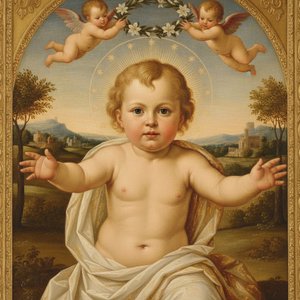
Saviour Blessing (detail) (1341) by Симеон Матињи, hand-painted oil painting reproduction by a master artist
Pregledaj u prostoru AR pregled Pređi na štampu Pređi na digitalnu sliku Pošalji
Detalji o delu Vodič Dodaj u omiljene Preuzmi Slični predmeti Rendgenski snimak Automatska prezentacija Q&A Statistika

Saviour Blessing (detail) Hand-painted oil painting reproduction

Simone Martini био је иновативни сенески сликар који је обележио крај средњег века и почетак ренесансе својим елегантним стилом и прецизним детаљима, као што су Маеста и други велики спорови.

Ručno rađena uljana reprodukcija

Ručno oslikano uljanim bojama na platnu u dimenzijama i okviru po vašem izboru, izrađeno po porudžbini od strane naših umetnika. ( Pređi na štampu Pređi na digitalnu sliku)

Corner sample of the P118B picture frame: oblikovani polistiren, 5 cm wide and 3 cm thick
P118B дин10
Corner sample of the P118H picture frame: oblikovani polistiren, 5 cm wide and 3 cm thick
P118H дин10
Corner sample of the P118W picture frame: oblikovani polistiren, 5 cm wide and 3 cm thick
P118W дин10
Corner sample of the P438Z picture frame: oblikovani polistiren, 5.5 cm wide and 3.5 cm thick
P438Z дин10
Corner sample of the P508JH picture frame: oblikovani polistiren, 7 cm wide and 3.5 cm thick
P508JH дин12
Corner sample of the P508YH picture frame: oblikovani polistiren, 7 cm wide and 3.5 cm thick
P508YH дин12
Corner sample of the P805H picture frame: oblikovani polistiren, 5 cm wide and 3.5 cm thick
P805H дин10
Corner sample of the P805Z picture frame: oblikovani polistiren, 5 cm wide and 3.5 cm thick
P805Z дин10
Corner sample of the P919BZ picture frame: oblikovani polistiren, 7 cm wide and 3.5 cm thick
P919BZ дин10
Corner sample of the P919G picture frame: oblikovani polistiren, 7 cm wide and 3.5 cm thick
P919G дин10
Corner sample of the P919XJ picture frame: oblikovani polistiren, 7 cm wide and 3.5 cm thick
P919XJ дин10
Corner sample of the P959ZH picture frame: oblikovani polistiren, 5 cm wide and 3 cm thick
P959ZH дин10
Corner sample of the P968JZ picture frame: oblikovani polistiren, 6 cm wide and 4 cm thick
P968JZ дин12
Corner sample of the W106C picture frame: masivno drvo, 5 cm wide and 3 cm thick
W106C дин8
Corner sample of the W218G picture frame: masivno drvo, 5 cm wide and 3 cm thick
W218G дин10
Corner sample of the W218JH picture frame: masivno drvo, 5 cm wide and 3 cm thick
W218JH дин8
Corner sample of the W218Y picture frame: masivno drvo, 5 cm wide and 3 cm thick
W218Y дин10
Corner sample of the W307PJ picture frame: masivno drvo, 6 cm wide and 3 cm thick
W307PJ дин10
Corner sample of the W316G picture frame: masivno drvo, 6 cm wide and 3 cm thick
W316G дин10
Corner sample of the W316PJ picture frame: masivno drvo, 6 cm wide and 3 cm thick
W316PJ дин8
Corner sample of the W316Y picture frame: masivno drvo, 6 cm wide and 3 cm thick
W316Y дин10
Corner sample of the W398PJ picture frame: masivno drvo, 5 cm wide and 3 cm thick
W398PJ дин8
Corner sample of the W4111J picture frame: masivno drvo, 6.5 cm wide and 3.5 cm thick
W4111J дин10
Corner sample of the W500HY picture frame: masivno drvo, 7 cm wide and 5 cm thick
W500HY дин15
Corner sample of the W500JH picture frame: masivno drvo, 7 cm wide and 5 cm thick
W500JH дин15
Corner sample of the W692G picture frame: masivno drvo, 8 cm wide and 4 cm thick
W692G дин12
Corner sample of the W849H picture frame: masivno drvo, 5 cm wide and 3 cm thick
W849H дин8
Corner sample of the W940BG picture frame: masivno drvo, 7.5 cm wide and 4.5 cm thick
W940BG дин15
Corner sample of the W953PJ picture frame: masivno drvo, 6 cm wide and 3.5 cm thick
W953PJ дин8

Standardne dimenzije
po meri
CM
INCH

Izaberite jednu od naših unapred definisanih veličina koje odgovaraju originalnim proporcijama umetničkog dela.

širina
visina

Unesite potrebnu širinu i visinu kako bi se slika uklopila u vaš ram ili zid. Pošto je ovo ručno oslikano delo, umetnik može za dimenzije drugačijeg oblika naslikati malo više prostora oko slike ili malo skratiti ivice — izbor je na vama. Pre početka rada, poslaćemo vam digitalni prikaz radi potvrde. Slika prikazana na ovoj stranici ne predstavlja konačan rezultat — samo digitalni prikaz pokazuje stvarnu sliku.

Primeri mogućih izmena: Zamena lica fotografijom kupca; Dodavanje ljubimca (npr. zamena mačke psom); Uključivanje skrivene poruke u pozadini; Promena pejzaža ili elemenata pozadine.
Nakon narudžbine, tim WahooArt.com će klijentu putem e-pošte poslati uputstva i dostaviti prikaz predloženog rešenja

Svetska isporuka () za 3/4 nedelje umesto uobičajenih 5 nedelja. (1 новембар). Bez kompromisa po pitanju kvaliteta.

Besplatna ekspresna dostava širom sveta
Visokokvalitetno laneno platno
Potpuno osiguranje transporta
Garancija povraćaja carine i uvoznih dažbina
Garancija vernosti boja
Politika povraćaja u roku od 100 dana (samo u slučaju nedostataka)
Garancija povrata 100% novca
Popust na više proizvoda

Ukupna cena

дин 28335

Saviour Blessing (detail)

Tehnika reprodukcije

Dimenzije reprodukcije

-

Ukupna cena

дин 28335

Osnovne informacije

  • Title: Saviour Blessing (detail)
  • Subject or theme: Religious scene
  • Artist: Simone Martini
  • Notable elements: Intricate details
  • Artistic style: Elegance & Grace

Kviz o umetnosti

Svako pitanje ima samo jedan tačan odgovor.

Pitanje 1:
Simone Martini is primarily associated with which artistic movement?
Pitanje 2:
The painting depicts a scene featuring Jesus and a child. What is the primary emotion conveyed in this image?
Pitanje 3:
Which of the following best describes Simone Martini's artistic style?
Pitanje 4:
Simone Martini frequently collaborated with which artist?

A Tender Moment Frozen in Time: Simone Martini’s “Saviour Blessing”

Simone Martini's "Saviour Blessing," painted in 1341, is more than just a depiction of religious iconography; it’s a profound meditation on love, grace, and the nascent promise of humanity. This exquisite detail from the larger panel—a work often associated with the Tournus Hours—captures a fleeting moment of serene intimacy between Jesus Christ and the infant John the Baptist. The painting immediately draws the viewer in with its astonishing level of craftsmanship, a testament to Martini’s mastery of Sienese artistic tradition. Notice first the meticulous rendering of textures – the heavy folds of Jesus' robe, the delicate softness of the baby’s skin, the intricate patterns adorning the background—all executed with a painstaking attention to detail that speaks volumes about the artist’s dedication and skill.

The Elegance of Sienese Style

Martini's style is deeply rooted in the flourishing artistic environment of Siena during the 14th century. He inherited a legacy of vibrant color, refined line, and an emphasis on elegance that distinguished his work from the more naturalistic approaches emerging elsewhere in Italy. Unlike Giotto’s early explorations of realism, Martini prioritized a stylized beauty, imbuing his figures with a courtly grace reminiscent of illuminated manuscripts. The influence of Duccio di Buoninsegna, a key figure in Sienese painting, is palpable – particularly in the use of gold leaf and the overall luminosity of the scene. However, Martini transcends mere imitation; he developed a distinctly personal style characterized by a heightened sense of movement and an almost dreamlike quality to his compositions.

  • Color Palette: The painting utilizes a rich palette dominated by deep blues, reds, and golds – colors associated with royalty, divinity, and spiritual significance.
  • Line Work: Martini’s signature is his incredibly precise line work, creating an illusion of depth and volume through subtle variations in contour.
  • Gold Leaf: The extensive use of gold leaf not only adds to the painting's visual splendor but also symbolizes divine light and holiness.

Symbolism and Narrative Depth

Beyond its aesthetic beauty, “Saviour Blessing” is laden with symbolic meaning. Jesus’ posture—kneeling, cradling the infant—evokes images of protective guardianship and paternal love. The gesture of blessing, a traditional sign of grace and benediction, reinforces this message. John the Baptist, though small in scale, represents the future hope of salvation, foreshadowing Christ's mission. The background, filled with intricate geometric patterns and stylized architectural elements, is not merely decorative; it serves to elevate the central figures, creating a sense of sacred space. The inclusion of other figures, partially visible in the distance, suggests a larger narrative context—perhaps the presentation of the child to the Virgin Mary—adding layers of complexity to the scene.

A Window into Medieval Devotion

Painted during a period of intense religious fervor, “Saviour Blessing” reflects the profound piety that permeated medieval society. The image was likely intended for liturgical use, adorning the pages of a prayer book and serving as a visual aid for contemplation. It speaks to the deeply held beliefs about the Virgin Mary’s role in salvation history and the importance of fostering compassion and care for the vulnerable. The painting's exquisite detail and emotional resonance offer a rare glimpse into the spiritual world of 14th-century Europe, inviting viewers to connect with a timeless message of love and hope. WahooArt offers meticulously crafted reproductions that faithfully capture the beauty and artistry of this remarkable masterpiece, allowing you to bring its serene grace into your home or studio.

Pitanja i odgovori

Za koju prostoriju se preporučuje „Saviour Blessing (detail)”, autor Симеон Матињи?

Reprodukcija dela "Saviour Blessing (detail)" odlično se uklapa u Living Room.

Koja je paleta boja u delu "Saviour Blessing (detail)"?

Paleta dela „Saviour Blessing (detail)”, autor Симеон Матињи opisana je kao Neutrals, što predstavlja sažet prikaz boja ovog umetničkog dela.

Da li je "Saviour Blessing (detail)" u celini svetliji ili tamniji?

Za delo „Saviour Blessing (detail)”, autor Симеон Матињи zabeležena je osvetljenost od brilliant, uz luminancu od Bright Balance.


Biografija umetnika

Simone Martini – Maestro dell’Eleganza e della Grazia

Simone Martini, nato intorno al 1284 nella città di Siena, Italia, rappresenta una figura chiave nella transizione dall'arte medievale a quella rinascimentale. Non fu solo un pittore; architetto dell'eleganza, maestro della linea e del colore che infondeva ai suoi lavori una raffinatezza cortese che lo distingueva dai contemporanei come Giotto. Storicamente, i suoi primi anni di formazione sono oggetto di alcune controversie: alcuni suggeriscono un apprendistato presso Duccio di Buoninsegna, il più importante artista sienese dell'epoca, mentre altri fanno riferimento a Firenze e all'influenza di Giotto – Martini ebbe senza dubbio una strada artistica unica.

L’Influenza della Via Francigena e delle Correnti Artistiche Francesi

Lo stile di Martini si distingue immediatamente dalla monumentalità favorita a Firenze. Abbracciò una sensibilità delicata, caratterizzata da linee fluide, dettagli decorativi morbidi e un senso generale di grazia. Questa estetica non nacque in isolamento; fu profondamente influenzata dalle forze esterne. La Via Francigena, importante percorso di pellegrinaggio attraversante l'Europa, portò con sé correnti artistiche dalla Francia – in particolare l’eleganza raffinata dell’illuminazione manoscritta e della scultura in avorio francese. Queste influenze sono immediatamente evidenti nell’opera di Martini, manifestandosi in motivi intricati, figure allungate e un’attenzione elevata alla decorazione superficiale. Martini non copiò semplicemente questi stili; li sintetizzò con le tradizioni artistiche esistenti a Siena creando qualcosa di completamente nuovo.

Lo Stile Internazionale Gotico: Una Sintesi Innovativa

Le opere di Martini sono caratterizzate dallo stile internazionale gotico, una corrente artistica che si distingue per l’eleganza, la raffinatezza e l’enfasi sui dettagli decorativi. Questo stile fu influenzato dalle tradizioni artistiche italiane del periodo precedente e dalla cultura francese dell'epoca.

Il Maestà: Un Capolavoro di Raffinatezza

La più celebre delle opere di Martini è senza dubbio la Maestà, affresco realizzato nel Palazzo Pubblico di Siena nel 1315. Questo ciclo pittorico rappresenta una pietra miliare nella storia dell'arte italiana e testimonia l’abilità artistica di Martini nel creare composizioni armoniosi e immagini ricche di emozione.

Simone Martini: Un Maestro della Pittura Monumentale

La Maestà è un esempio perfetto dello stile internazionale gotico, caratterizzato dall’uso di colori brillanti e illuminazione drammatica. Questo stile fu influenzato dalle tradizioni artistiche italiane del periodo precedente e dalla cultura francese dell'epoca.

Simone Martini: Vita e Opere Principali

Simone Martini ebbe una vita relativamente breve ma intensa, trascorsa principalmente a Siena e Firenze. Fu attivo come pittore, architetto e teorico dell’arte, contribuendo in modo significativo alla diffusione dello stile internazionale gotico e all'evoluzione della cultura rinascimentale.

Simone Martini: Un Legato Duraturo

L’opera di Simone Martini continua ad affascinare gli spettatori di tutto il mondo con la sua bellezza senza pari, armoniosa composizione e senso eterno dell’eleganza. È considerato uno dei più grandi artisti del suo tempo e un punto di riferimento per le generazioni successive di pittori.

Симеон Матињи

Симеон Матињи

1284 - 1344 , Италија

Osnovne informacije

  • Artistic Movement Or Style: Интернационална готичка стил
  • Artists Who Influenced This Artist:
    • Дуче ди Буонињегна
    • Џиото ди Бондоне
  • Date Of Birth: c. 1284
  • Date Of Death: 1344
  • Full Name: Simone Martini
  • Nationality: Италијански
  • Notable Artworks:
    • Свети Луј Кронување Роберт
    • Света Катарине Полиптих
    • Аннунсијација (Уфизи)
    • Консекрација на капела
  • Place Of Birth: Siena, Italy
Istražite umetnička dela organizovana prema temama, stilovima i karakteristikama.