x
Pregledaj u prostoruPregledaj u prostoru AR pregledAR pregled Kupi print Kupi printKupi digitalnu sliku Kupi digitalnu sliku PošaljiPošalji
Detalji o deluDetalji o delu Dodaj u omiljene Dodaj u omiljene ПреузмиПреузми Slični predmetiSlični predmeti Rendgenski snimakRendgenski snimak SlajdoviSlajdovi

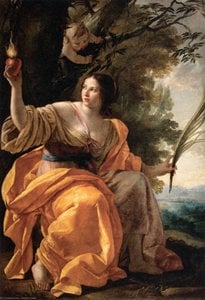
St Jerome and the Angel

Discover Simon Vouet's masterpiece, 'St Jerome and the Angel,' a stunning Baroque painting showcasing divine guidance & artistic brilliance from 1622. Explore its rich details & historical context.

Istražite život i umetnost Simona Vueta (1590-1649), ključnog francuskog barok slikara koji je uveo italijanske stilove i oblikovao francusko umetničko slikarstvo 17. veka.

Ručno rađena uljana reprodukcija

Ručno oslikano uljanim bojama na platnu u dimenzijama i okviru po vašem izboru, izrađeno po porudžbini od strane naših umetnika. (Kupi print Kupi printKupi digitalnu sliku Kupi digitalnu sliku)

P118B $10
P118H $10
P118W $10
P438Z $10
P508JH $12
P508YH $12
P805H $10
P805Z $10
P919BZ $10
P919G $10
P919XJ $10
P959ZH $10
P968JZ $12
W106C $8
W218G $10
W218JH $8
W218Y $10
W307PJ $10
W316G $10
W316PJ $8
W316Y $10
W398PJ $8
W4111J $10
W500HY $15
W500JH $15
W692G $12
W849H $8
W940BG $15
W953PJ $8

Standardne dimenzije
po meri
CM
INCH

Izaberite jednu od naših unapred definisanih veličina koje odgovaraju originalnim proporcijama umetničkog dela.

širina
visina

Можете унети сопствене димензије како бисте прилагодили дело одређеном оквиру или простору. Ако одабрана величина не одговара пропорцијама оригинала, слика ће бити исечена или проширена додатним елементима који се ручно насликавају. Дигитални prikaz ће вам бити послат на одобрење пре почетка производње.
Имајте на уму да преглед на екрану не одражава стварно исецање или проширење. Само приказ (mockup) ће тачно приказати коначну композицију.
Иако су доступне прилагођене величине, препоручујемо да одаберете димензију из дефинисане листе како бисте сачували оригиналне пропорције.

Primeri onoga što se može promeniti: Zamena lica fotografijom kupca; Dodavanje ljubimca (npr. zamena mačke psom); Uključivanje skrivene poruke u pozadini; Promena pejzaža ili elemenata pozadine.
Nakon narudžbine, tim WahooArt.com će klijentu putem e-pošte poslati uputstva i dostaviti prikaz predloženog rešenja

Isporuka širom sveta () za 3/4 nedelje umesto uobičajenih 5 nedelja. (28 август). Bez kompromisa po pitanju kvaliteta.

why_choose_icon
Besplatna ekspresna dostava širom sveta
why_choose_icon
Visokokvalitetno laneno platno
why_choose_icon
Kompletno osiguranje transporta
why_choose_icon
Garancija povraćaja carine i uvoznih dažbina
why_choose_icon
Garancija vernosti boja
why_choose_icon
Politika povrata u roku od 60 dana (samo u slučaju nedostataka)
why_choose_icon
Garancija povrata novca od 100%
why_choose_icon
Popust pri grupnoj kupovini

Ukupna cena

$ 272

reproduction

St Jerome and the Angel

Tehnika reprodukcije

Dimenzije reprodukcije

-

Konačna cena

$ 272

Osnovne informacije

  • Artistic style: Italian Baroque
  • Influences: Caravaggio
  • Title: St Jerome and the Angel
  • Location: National Gallery of Art
  • Dimensions: 145 x 180 cm
  • Subject or theme: Religious scene
  • Year: 1622

Kviz o umetnosti

Svako pitanje ima samo jedan tačan odgovor.

Pitanje 1:
What is the primary subject depicted in ‘St Jerome and the Angel’?
Pitanje 2:
According to the image description, what is the overall atmosphere of the painting?
Pitanje 3:
In what year was ‘St Jerome and the Angel’ painted?
Pitanje 4:
Who is the artist who created ‘St Jerome and the Angel’?
Pitanje 5:
The image description mentions several other figures present in the painting. What is one of them?

St Jerome and the Angel: A Dialogue of Faith and Light

Simon Vouet’s “St. Jerome and the Angel,” painted in 1622, is more than just a depiction of a biblical scene; it's a carefully constructed meditation on divine guidance, spiritual contemplation, and the interplay between earthly and celestial realms. This masterful work, housed within the National Gallery of Art in Washington D.C., exemplifies the burgeoning Baroque style’s embrace of dramatic lighting, nuanced emotion, and a heightened sense of realism that distinguished it from the preceding Mannerism. The painting immediately draws the viewer into a scene brimming with quiet intensity – a moment of profound communication between the venerable Saint Jerome, known for his dedication to prayer and translation of the Bible, and the radiant angel who appears before him.

Vouet’s technical prowess is evident in every brushstroke. He skillfully employs *chiaroscuro*, a technique borrowed from Caravaggio, to create a dramatic contrast between light and shadow. The angel, bathed in an ethereal glow, stands in sharp relief against the darker, more muted tones of Jerome's robe and the shadowed background. This deliberate use of light isn’t merely aesthetic; it serves to emphasize the angel’s divine presence and the transformative nature of his message. The composition is carefully balanced – Jerome, a figure of venerable age and contemplative posture, occupies the lower portion of the canvas, while the dynamic angel dominates the upper register, creating a visual hierarchy that underscores their roles in the narrative.

A Renaissance Vision with Baroque Flair

Painted during Vouet’s extended sojourn in Rome, “St. Jerome and the Angel” reflects the profound influence of Italian art on French painting at the time. Vouet had immersed himself in the works of masters like Caravaggio, Paolo Veronese, and the Carracci brothers, absorbing their techniques and philosophies. However, he didn’t simply mimic these artists; instead, he synthesized their innovations with his own distinctive style, creating a uniquely French interpretation of the Baroque aesthetic. The painting showcases a move away from the stylized poses and flattened perspectives of Mannerism towards a more naturalistic approach to form and space – a hallmark of the emerging Baroque style.

The historical context is crucial to understanding the work’s significance. The early 17th century was a period of intense religious fervor in Europe, fueled by the Counter-Reformation. Paintings like this one were often commissioned by the Catholic Church as didactic tools – intended to inspire piety and reinforce orthodox doctrine. The scene of St. Jerome receiving divine guidance speaks directly to this purpose, offering a visual representation of faith, humility, and the promise of salvation.

Symbolism and Emotional Resonance

Beyond its religious subject matter, “St. Jerome and the Angel” is rich in symbolic detail. The book held by Jerome represents his life’s work – the translation of the Bible into Latin. The angel's outstretched hand and pointing finger symbolize divine instruction and revelation. The cup at the center of the image may represent the Holy Spirit or a symbol of spiritual nourishment. Notably, the angel is depicted not as a majestic, imposing figure but as a youthful, almost mischievous presence – suggesting that divine guidance can be both challenging and joyful.

The emotional impact of the painting is profound. The quiet intensity of Jerome’s expression, combined with the radiant beauty of the angel, evokes a sense of reverence and wonder. The scene invites viewers to contemplate their own relationship with faith and the possibility of receiving divine guidance in their lives. It's a moment suspended in time – a dialogue between man and God, rendered with exquisite skill and profound sensitivity.

A Legacy of Light and Shadow

Simon Vouet’s “St. Jerome and the Angel” stands as a testament to his artistic genius and his pivotal role in shaping the course of French painting. It exemplifies the transition from Mannerism to Baroque, showcasing the innovative techniques and stylistic choices that defined this transformative period. Today, reproductions of this captivating work continue to inspire artists and collectors alike, offering a glimpse into a world where faith, beauty, and light converge in a timeless tableau.


Biografija umetnika

Симон Вуе: Пионер француске бароке живописи

  • Рођен: 9. јануар 1590, Париз, Француска
  • Умро: 30. јун 1649, Париз, Француска

Симон Вуе је био кључна фигура у преласку француске живописи из манераizma ка барочном стилу. Рођен у umetničkoj породици – његов отац Лоран беше сликар, а брат Обен такође се бавио уметношћу – Вуе је добио рано образовање које је заложило темеље за његољски успех. Нијеком, Лудовико Дорињи, наставиће породичну уметничку наследницу.

Рани каријере и италијански утицаји (1608-1627)

  • Ран портретирање: Вуе је започео кариjerу као портретиста, демонстрирајући рани таленат.
  • Путовање у Енглетан (1608): У младим годинама, уз 14 година, путовао је у Енглетан да нареди портрет, приказујући своју растућу репутацију.
  • Османско ханци и Венеција: Године 1611. Вуе се придружио окружујућем кругу барона де Сансија, француског посланика у Османско ханци, поново за портретирање. Ово путовање га је одвело кроз Константиноপল, а затим и до Венеције 1612. године.
  • Рим (1614-1627): Није време у Риму променило га. Остао је тамо тринаест година, промишљавајући се у живописној umetničkoj сцени нарастајуће бароке периода.

Током свог италијанског боравка, Вуе је апсорбовао различит спектар утицаја. Изучио је драматичне технике осветљења које су пионерирао Караваџо, усвајивши елементе италијанског манераizma, а са посебном пажњом анализирао палете боја и di sotto in su (перспектива испод и изнад) које је користио Паоло Веронезе. Такође се инспирисао радовима Карачија, Гуерцина, Ланфранка и Гуидо Рени, синтетишући ове различите стилове у јединствену umetničку визију.

Развој Вуевог карактеристичног стила

  • Избор у Академију Сан Лука (1624): Његов успех у Риму кулминирао је избором као председник престижној Академије ди Сан Лука, сведочанство о његово вештину и признању у италијанском umetničком свету.
  • Синтеза утицаја: Вуев стил карактерисао се способношћу да апсорбује и дистилира различите уметничке утицаје. Он није само копирао; интегришао је ове елементе у кохерентну и јасно италијански барочну естетику.
  • Увођење бароке у Француску: По свом повратку у Француску 1627. године, Вуе је играо кључну улогу у увођењу италијанског барочног стила у француску живопис, значајно утицавајући на umetnički pejzaж земље.

Главни достигнућа и наслеђе

  • Премјер пејнтер ду Роа (Premier Peintre du Roi): Вуе је именован Premier peintre du Roi (Први сликар краља) – позиција великог престижа и утицаја.
  • Продуктивна раница: Одржавао је велику и активну раницу, обустављајући бројне уметнике који ће обликовати следећу генерацију француских сликара.
  • Запамћени ученици: Међу његовим највтицајнијим ученицима били су Шарл Ле Бран (који касније организује све декоративно сликарство у Версају), Валентин де Булоњ, Шарл Алфонс ду Фресноа, Пјер Мињар, Јусташ Ле Суеур и Клод Мелан.
  • Утицај на француску уметност: Вуев свој утицај проширио изван својих дела; његови ученици носио свој стил и технике шимље кроз Француску, успостављајући јединствено барочну школу живописа. Његов утицај је посебно очигледан у великим декоративним схемима које је наручио Луи XIV.

Историчко значајство

Наслеђе Симона Вуеа почива на његовој кључној uloци као моста између италијанске и француске уметности. Успешно је увозио динамику и великолепије италијанског барока, претварајући га у стил који је резоновао са укусима француског двора и аристократије. Његов утицај је несумњив у развоју француске живописи током 17. века, а његови доприноси данас се и даље препознају код историчара уметности.

Симон Вуе

Симон Вуе

1590 - 1649 , Francuska

Osnovne informacije

  • Artistic Movement Or Style: Barokna slika
  • Artists Or Movements Influenced By This Artist:
    • Šarl Le Brun
    • Valentin de Boulogne
    • Francuska barokna slika
  • Artists Who Influenced This Artist:
    • Karamaggio
    • Paolo Veronese
    • Carracci
    • Guercino
    • Lanfranco
    • Guido Reni
  • Date Of Birth: 9. januar 1590.
  • Date Of Death: 30. jun 1649.
  • Full Name: Simon Vouet
  • Nationality: Francuski
  • Place Of Birth: Pariz, Francuska
Istražite umetnička dela organizovana prema temama, stilovima i karakteristikama.