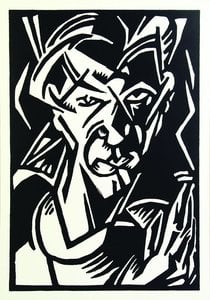
Šandor Bortnjik: Tkač senki i simbolizma
Šandor Bortnjik (1893–1976) ostaje duboko enigmatična figura u istoriji mađarske umetnosti, umetnik čija proganjajuća dela nastavljaju da odjekuju moćnim spojem simbolizma, ekspresionizma i arhitektonske preciznosti. Rođen u Marošvarješu, u Transilvaniji – koja je tada bila deo Kraljevine Ugarske – Bortnjikov život obeležili su raseljavanje i umetnička evolucija, što ga je na kraju transformisalo u jedan od najprepoznatljivijih glasova njegove generacije. Njegovo nasleđe ne leži samo u ogromnom korpusu slika i grafičkih dizajna, već i u njegovoj ključnoj ulozi prosvetnog učitelja, koji je negovao novi talas mađarskih umetnika unutar okvira principa Bauhausa.
Rani život i uticaji
Bortnjikova rane umetničke obuke počele su u Budimpešti, gde ga je odmah privukla vibrantna energija fauvizma. Međutim, politički prevrati nakon Prvog svetskog rata primorali su ga na egzil, što ga je 1922. godine konačno dovelo u Vajmar. Ova relokacija se pokazala transformativnom, uranjajući ga u revolucionarno okruženje škole Bauhaus. Principi funkcionalizma, geometrijske apstrakcije i fokus na zanatstvo duboko su uticali na njegov umetnički razvoj. Studirao je podme maestrom kao što su Johanes Iten i Jonel Fajinger, upijajući njihove filozofije dok je istovremeno stvarao sopstveni jedinstveni vizuelni jezik. Uticaj kubizma jasno je primetan u njegovim ranim radovima, naročito kroz fragmentaciju formi i istraživanje višestrukih perspektiva – tehnika koju će kasnije majstorski integrisati sa simboličkim slikarijama.
Majstor komercijalne umetnosti i grafičkog dizajna
Uprkos svom angažmanu u avangardnim pokretima, Bortnjikova karijera bila je neraskidivo povezana sa svetom komercijalne umetnosti. Brzo se etablirao kao veoma traženi dizajner postera, kreirajući upečatljive vizuelne komunikacije za širok spektar klijenata – od proizvođača parfema poput Savolija do cigaretnih kompanija kao što je Modijano. Ovi posteri nisu samo oglasi; oni su minijaturna umetnička dela, karakterisana smelim bojama, dinamičnim kompozicijama i često prožeta osećajem melanholije ili predosećaja nečeg lošeg. Njegovi dizajni bili su izuzetno inovativni za svoje vreme, uvodeći modernističko-konstruktivističku estetiku na mađarsko tržište.
Radionica i nasleđe Bauhausa
Godine 1928, Bortnjik je osnovao „Radionicu” (Mühely), privatnu umetničku školu u Budimpešti koja je postala ključni inkubator mađarskog umetničkog talenta. Počinjući od principa Bauhausa, on je naglašavao eksperimentisanje sa materijalima, tehnikama i konceptualnim pristupima. Njegov program je podsticao duh inovacije i ohrabrivao studente da ospore tradicionalne predstave o stvaranju umetnosti. Takođe je služio kao direktor Mađarske akademije lepih umetnosti od 1949. do 1956. godine, oblikujući umetnički pejzaž posleratne Ugarske. Njegova posvećenost obrazovanju prevazilazila je formalnu nastavu; aktivno je nastojao da svoje učenike izloži međunarodnim razvojima u umetnosti i dizajnu, negujući međukulturni dijalog koji je obogatio njihovu kreativnu praksu.
Teme smrti, transformacije i urbanog pejzaža
Bortnjikovo delo je duboko prožeto temama smrti, propadanja i transformacije. Njegova najpoznatija dela – često nazivana „tunelskim slikama” – prikazuju klaustrofobične prostore ispunjene izobličenim figurama, fragmentiranim oblicima i sveprisutnim osećajem nelagode. Ove slike prizivaju psihološke anksioznosti modernog doba, odražavajući fascinaciju smrtnošću i krhkošću ljudskog postojanja. Upotreba tamnih boja, dramatičnog osvetljenja i simboličkih motiva — poput lobanja, uvenulih cvetova i usamljenih figura — stvara atmosferu duboke melanholije. Ipak, usred te tame, često se nazire blesak nade ili otpornosti, sugerišući mogućnost obnove i ponovnog rađanja. Njegove slike često prikazuju urbane pejzaže, hvatajući izolaciju i otuđenost modernog života, dok istovremeno istražuju lepotu i misteriju skrivenu u senkama grada.
Bortnjikovo delo se i dalje proučava i divi zbog svoje proganjajuće lepote, tehničkog majstorstva i dubokog istraživanja ljudskog stanja. On ostaje ključna figura u istoriji mađarske umetnosti, svedočanstvo o moći umetničke vizije i trajnom nasleđu pokreta Bauhaus.



 Pregledaj u prostoru
 Pređi na prodaju štampanih primeraka
 Podeli
 Podeli
 Detalji
 Vodič
Vodič

 Preuzmi sliku
 Slični predmeti
 Rendgenski snimak
 Automatska prezentacija
 Statistika
 Pročitaj više