BESPLATNA KONSULTACIJA SA STRUČNJAKOM ZA UMETNOST

x
Kupi štampu Kupi štampuNaručite reprodukciju Naručite reprodukciju PošaljiPošalji
Detalji o deluDetalji o delu Dodaj u omiljene Dodaj u omiljene ПреузмиПреузми Slični predmetiSlični predmeti Rendgenski snimakRendgenski snimak SlajdoviSlajdovi

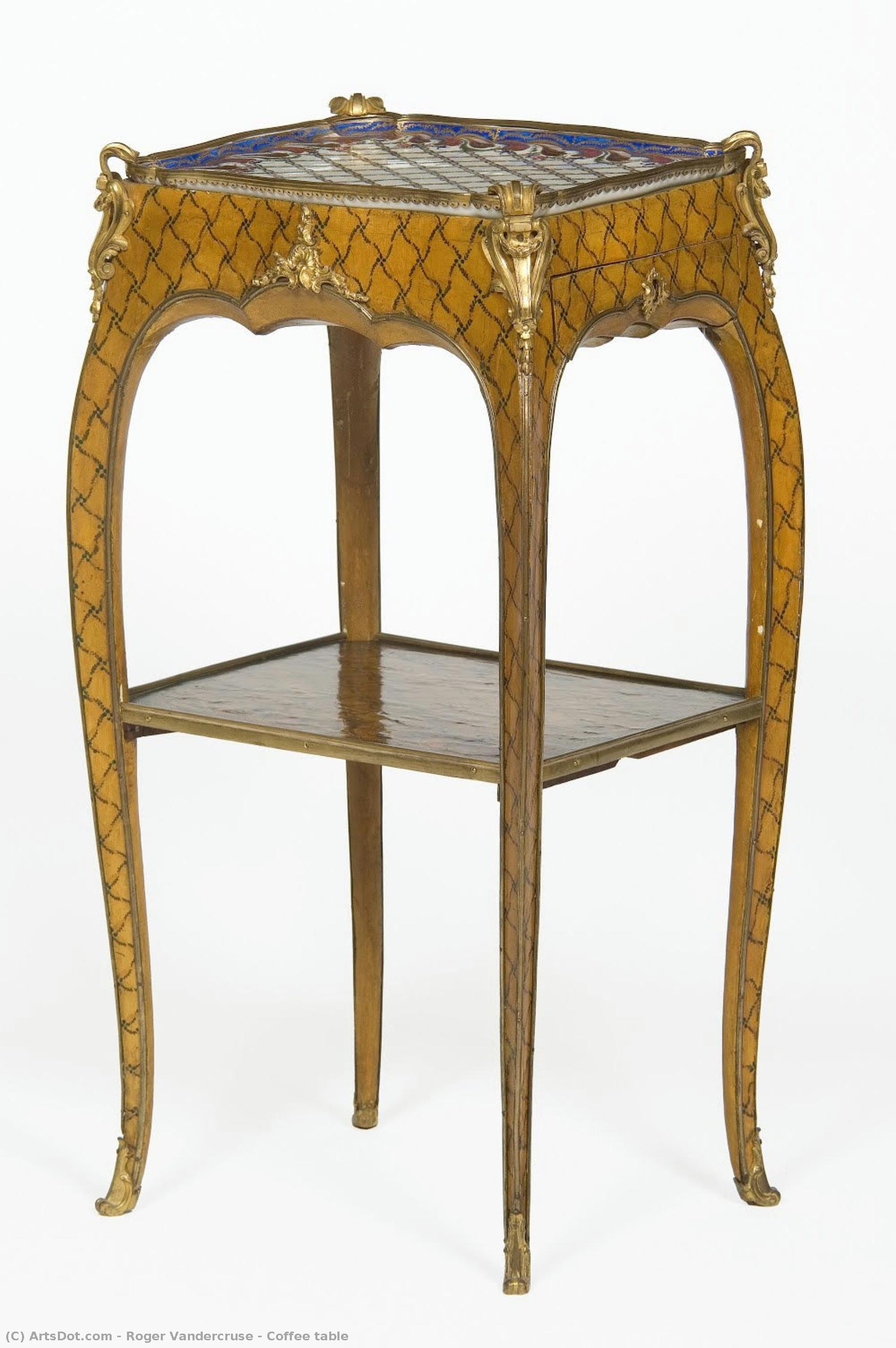
Coffee table

Roger Vandercruse (1728-1799), also known as Roger Lacroix, was a Parisian ébéniste renowned for refined Rococo & Neoclassical furniture. Specializing in *meubles volants* like lady's desks (*bonheurs du jour*) and intricate commodes, his work embodi

Kupite digitalnu sliku visoke rezolucije i poboljšanog kvaliteta, koja je znatno superiornija od onoga što vidite u online prikazu.

Svaka datoteka je pedantno pripremljena od strane naših stručnjaka koristeći napredne alate i profesionalnu ručnu retušu. Osiguravamo da svaka slika ima izuzetnu oštrinu, preciznu reprodukciju boja i fine detalje.

Konačna datoteka se dostavlja putem e-pošte u roku od 72 sata, optimizovana za neposrednu upotrebu u profesionalnim, izdavačkim i štamparskim okruženjima. To je isti kvalitet kojem veruju vrhunski studiji dizajna, izdavači i galerije.

Digitalna slika

Preuzmite datoteku visoke rezolucije za ličnu upotrebu, štampanje i kreativne projekte.

Ukupna cena

$9.99

Uključeno uz svaku porudžbinu digitalne slike

Profesionalna digitalna isporuka, zagarantovana

Kada odaberete WahooArt.com, ne dobijate samo sliku – vi primate profesionalno unapređeno digitalno umetničko delo, izrađeno sa najvećom preciznošću i uz garanciju zadovoljstva. Evo svega što automatski dolazi uz vašu porudžbinu:

shipping_icon
Brza dostava putem e-pošte

Vaša digitalna slika visoke rezolucije biće vam poslata putem e-pošte u roku od 72 sata od poručivanja – spremna za trenutnu upotrebu.

canvas_icon
Digitalna datoteka unapređena veštačkom inteligencijom

Vaše umetničko delo je profesionalno optimizovano korišćenjem naprednih AI alata i ručne obrade, čime se osiguravaju maksimalni detalji, oštrina i preciznost boja.

insurance_icon
Besplatna ponovna isporuka doživotno

Slučajno ste obrisali ili izgubili svoju datoteku? Ne brinite – poslaćemo vam je ponovo u bilo kom trenutku, potpuno besplatno.

tax_icon
Bez troškova uvoza – zauvek

Uživajte u svojim umetničkim delima trenutno, bez carine, dažbina ili troškova dostave – digitalni download je uvek bez poreza.

color_icon
Garancija vernosti boja

Uz pomoć profesionalnih alata i upravljanja bojama, osiguravamo da vaša digitalna slika što vernije odražava originalne boje.

return_icon
Garancija zadovoljstva u roku od 60 dana

Ako niste zadovoljni svojom digitalnom slikom, revidirat ćemo je ili vratiti 100% novca u roku od 60 dana – bez ikakvih pitanja.

guarantee_icon
100% garancija povrata novca

Niste zadovoljni? Obezbedite pun povrat novca u roku od 60 dana od trenutka kada ste primili svoju digitalnu datoteku – bez suvišnih pitanja.

discount_icon
Popusti na velike porudžbine

Kupite 3 slike, uštedite 10% - Kupite 5 slika, uštedite 15% - Kupite 10+ slika, uštedite 20%. Odlično za kreativne projekte, galerije i agencije.

Opis kolekcionarskog dela

The varnished decoration (originally on a white ground) of the legs and lower shelf features the same pattern as the porcelain of the “plateau Courteille .” The side drawer in the apron is lined with blue tabby silk, and bears an old label with the following inscription: “806; table en chiffonnier.” This elegant piece of furniture with its porcelain top was probably invented by the marchand-mercier (furniture dealer) Simon-Philippe Poirier, who commissioned the cabinetwork from “RVLC” – the stamp of his supplier, Roger Vandercruse. Acquired in 1934 from the Parisian antiques dealer Gaston Bensimon, this precious piece was probably one of Moïse de Camondo’s last purchases.

Biografija umetnika

Roger Vandercruse: A Parisian Master of Rococo and Neoclassical Elegance

Roger Vandercruse (1728-1799), also known as Roger Lacroix, stands as a significant figure in the history of French *ébéniste* craftsmanship. Born in Paris during a period of artistic transition – bridging the exuberant Rococo era with the burgeoning Neoclassical style – Vandercruse’s refined furniture embodies both these influential movements. He was not merely a craftsman; he was part of a vibrant network of artisans, inheriting his father's workshop and building upon a legacy of exceptional skill and design. His career spanned nearly seven decades, marked by an increasing sophistication in technique and a growing reputation for producing exquisite pieces that graced the homes of Parisian nobility and wealthy merchants.

Early Life and Apprenticeship

Vandercruse’s origins were rooted in the Low Countries, a tradition that profoundly influenced his approach to furniture making. His family's cabinetmaking business in the Faubourg Saint-Antoine provided him with an early foundation in the art of woodcraft. He began his training as a young man, likely absorbing techniques and design principles from his father and other skilled artisans within the Parisian workshop environment. Crucially, he was connected to prominent figures like Jean-François Oeben, whose workshop he later assisted after Oeben’s death, further honing his skills and exposing him to innovative approaches to furniture construction and decoration. This lineage instilled in him a deep respect for quality materials – tulipwood, amaranth, and kingwood were favored – and a meticulous attention to detail that became hallmarks of his work.

Specializations and Techniques

Vandercruse’s workshop was particularly renowned for its production of *meubles volants*, or “flying furniture.” These ingenious pieces featured shifting drawers, secret compartments, and adaptable elements designed to suit the changing needs of their owners – a reflection of the aristocratic lifestyle that valued both practicality and visual delight. He excelled in creating commodes, often incorporating intricate marquetry depicting floral motifs, mythological scenes, and geometric patterns. His mastery extended to bronze work, with elaborate mounts adorning his furniture, adding further layers of opulence and sophistication. He frequently employed techniques borrowed from his brother-in-law, Oeben, including the use of Sèvres porcelain plaques – a luxury embellishment highly sought after by Parisian merchants. The stamp “R.V.L.C.” became his signature, marking pieces that were delivered by the aging court cabinetmaker Gilles Joubert to prominent clients like Madame Victoire and the Comtesse de Provence.

Influences and Style

Vandercruse’s style represents a fascinating synthesis of Rococo extravagance and Neoclassical restraint. While he embraced the flowing curves, delicate ornamentation, and playful motifs characteristic of the Rococo period – particularly in his earlier work – he gradually incorporated elements of the emerging Neoclassical aesthetic: simpler lines, more restrained decoration, and a greater emphasis on classical forms. His furniture reflects this evolution, moving from the overtly flamboyant to a more balanced and elegant style that appealed to the tastes of the late 18th century. He was deeply influenced by the work of his predecessors, particularly Oeben, but he also demonstrated an independent artistic vision, creating pieces that were both technically proficient and aesthetically pleasing.

Legacy and Historical Significance

Roger Vandercruse’s contribution to French furniture design is considerable. His meticulous craftsmanship, innovative *meubles volants*, and skillful integration of marquetry and bronze work established him as one of the leading *ébénistes* of his generation. His pieces are now highly prized by collectors and museums worldwide, offering a tangible connection to the opulent world of 18th-century France. His legacy extends beyond individual works; he represents a crucial link in the chain of French cabinetmaking tradition, demonstrating the enduring appeal of exquisite craftsmanship and artistic refinement. Pieces attributed to Vandercruse can be found in prestigious collections such as those at Waddesdon Manor and the Musée Nissim de Camondo, solidifying his place as a master of his craft and a significant figure in European art history.
roger vandercruse

roger vandercruse

1728 - 1799 , France

Kratke činjenice

  • Artistic Movement Or Style: Rococo & Neoclassical
  • Artists Or Movements Influenced By This Artist:
    • Riesener
    • Neoclassicism
  • Artists Who Influenced This Artist:
    • Jean-François Oeben
    • Pierre Migeon
  • Date Of Birth: 1728 Paris, France
  • Date Of Death: 1799 Paris, France
  • Full Name: Roger Vandercruse Lacroix
  • Nationality: French
  • Notable Artworks:
    • Bonheur du jour
    • Commode
    • Meubles volants
  • Place Of Birth: Paris, France