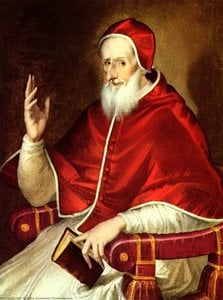
Pentecost (1540) delo Polidoro Da Caravaggio, ručno oslikana reprodukcija uljanog slikarstva vrhunskog umetnika
Pregledaj u prostoru AR pregled Pređi na štampu Pređi na digitalnu sliku Pošalji
Detalji o delu Vodič Dodaj u omiljene Preuzmi Slični predmeti Rendgenski snimak Automatska prezentacija Pitanja i odgovori Prezentacija Statistika

Pentecost Ručno oslikana reprodukcija uljanog slikarstva

A divine atmosphere of religious devotion fills this Renaissance masterpiece Pentecost by Polidoro da Caravaggio featuring a celestial bird and sacred gathering, inviting you to explore this timeless piece for your collection.

Polidoro da Caravaggio: Mannerist painter known for Roman facade art & powerful religious scenes. Explore his unique style & legacy in Naples & Messina.

Ručno rađena uljana reprodukcija

Ručno oslikano uljanim bojama na platnu u dimenzijama i okviru po vašem izboru, izrađeno po porudžbini od strane naših umetnika. ( Pređi na štampu Pređi na digitalnu sliku)

Corner sample of the P118B picture frame: oblikovani polistiren, 5 cm wide and 3 cm thick
P118B дин10
Corner sample of the P118H picture frame: oblikovani polistiren, 5 cm wide and 3 cm thick
P118H дин10
Corner sample of the P118W picture frame: oblikovani polistiren, 5 cm wide and 3 cm thick
P118W дин10
Corner sample of the P438Z picture frame: oblikovani polistiren, 5.5 cm wide and 3.5 cm thick
P438Z дин10
Corner sample of the P508JH picture frame: oblikovani polistiren, 7 cm wide and 3.5 cm thick
P508JH дин12
Corner sample of the P508YH picture frame: oblikovani polistiren, 7 cm wide and 3.5 cm thick
P508YH дин12
Corner sample of the P805H picture frame: oblikovani polistiren, 5 cm wide and 3.5 cm thick
P805H дин10
Corner sample of the P805Z picture frame: oblikovani polistiren, 5 cm wide and 3.5 cm thick
P805Z дин10
Corner sample of the P919BZ picture frame: oblikovani polistiren, 7 cm wide and 3.5 cm thick
P919BZ дин10
Corner sample of the P919G picture frame: oblikovani polistiren, 7 cm wide and 3.5 cm thick
P919G дин10
Corner sample of the P919XJ picture frame: oblikovani polistiren, 7 cm wide and 3.5 cm thick
P919XJ дин10
Corner sample of the P959ZH picture frame: oblikovani polistiren, 5 cm wide and 3 cm thick
P959ZH дин10
Corner sample of the P968JZ picture frame: oblikovani polistiren, 6 cm wide and 4 cm thick
P968JZ дин12
Corner sample of the W106C picture frame: masivno drvo, 5 cm wide and 3 cm thick
W106C дин8
Corner sample of the W218G picture frame: masivno drvo, 5 cm wide and 3 cm thick
W218G дин10
Corner sample of the W218JH picture frame: masivno drvo, 5 cm wide and 3 cm thick
W218JH дин8
Corner sample of the W218Y picture frame: masivno drvo, 5 cm wide and 3 cm thick
W218Y дин10
Corner sample of the W307PJ picture frame: masivno drvo, 6 cm wide and 3 cm thick
W307PJ дин10
Corner sample of the W316G picture frame: masivno drvo, 6 cm wide and 3 cm thick
W316G дин10
Corner sample of the W316PJ picture frame: masivno drvo, 6 cm wide and 3 cm thick
W316PJ дин8
Corner sample of the W316Y picture frame: masivno drvo, 6 cm wide and 3 cm thick
W316Y дин10
Corner sample of the W398PJ picture frame: masivno drvo, 5 cm wide and 3 cm thick
W398PJ дин8
Corner sample of the W4111J picture frame: masivno drvo, 6.5 cm wide and 3.5 cm thick
W4111J дин10
Corner sample of the W500HY picture frame: masivno drvo, 7 cm wide and 5 cm thick
W500HY дин15
Corner sample of the W500JH picture frame: masivno drvo, 7 cm wide and 5 cm thick
W500JH дин15
Corner sample of the W692G picture frame: masivno drvo, 8 cm wide and 4 cm thick
W692G дин12
Corner sample of the W849H picture frame: masivno drvo, 5 cm wide and 3 cm thick
W849H дин8
Corner sample of the W940BG picture frame: masivno drvo, 7.5 cm wide and 4.5 cm thick
W940BG дин15
Corner sample of the W953PJ picture frame: masivno drvo, 6 cm wide and 3.5 cm thick
W953PJ дин8

Standardne dimenzije
po meri
CM
INCH

Izaberite jednu od naših unapred definisanih veličina koje odgovaraju originalnim proporcijama umetničkog dela.

širina
visina

Unesite potrebnu širinu i visinu kako bi se slika uklopila u vaš ram ili zid. Pošto je ovo ručno oslikano delo, umetnik može za dimenzije drugačijeg oblika naslikati malo više prostora oko slike ili malo skratiti ivice — izbor je na vama. Pre početka rada, poslaćemo vam digitalni prikaz radi potvrde. Slika prikazana na ovoj stranici ne predstavlja konačan rezultat — samo digitalni prikaz pokazuje stvarnu sliku.

Primeri mogućih izmena: Zamena lica fotografijom kupca; Dodavanje ljubimca (npr. zamena mačke psom); Uključivanje skrivene poruke u pozadini; Promena pejzaža ili elemenata pozadine.
Nakon narudžbine, tim WahooArt.com će klijentu putem e-pošte poslati uputstva i dostaviti prikaz predloženog rešenja

Svetska isporuka () za 3/4 nedelje umesto uobičajenih 5 nedelja. (7 новембар). Bez kompromisa po pitanju kvaliteta.

Besplatna ekspresna dostava širom sveta
Visokokvalitetno laneno platno
Potpuno osiguranje transporta
Garancija povraćaja carine i uvoznih dažbina
Garancija vernosti boja
Politika povraćaja u roku od 100 dana (samo u slučaju nedostataka)
Garancija povrata 100% novca
Popust na više proizvoda

Ukupna cena

дин 28493

Pentecost

Tehnika reprodukcije

Dimenzije reprodukcije

-

Ukupna cena

дин 28493


Biografija umetnika

Early Life and Apprenticeship in Rome

Polidoro Caldara, known to history as Polidoro da Caravaggio, emerged from the small town of Caravaggio in Lombardy around 1499, a name he would later bestow upon himself—a foreshadowing of his artistic identity. Unlike many Renaissance masters who benefited from established family patronage or formal guild training, Polidoro’s path to artistry was unconventional. He arrived in Rome as a young man, initially working not with brush and pigment but as a humble laborer, carrying materials for the construction projects at the Vatican. This seemingly menial role proved pivotal; it brought him into contact with the bustling world of Renaissance art and, crucially, to the attention of Maturino da Firenze, a key assistant in Raphael’s expansive workshop. Raphael, already a towering figure, recognized Polidoro's innate talent and welcomed him into his studio around 1517. Within the vibrant atmosphere of Raphael’s workshop, Polidoro absorbed the principles of High Renaissance composition, perspective, and idealized form, contributing to the decoration of the famed Raphael Rooms—a foundational experience that would shape his early style.

The Innovation of Roman Facade Paintings

Polidoro quickly distinguished himself not within the confines of panel painting or fresco but in a remarkably innovative arena: the decoration of Roman palace facades. Partnering with Maturino, he pioneered a technique known as *sgraffito*, where layers of contrasting plaster were scratched away to reveal underlying designs—a method that allowed for large-scale narrative scenes and architectural motifs directly onto building exteriors. These weren’t merely decorative embellishments; they were public displays of art, accessible to all who traversed the streets of Rome. Polidoro's skill lay in his ability to translate complex compositions into this challenging medium, creating dynamic friezes that brought classical history and contemporary life vividly to the city’s walls. He became renowned for these monochrome re-creations, transforming ordinary buildings into open-air galleries. Unfortunately, many of these works have vanished over time, known today primarily through surviving etchings and engravings—ghostly reminders of a once-ubiquitous artistic presence.

A Style Forged in Collaboration and Disruption

Polidoro’s early work reflects the influence of Raphael's harmonious compositions and classical ideals. However, his partnership with Maturino da Firenze introduced a new energy into his style – a greater emphasis on dramatic movement and expressive figures. This collaborative period saw Polidoro experimenting with bolder forms and more complex narratives. The Sack of Rome in 1527 irrevocably altered the course of his career. The chaos and destruction forced him to flee, first to Naples and then to Messina. This displacement marked a turning point; removed from the stabilizing influence of the Roman art world, Polidoro’s style underwent a profound transformation. In Naples, and particularly in Messina, he developed a more personal and emotionally charged aesthetic.

Mature Works: Religious Intensity in Southern Italy

The years spent in Southern Italy witnessed the emergence of Polidoro's most distinctive works—altarpieces characterized by intense religious feeling and a striking use of color. His *Road to Calvary* (Capodimonte, Naples), painted before 1534, exemplifies this mature style. The composition is dynamic, filled with raw emotion and a sense of palpable suffering. Polidoro’s preparatory oil sketches for this work reveal his meticulous approach and his exploration of different emotional states. He wasn't merely replicating established iconographic models; he was imbuing them with a new level of psychological depth and dramatic realism. His *Crucifixion* in Messina further demonstrates this shift, showcasing a powerful depiction of Christ’s sacrifice that resonated deeply with the local populace.

Legacy and Historical Significance

Polidoro da Caravaggio's life ended tragically in 1543, reportedly murdered by his assistant for his money—a grim end to a remarkably innovative career. While his fame waned after his death, overshadowed perhaps by more celebrated contemporaries, his contribution to the development of Mannerism is undeniable. He stands as a fascinating figure – an artist who bridged the High Renaissance and the emerging stylistic complexities of the 16th century. His pioneering work in facade painting expanded the boundaries of artistic expression, bringing art directly into the public sphere. Furthermore, his later works in Messina reveal a unique emotional intensity that foreshadowed some of the dramatic tendencies of Baroque art. Though many of his Roman frescoes are lost to time, Polidoro da Caravaggio remains an important and compelling figure in Italian Renaissance history—a testament to the power of artistic innovation and the enduring impact of personal experience on creative expression.

Osnovne informacije

  • Full Name: Polidoro Caldara
  • Nationality: Italian
  • Date Of Birth: 1499
  • Date Of Death: 1543
  • Place Of Birth: Caravaggio, Italy
  • Notable Artworks:
    • Crucifixion
    • Deposition of Christ
    • Christ carrying the cross
  • Artistic Movement Or Style: Mannerism
  • Artists Who Influenced This Artist:
    • Raphael
    • Maturino da Firenze
    • Perino del Vaga