


 UljeUmetnost za zidoveRenaissance
 1465Renesansa
 132.0 x 57.0 cm
 Museu Nacional de Arte Antiga
Giclée štampa ili print na platnu muzejskog kvaliteta uz brzu proizvodnju i fleksibilne opcije završne obrade. ( Kupi ručno naslikanu sliku Kupi digitalnu sliku)





























Izaberite jednu od naših unapred definisanih veličina koje odgovaraju originalnim proporcijama umetničkog dela.

Možete uneti sopstvene dimenzije kako biste umetničko delo prilagodili specifičnom okviru ili prostoru. Ako odabrani format ne odgovara proporcijama originalne slike, mi ćemo ili iscrtati deo dela ili proširiti sliku pomoću ogledane ivice ili jednobojnog popunjavanja. Digitalni prikaz će vam biti poslat na odobrenje pre početka proizvodnje.
Imajte na umu da pregled na ekranu ne odražava stvarno iscrtavanje ili proširivanje. Samo će prikaz (mockup) precizno pokazati finalnu kompoziciju.
Iako su prilagođene dimenzije dostupne, preporučujemo da odaberete dimenziju sa unapred definisane liste kako biste očuvali originalne proporcije.
Dostava širom sveta () za 2 nedelje umesto uobičajenih 4/5 nedelja. (7 септембар)


Polyptych of St Augustine: St Augustine
Dimenzije reprodukcije
Piero della Francesca's Polyptych of St Augustine, a captivating work housed within the Museo Nacional de Arte Antiga in Lisbon, Portugal, is more than just a religious painting; it’s a profound exploration of space, light, and human form. Completed around 1465, this polyptych – a triptych with wings – offers a rare glimpse into the artistic mind of one of the Renaissance's most innovative figures. Measuring a modest 132 x 57 cm, its scale belies the monumental impact of its composition and the meticulous detail evident in every brushstroke.
At first glance, the painting depicts St Augustine, likely a priest or monk, presented with an almost serene dignity. He’s enveloped in a rich robe, its hood suggesting both humility and contemplation. His hands are posed deliberately: one holding a book, a symbol of knowledge and scripture, while the other rests upon what appears to be a staff or scepter – a visual representation of his authority and spiritual guidance. However, it's not merely a portrait; the scene is layered with symbolic elements. The prominent cross at the top left corner immediately anchors the work within a Christian context, while the building in the background, rendered with astonishing precision, establishes a believable spatial depth—a hallmark of Piero’s mastery of perspective.
Piero della Francesca was renowned for his revolutionary approach to art. He wasn’t simply interested in depicting reality; he sought to capture its underlying mathematical order. This is strikingly evident in the Polyptych of St Augustine. The painting utilizes a technique known as *contrapposto*, where the figure's weight shifts, creating a dynamic and natural pose. Furthermore, Piero meticulously calculated the dimensions of the scene, ensuring that all elements – buildings, figures, and objects – were rendered in perfect proportion according to mathematical principles. This obsession with geometry isn’t cold or sterile; it serves to elevate the religious subject matter, suggesting a divine order inherent within creation itself.
The use of tempera on panel is crucial to understanding the painting's character. Tempera paints dry quickly and allow for incredible detail and luminosity. Piero’s masterful control of light and shadow—chiaroscuro—further enhances the sense of depth and realism, drawing the viewer into the scene. The subtle gradations in color create a remarkable sense of volume, making the figures appear almost tangible.
The Polyptych of St Augustine resides within the Museo Nacional de Arte Antiga in Lisbon, a museum dedicated to preserving Portuguese art from the Middle Ages through the early 20th century. Established in 1884, the museum is housed in the opulent Palácio Alvor-Pombal, a testament to Portugal’s rich architectural heritage. The presence of this painting within the museum's collection underscores its significance as a key example of Renaissance art and highlights Lisbon’s role as a center for artistic patronage during that period.
Beyond its immediate aesthetic qualities, the polyptych offers valuable insights into the cultural and religious landscape of 15th-century Portugal. The museum itself provides further context, housing other significant works from the era, including Antonio de Pereda’s still life and Francisco Henriques' depiction of the Last Supper – each offering a unique perspective on Renaissance artistic trends. The *Polyptych of St Augustine* stands as a powerful reminder of Piero della Francesca’s enduring legacy as one of the most influential artists of his time.
WahooArt offers meticulously crafted, hand-painted oil reproductions that capture the essence and beauty of Piero della Francesca's Polyptych of St Augustine. Our skilled artisans painstakingly recreate every detail – from the subtle nuances of color to the intricate textures of the robe and the precise geometry of the background – ensuring a faithful representation of this Renaissance masterpiece. Whether you’re an art enthusiast, a collector, or simply seeking to adorn your home with a timeless work of art, our reproductions provide an authentic and accessible way to experience the profound beauty and intellectual depth of Piero della Francesca's vision. Explore our collection today.


1415 - 1492 , Италија

Embark on a sophisticated journey through the Early Renaissance. Discover how masters like Masaccio and Piero della Francesca revolutionized art through humanism, linear perspective, and naturalism, redefining beauty and the human spirit in an era of profound rebirth.
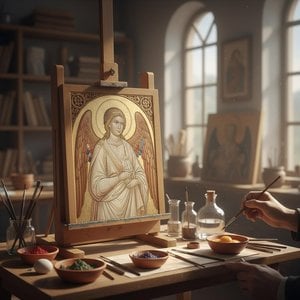
Unveil the sacred secrets of egg tempera on panel. Journey through the technical mastery and profound artistry of the Old Masters, from Giotto to Botticelli. An essential educational guide for Renaissance art enthusiasts seeking deep historical insight and expertise.

 Pregledaj u prostoru
 Pošalji
 Podeli
 Detalji o delu

 Преузми
 Slični predmeti
 Rendgenski snimak
 Slajdovi
 Pročitaj više







 Opcija sa staklom dostupna je samo za dimenzije manje od 110 cm


