Pregledaj u prostoru AR pregled Pređi na štampu Pređi na digitalnu sliku Pošalji
Detalji o delu Vodič Dodaj u omiljene Preuzmi Slični predmeti Rendgenski snimak Automatska prezentacija Q&A Statistika

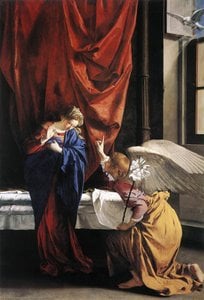
The Annunciation Hand-painted oil painting reproduction

Otkrij Philippe de Champaigne (1602-1674), vodećeg francuskog baroknog slikara poznatog po moćnim portretima Kardinala Richelieu i duboko duhovnim religioznim radovima. Istraži njegovo nasleđe!

Ručno rađena uljana reprodukcija

Ručno oslikano uljanim bojama na platnu u dimenzijama i okviru po vašem izboru, izrađeno po porudžbini od strane naših umetnika. ( Pređi na štampu Pređi na digitalnu sliku)

Corner sample of the P118B picture frame: oblikovani polistiren, 5 cm wide and 3 cm thick
P118B дин10
Corner sample of the P118H picture frame: oblikovani polistiren, 5 cm wide and 3 cm thick
P118H дин10
Corner sample of the P118W picture frame: oblikovani polistiren, 5 cm wide and 3 cm thick
P118W дин10
Corner sample of the P438Z picture frame: oblikovani polistiren, 5.5 cm wide and 3.5 cm thick
P438Z дин10
Corner sample of the P508JH picture frame: oblikovani polistiren, 7 cm wide and 3.5 cm thick
P508JH дин12
Corner sample of the P508YH picture frame: oblikovani polistiren, 7 cm wide and 3.5 cm thick
P508YH дин12
Corner sample of the P805H picture frame: oblikovani polistiren, 5 cm wide and 3.5 cm thick
P805H дин10
Corner sample of the P805Z picture frame: oblikovani polistiren, 5 cm wide and 3.5 cm thick
P805Z дин10
Corner sample of the P919BZ picture frame: oblikovani polistiren, 7 cm wide and 3.5 cm thick
P919BZ дин10
Corner sample of the P919G picture frame: oblikovani polistiren, 7 cm wide and 3.5 cm thick
P919G дин10
Corner sample of the P919XJ picture frame: oblikovani polistiren, 7 cm wide and 3.5 cm thick
P919XJ дин10
Corner sample of the P959ZH picture frame: oblikovani polistiren, 5 cm wide and 3 cm thick
P959ZH дин10
Corner sample of the P968JZ picture frame: oblikovani polistiren, 6 cm wide and 4 cm thick
P968JZ дин12
Corner sample of the W106C picture frame: masivno drvo, 5 cm wide and 3 cm thick
W106C дин8
Corner sample of the W218G picture frame: masivno drvo, 5 cm wide and 3 cm thick
W218G дин10
Corner sample of the W218JH picture frame: masivno drvo, 5 cm wide and 3 cm thick
W218JH дин8
Corner sample of the W218Y picture frame: masivno drvo, 5 cm wide and 3 cm thick
W218Y дин10
Corner sample of the W307PJ picture frame: masivno drvo, 6 cm wide and 3 cm thick
W307PJ дин10
Corner sample of the W316G picture frame: masivno drvo, 6 cm wide and 3 cm thick
W316G дин10
Corner sample of the W316PJ picture frame: masivno drvo, 6 cm wide and 3 cm thick
W316PJ дин8
Corner sample of the W316Y picture frame: masivno drvo, 6 cm wide and 3 cm thick
W316Y дин10
Corner sample of the W398PJ picture frame: masivno drvo, 5 cm wide and 3 cm thick
W398PJ дин8
Corner sample of the W4111J picture frame: masivno drvo, 6.5 cm wide and 3.5 cm thick
W4111J дин10
Corner sample of the W500HY picture frame: masivno drvo, 7 cm wide and 5 cm thick
W500HY дин15
Corner sample of the W500JH picture frame: masivno drvo, 7 cm wide and 5 cm thick
W500JH дин15
Corner sample of the W692G picture frame: masivno drvo, 8 cm wide and 4 cm thick
W692G дин12
Corner sample of the W849H picture frame: masivno drvo, 5 cm wide and 3 cm thick
W849H дин8
Corner sample of the W940BG picture frame: masivno drvo, 7.5 cm wide and 4.5 cm thick
W940BG дин15
Corner sample of the W953PJ picture frame: masivno drvo, 6 cm wide and 3.5 cm thick
W953PJ дин8

Standardne dimenzije
po meri
CM
INCH

Izaberite jednu od naših unapred definisanih veličina koje odgovaraju originalnim proporcijama umetničkog dela.

širina
visina

Unesite potrebnu širinu i visinu kako bi se slika uklopila u vaš ram ili zid. Pošto je ovo ručno oslikano delo, umetnik može za dimenzije drugačijeg oblika naslikati malo više prostora oko slike ili malo skratiti ivice — izbor je na vama. Pre početka rada, poslaćemo vam digitalni prikaz radi potvrde. Slika prikazana na ovoj stranici ne predstavlja konačan rezultat — samo digitalni prikaz pokazuje stvarnu sliku.

Primeri mogućih izmena: Zamena lica fotografijom kupca; Dodavanje ljubimca (npr. zamena mačke psom); Uključivanje skrivene poruke u pozadini; Promena pejzaža ili elemenata pozadine.
Nakon narudžbine, tim WahooArt.com će klijentu putem e-pošte poslati uputstva i dostaviti prikaz predloženog rešenja

Svetska isporuka () za 3/4 nedelje umesto uobičajenih 5 nedelja. (29 октобар). Bez kompromisa po pitanju kvaliteta.

Besplatna ekspresna dostava širom sveta
Visokokvalitetno laneno platno
Potpuno osiguranje transporta
Garancija povraćaja carine i uvoznih dažbina
Garancija vernosti boja
Politika povraćaja u roku od 100 dana (samo u slučaju nedostataka)
Garancija povrata 100% novca
Popust na više proizvoda

Ukupna cena

дин 28160

The Annunciation

Tehnika reprodukcije

Dimenzije reprodukcije

-

Ukupna cena

дин 28160

Osnovne informacije

  • Location: Private Collection
  • Notable elements or techniques: Sculptural forms; Rich palette
  • Title: The Annunciation
  • Artistic style: Classicism
  • Dimensions: 71 x 73 cm
  • Medium: Oil on canvas

Kviz o umetnosti

Svako pitanje ima samo jedan tačan odgovor.

Pitanje 1:
What was the Annunciation commissioned for?
Pitanje 2:
Which artistic movement is Champaigne associated with?
Pitanje 3:
What stylistic characteristic defines Champaigne's approach to composition?
Pitanje 4:
Why was Louis XIV concerned about Jansenism?
Pitanje 5:
What role did Nicolas Poussin play in shaping Champaigne's artistic style?

A Moment Frozen in Time: Exploring Philippe de Champaigne’s ‘The Annunciation’

Philippe de Champaigne's “The Annunciation,” completed in 1644, stands as a testament to the burgeoning Baroque aesthetic within France and embodies the intellectual fervor of its era. More than just a depiction of biblical narrative—the Virgin Mary receiving the divine proclamation of Jesus’ birth—it represents a carefully constructed dialogue between artistic innovation and religious conviction. Commissioned for the private chapel of Queen Anne of Austria, this painting exemplifies Champaigne's signature style: a masterful blend of sculptural form and restrained color palette that speaks volumes about Jansenist ideals prevalent at the time.
  • Style & Technique: Champaigne’s approach aligns squarely with Classicism, albeit infused with Baroque dynamism. He eschewed flamboyant ornamentation favored by some contemporaries, prioritizing clarity and precision in his draughtsmanship. The artist meticulously rendered figures with anatomical accuracy—a hallmark of Poussin's influence—creating a sense of monumental presence despite the subdued hues dominating the composition.
  • Color Palette: The icy blues and creams that characterize “The Annunciation” aren’t merely decorative choices; they reflect the Jansenist preoccupation with spiritual purity. These cool tones contribute to an atmosphere of solemn contemplation, mirroring the inner turmoil experienced by those grappling with theological debates surrounding predestination.
  • Composition & Symbolism: Champaigne skillfully employs pyramidal composition—a technique borrowed from Raphael and Poussin—to guide the viewer’s gaze upwards towards Mary and the angel. The angel's positioning on the right symbolizes divine grace descending upon humanity, while Mary’s posture conveys humility and receptiveness to God’s will. Notably, the inclusion of a book at the bottom left serves as a subtle reminder of scripture and intellectual discourse—essential components of Jansenist thought.

Historical Context: The Shadow of Louis XIV’s Reign

“The Annunciation” was created during a period fraught with political tension. Louis XIV, consolidating his absolute monarchy, actively suppressed Jansenist practices, fearing their perceived challenge to royal authority. This suppression underscores the painting's significance as an emblem of resistance—albeit quiet and understated—to papal dogma. Champaigne’s decision to depict Mary in prayerful solitude speaks to a broader cultural anxiety about maintaining faith amidst societal pressures.
  • Influence & Legacy: Champaigne’s work profoundly impacted subsequent generations of French artists, establishing a precedent for sculptural form and tonal subtlety. It solidified Classicism's dominance in the decorative arts, demonstrating that beauty could coexist with intellectual rigor—a principle championed by Louis XIV himself.
  • Interior Design Considerations: For collectors and interior designers seeking to evoke serenity and contemplation, reproductions of “The Annunciation” offer an exceptional choice. Its muted palette and balanced composition lend themselves beautifully to spaces designed for quiet reflection and spiritual enrichment.

Emotional Resonance: A Portrait of Faith’s Inner Landscape

Ultimately, Champaigne's masterpiece transcends mere visual representation; it captures the essence of faith—its vulnerability, its yearning for divine grace. The serene expression on Mary’s face invites viewers to contemplate their own spiritual journeys, prompting a dialogue between art and personal experience. “The Annunciation” remains an enduring symbol of hope amidst uncertainty, reminding us that even in moments of profound stillness, beauty and truth can prevail.

Pitanja i odgovori

Ko je autor dela "The Annunciation" i iz koje godine je?

Филип Де Шампањ je napravio/la "The Annunciation" u 1644. godini.

Gde se danas može videti delo „The Annunciation”, autor Филип Де Шампањ?

Delo „The Annunciation”, autor Филип Де Шампањ je izloženo u muzeju Metropolitan Museum of Art, New York, United States of America. Navod o muzeju odnosi se na originalno delo, a ne na reprodukcije.

Koja osnovna nijansa prožima „The Annunciation”, autor Филип Де Шампањ?

Amber to Saffron nijansa prožima delo „The Annunciation”, autor Филип Де Шампањ.


Biografija umetnika

Живот у светлу и сенци Филипа де Шампења

Филип де Шампењ, рођен у Бриселу 1602. године, био је кључна фигура француског барока, иако су његови корени били изван граница краљевства. Његов пут није започео у привилегијама, већ у скромној породици, где је рана уметничка наклоност негујена првим студијама под Жаком Фукијером, пејзажним сликарем који му је пружио основне вештине. Ова основа се показала кључном када је 1621. године млади уметник кренуо у Париз – град који је требало да постане његов усвојени дом и платно за његов растући таленат. Ту је радио као ученик код Николе Пусена, сусрет који је неповратно обликовао његово разумевање композиције и цртежа. Палата Луксембург постала је рана испробавања, јер је де Шампењ допринео њеној декорацији под Ником Дишеном, формирајуће искуство које је поставило курс за његову уметничку трајекторију. Био је то период апсорбујућих утицаја, постављајући основу за стил који ће на крају спојити барокну драму са јединственом француском осетљивошћу.

Четкима моћи и побожности

Име де Шампења постало је синоним религиозног сликарства и портрета – два стуба који одражавају доминантне струје његове епохе. Његова платна нису била само прилике; то су биле изјаве, прожете емоционалним интензитетом и мајсторском командом киароскура – драматичном игром светлости и сенке која је дефинисала барокну естетику. Радови попут Светог Јеронима у дивљини, Портрета Омера Талона и Мојсија који држи таблице закона стоје као сведоци његове вештине, сваки потез четком открива дубоко разумевање људског облика и духовне тежине. Није био ограничен на мање радове; бројна слика за катедралу Нотр Дам показала је његову способност да концептуализује и изведе композиције великих размера са изузетним детаљима. Међутим, била је то серија портрета кардинала Ришељеа која га је учврстила у историји. Једанаест различитих приказа моћног државника – сваки који захвата другачију фасету његовог ауторитета – наручено је, што одражава не само уметничку вештину де Шампења, већ и близак однос са једном од најутицајнијих личности Француске. То нису биле само слике; то су били пажљиво конструисани образи дизајнирани да промовишу моћ и контролу.

Оснивачки отац францучке уметности

Де Шампењ није био само сликара, већ и архитекта француског света уметности. Као оснивачки члан Академије ројал де пејнтур е скулптур, одиграо је виталну улогу у формализујући уметничку обуку и успостављању стандарда изврсности у Краљевству. Ова институција постала је камен темељац француког уметничког идентитета, неговањем карактеристичног стила који је спојио барокну динамику са класичном узdržаношћу – мешавину којој је де Шампењ значајно допринео. Његов утицај се протезао далеко ван његовог живота, отварајући пут наредним генерацијама француских уметника који су градили на основама које је помогао да постави. Данас, његова дела красе престижне музеје широм света, укључујући Лувр и катедралу Нотр Дам, обезбеђујући да ће његово наслеђе наставити да инспирише дивљење и обожавање. Утицај његове посвећености уметничкој строгости се осећа чак и у уметничком образовању данас.

Еволуирајући визије и духовна дубина

Током своје каријере, стил де Шампења је прошао кроз суптилну али значајну еволуцију. Његови каснији радови откривају све већу озбиљност и интроспекцију, посебно видљиву у његовим религиозним сликама. Библијски призори више нису били само наративи; они су постали средства за дубоку духовну контемплацију, прожети осећајем тихе поштовања. Ова промена је била делом под утицајем теолошких струја Јансенизма – католичког покрета који наглашава божанску милост и људску деградацију – што се одразило у расположењу и предмету неких његових најзанимљивијих дела. Истраживао је теме скромности, жртвовања и потраге за откупљењем, стварајући слике које су резоновале са растућим осећајем религиозног жара у француском друштву. Чак и у његовим портретима се појавио нови ниво психолошке дубине, откривајући не само спољашњост него и унутрашње животе својих субјеката. Уметнички пут Филипа де Шампења био је континуираног усавршавања, кулминирајући радовима који су говорили и интелекту и души. Његов син, Жан-Батист де Шампењ, пратио је његове стопе као сликара, настављајући породичну посвећеност уметничким тежњама и обезбеђујући наставак њиховог креативног наслеђа.

Филип Де Шампањ

Филип Де Шампањ

1602 - 1674 , Holandija

Osnovne informacije

  • Artistic Movement Or Style: Barok
  • Artists Or Movements Influenced By This Artist: ['Francuska škola']
  • Artists Who Influenced This Artist: ['Nicolas Poussin']
  • Date Of Birth: 1602
  • Date Of Death: 1674
  • Full Name: Philippe de Champaigne
  • Nationality: Francuski
  • Notable Artworks:
    • Sveti Jeronim u divljini
    • Portret Omer Talona
    • Mojsije sa tablicama
  • Place Of Birth (City And Country): Brisel, Holandija