x
Pregledaj u prostoruPregledaj u prostoru AR pregledAR pregled Kupi print Kupi printKupi digitalnu sliku Kupi digitalnu sliku PošaljiPošalji
Detalji o deluDetalji o delu Dodaj u omiljene Dodaj u omiljene ПреузмиПреузми Slični predmetiSlični predmeti Rendgenski snimakRendgenski snimak SlajdoviSlajdovi

Two Wise Men

Exquisite Baroque painting by Pedro Berruguete! 'Two Wise Men' showcases dramatic lighting & rich detail. Explore this 15th-century masterpiece – a unique art investment.

Pedro Berruguete (oko 1450-1504) bio je ključni španski slikar koji je povezao gotički i renesansni stil. Poznat po scenama rane Inkvizicije, kastiljanskim retablima i religioznim motivima. Otac vajara Alonsa Berguetea.

Ručno rađena uljana reprodukcija

Ručno oslikano uljanim bojama na platnu u dimenzijama i okviru po vašem izboru, izrađeno po porudžbini od strane naših umetnika. (Kupi print Kupi printKupi digitalnu sliku Kupi digitalnu sliku)

P118B $10
P118H $10
P118W $10
P438Z $10
P508JH $12
P508YH $12
P805H $10
P805Z $10
P919BZ $10
P919G $10
P919XJ $10
P959ZH $10
P968JZ $12
W106C $8
W218G $10
W218JH $8
W218Y $10
W307PJ $10
W316G $10
W316PJ $8
W316Y $10
W398PJ $8
W4111J $10
W500HY $15
W500JH $15
W692G $12
W849H $8
W940BG $15
W953PJ $8

Standardne dimenzije
po meri
CM
INCH

Izaberite jednu od naših unapred definisanih veličina koje odgovaraju originalnim proporcijama umetničkog dela.

širina
visina

Можете унети сопствене димензије како бисте прилагодили дело одређеном оквиру или простору. Ако одабрана величина не одговара пропорцијама оригинала, слика ће бити исечена или проширена додатним елементима који се ручно насликавају. Дигитални prikaz ће вам бити послат на одобрење пре почетка производње.
Имајте на уму да преглед на екрану не одражава стварно исецање или проширење. Само приказ (mockup) ће тачно приказати коначну композицију.
Иако су доступне прилагођене величине, препоручујемо да одаберете димензију из дефинисане листе како бисте сачували оригиналне пропорције.

Primeri onoga što se može promeniti: Zamena lica fotografijom kupca; Dodavanje ljubimca (npr. zamena mačke psom); Uključivanje skrivene poruke u pozadini; Promena pejzaža ili elemenata pozadine.
Nakon narudžbine, tim WahooArt.com će klijentu putem e-pošte poslati uputstva i dostaviti prikaz predloženog rešenja

Isporuka širom sveta () za 3/4 nedelje umesto uobičajenih 5 nedelja. (29 август). Bez kompromisa po pitanju kvaliteta.

why_choose_icon
Besplatna ekspresna dostava širom sveta
why_choose_icon
Visokokvalitetno laneno platno
why_choose_icon
Kompletno osiguranje transporta
why_choose_icon
Garancija povraćaja carine i uvoznih dažbina
why_choose_icon
Garancija vernosti boja
why_choose_icon
Politika povrata u roku od 60 dana (samo u slučaju nedostataka)
why_choose_icon
Garancija povrata novca od 100%
why_choose_icon
Popust pri grupnoj kupovini

Ukupna cena

$ 272

reproduction

Two Wise Men

Tehnika reprodukcije

Dimenzije reprodukcije

-

Konačna cena

$ 272

Osnovne informacije

  • Notable elements: Dramatic lighting
  • Influences:
    • Gothic
    • Renaissance
  • Subject or theme: Adoration of Magi
  • Artistic style: Baroque
  • Medium: Oil on panel
  • Title: Two Wise Men
  • Movement: Hispano-Flemish

Kviz o umetnosti

Svako pitanje ima samo jedan tačan odgovor.

Pitanje 1:
What is the primary artistic style of Pedro Berruguete’s ‘Two Wise Men’?
Pitanje 2:
The painting 'Two Wise Men' depicts which biblical event?
Pitanje 3:
Which of the following best describes the lighting technique used in ‘Two Wise Men’?
Pitanje 4:
Pedro Berruguete’s work is considered significant because he:
Pitanje 5:
What is a notable feature of Berruguete’s style, as evidenced by ‘Two Wise Men’?

A Masterpiece of Dramatic Depth: Unveiling Pedro Berruguete's "Two Wise Men"

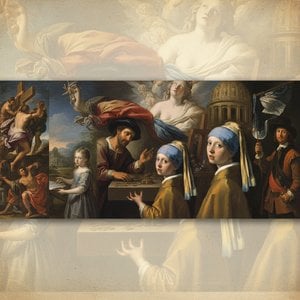
Pedro Berruguete’s “Two Wise Men,” a monumental panel painting dating from the early 16th century, stands as a compelling testament to the evolving artistic landscape of Spain. More than simply a depiction of a biblical scene – the Adoration of the Magi – it's a carefully constructed meditation on faith, power, and the human condition, rendered with a dramatic intensity that echoes both the Gothic traditions Berruguete inherited and the burgeoning Renaissance ideals he embraced. The painting’s enduring appeal lies not just in its technical brilliance but also in its ability to evoke a profound sense of mystery and spiritual contemplation.

Born in Paredes de Nava around 1450, Berruguete emerged as a pivotal figure during a period of significant artistic transition. He skillfully blended the expressive fervor of Gothic painting – particularly its use of vibrant color and dynamic figures – with the burgeoning humanist principles and geometric precision characteristic of the Italian Renaissance. This synthesis is strikingly evident in “Two Wise Men,” where the artist masterfully employs linear perspective to create an illusion of depth, drawing the viewer into a richly detailed and emotionally charged scene. The painting’s origins are shrouded in some mystery, though it's believed Berruguete spent time studying with Justus van Gent in Urbino, Italy, absorbing the influence of Florentine masters like Botticelli and Perugino.

The Composition: A Dance of Light, Gesture, and Symbolism

At first glance, the painting presents a seemingly straightforward depiction of the Magi – figures from the Bible renowned for their wisdom and devotion – approaching the infant Jesus. However, Berruguete elevates this familiar narrative through his masterful manipulation of composition and gesture. The central focus rests upon two principal male figures: one, clad in opulent robes of pale gold and adorned with a pointed hat, exudes an aura of authority and importance; the other, dressed in simpler attire, holds aloft a white cloth – a potent symbol of offering or perhaps even sacrifice. These figures are not merely static representations but rather dynamic participants in a carefully choreographed scene.

The background is dominated by an arched doorway, receding into a dark and atmospheric space populated with partially visible figures, hinting at a larger procession or gathering. This architectural element serves to heighten the sense of depth and drama, drawing the viewer’s eye towards the foreground and emphasizing the central figures. The use of chiaroscuro – the dramatic interplay of light and shadow – is particularly noteworthy, creating a powerful contrast between illuminated areas and deep shadows that sculpts the forms of the figures and imbues the scene with an almost theatrical quality. The red robes worn by some of the figures add to the sense of importance and grandeur.

Technique and Materials: A Testament to Skill and Craftsmanship

“Two Wise Men” is executed in oil on panel, a technique that allowed Berruguete to achieve remarkable detail and luminosity. The artist’s meticulous brushwork reveals a deep understanding of color theory and texture – from the shimmering fabrics to the rough surfaces of the figures' clothing. The painting demonstrates a mastery of layering techniques, building up complex forms through multiple applications of paint. The use of tempera grassa, a type of oil-based paint favored by Berruguete, contributed to the richness and durability of the colors.

Furthermore, the panel itself—likely poplar wood—adds to the painting’s character, bearing the marks of time and handling. These subtle imperfections are not blemishes but rather evidence of the artwork's history and authenticity, reminding us that we are engaging with a tangible object created by a skilled artisan. The overall effect is one of both grandeur and intimacy, inviting viewers to contemplate the profound questions raised by the scene.

Emotional Resonance: A Window into Renaissance Spirituality

Beyond its technical merits, “Two Wise Men” possesses a powerful emotional resonance. The painting’s somber palette—dominated by browns, ochres, and blacks—creates an atmosphere of solemnity and contemplation. The figures' gestures – the outstretched hands, the averted gazes – convey a sense of reverence, humility, and perhaps even uncertainty. It is not merely a depiction of a biblical event but rather an exploration of faith, devotion, and the human search for meaning. The painting’s enduring appeal lies in its ability to evoke a profound sense of mystery and spiritual contemplation, inviting viewers to reflect on their own beliefs and values.


Biografija umetnika

Pedro Berruguete: Most između gotičkog nasleđa i zore renesanse

Pedro Berruguete (oko 1450. – 1504) predstavlja ključnu figuru u istoriji španske umetnosti, označavajući presudan prelaz između svečane veličine gotičkog slikarstva i bujajućeg optimizma italijanske renesanse. Rođen u Paredes de Nava, u Kastiliji, njegova tačna godina rođenja ostaje neuhvatljiva, obavijena maglom neizvesnosti koja je karakteristična za umetnike čiji su životi bili retko dokumentovani u svoje vreme. Njegovo poreklo vuče korene iz plemićkih porodica, što mu je pružilo temelj za umetnička težnja koja će na kraju preoblikovati vizuelni pejzaže Španije. Uprkos nedostatku definitivnih biografskih detalja — što predstavlja frustrirajuću prepreku za istoričare umetnosti — Berruguetovo delo govori mnogo o njegovom dubokom razumevanju i majstorskom izvođenju stilskih inovacija. On je izronio iz senke gotičke tradicije, upijajući njen ekspresivni žar i pedantnu detaljnost, ali je istovremeno prihvatio humanističke ideale i geometrijsku preciznost koju su zastupali florentinski majstori poput Brunelleschija i Donatella. Ova dualnost je opipljiva u njegovim slikama, gde stilizovane figure koegzistiraju sa pažljivo iscrtanim draperijama i arhitektonskim elementima — što je zaštitni znak tadašnje rađene renesansne estetike. Njegovo umetničko putovanje dobilo je zamah tokom perioda obeleženog religioznim prevratima; Berruguetova najslavnija dela prikazuju scene iz ranih dana Inkvizicije, beležeći anksioznost i moralne dileme tog doba sa nepokolebljivim realizmom. Istovremeno, stvarao je zadivljujuće panele retabla za kastilijske crkve, demonstrirajući svoju tehničku veštinu i sposobnost da prenese duboke duhovne narative. Ovi porudžbine su učvrstile njegovu reputaciju vodećeg umetnika svog vremena i utvrdile njegovo mesto u umetničkom kanonu. Spekulacije o Berruguetovim putovanjima u Italiju 1ra 1480. godine su posebno intrigantne. Dokazi ukazuju na to da je boravio na dvoru Federika III da Montefeltro u Urbinu, uranjajući u vibrantno umetničko okruženje koje je podsticalo pokroviteljstvo Lorenza de Medičija. Iako atribucija ostaje predmet debata — s obzirom na to da je i Justus van Gent bio aktivan u Urbinu u tom periodu — uticaj italijanskih umetnika renesanse nesumnjivo je prožimao Berruguetovo razmišljanje i tehniku. Vratio se u Španiju 1482. godine, osnivajući atelje u Toledu i Avili, gde je nastavio da usavršava svoj stil i stvara monumentalna umetnička dela. Možda je najvažnije to što je Berruguete priznat kao otac Alonsa Berrugueta (oko 1475–1561), verovatno najvećeg španskog vajara tokom renesanse. Ova porodična veza dodatno uzdiže Berruguetov značaj — skulpturalna dostignuća njegovog sina služila su kao svedočanstvo njegovom umetničkom nasleđu i uspostavila snažnu tradiciju unutar španske umetnosti. Razlika između „Pedra“ i „Alonsa“ odražava širi kulturni pomak koji se dešavao u Španiji, gde su stariji majstori negovali mlađe talente, pokrećući umetničku inovaciju napred. Atribucija Berruguetovih slika ostaje izazovna zbog odsustva potpisa i sveobuhvatne dokumentacije. Međutim, stilska analiza — uz prateće okolnosti — ubedljivo ga povezuje sa brojnim remek-delima, uključujući „Davida“, „Ezekijela“ i „Salomona“. Ova dela exemplifikuju njegov specifičan pristup: pažljivu ravnotežu između gotičke svečanosti i renesansnog dinamizma, karakterisane ekspresivnim draperijama, monumentalnom skalom i pedantnom pažnjom posvećenom detalju. Berruguetov doprinos španskoj umetnosti je neosporan — on stoji kao svetionik umetničkog prelaza, oličavajući duh nacije koja prihvata nove horizonte dok neguje svoju uzvišenu prošlost.
Pedro Berguete

Pedro Berguete

1450 - 1504 , Španija

Osnovne informacije

  • Artistic Movement Or Style: Prelaz između gotike i renesanse
  • Artists Or Movements Influenced By This Artist: ['']
  • Artists Who Influenced This Artist: ['']
  • Date Of Birth: oko 1450.
  • Date Of Death: 1504.
  • Full Name: Pedro Berruguete
  • Nationality: Španski
  • Notable Artworks:
    • David
    • Ezekiel
    • Salomon
  • Place Of Birth: Paredes de Nava, Španija