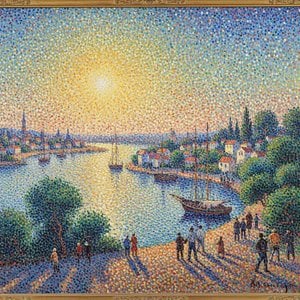
Harmonija Svetlosti i Boje: Život i Dela Pola Signaka
Pol Viktor Žil Signak, rođen u Parizu 1863. godine, izrastao je u jednu od ključnih figura evolucije moderne umetnosti, neraskidivo povezan sa rođenjem i razvojem neoimpresionizma. Iako su ga prvobitno privlačile arhitektura, susret s izložbom Kloda Monea potpalio je njegovu strast prema slikarstvu u mladosti, postavljajući ga na put koji će ponovo definisati teoriju boja i umetnički izraz. Signak nije bio samo slikar; bio je posvećen istraživač svetlosti, boje i same nauke koja leži u osnovi vizuelne percepcije. Njegovi rani radovi, iako su pokazivali impresionističke tendencije, brzo su evoluirali pod dubokim uticajem Žorža Seurea, stvarajući partnerstvo koje je rodilo pointilizam – tehniku karakterizovanu pažljivom aplikacijom sitnih, odvojenih tačaka čiste boje namenjene optičkom mešanju u oku posmatrača. Ovo nije bilo samo pitanje estetike; bio je to pokušaj sistematizacije slikarstva, utemeljenja na naučnim principima i osporavanja konvencionalnih umetničkih normi.
Dijalog sa Seureom i Rođenje Neoimpresionizma
Susret Signaka i Seurea 1884. godine bio je transformativan za obojicu umetnika. Delili su fascinaciju spisima Evžena Delakroa o teoriji boja, posebno njegovom istraživanju komplementarnih kontrasta i emocionalnog uticaja nijansi. Zajedno su se upustili u rigorozno istraživanje ovih principa, prevodeći ih u revolucionarnu tehniku slikanja. Signak je srdačno prihvatio Seureovu viziju, napuštajući prolazne poteze impresionizma za preciznu, izračunatu aplikaciju tačaka boje.
Boulevard de Clichy (1886) stoji kao rani testament ovom novom pristupu, pokazujući Signakovu pedantnost i njegovu posvećenost hvatanju vibracije urbanog života kroz naučnu prizmu. Međutim, njihova saradnja nije bila samo tehnička; bila je intelektualna, potaknuta zajedničkom željom da se slikarstvo podigne na nivo rigorozne nauke. Signak je postao posvećen zagovornik Seureovih ideja, neumorno promovišući neoimpresionizam i braneći njegove principe od kritika. Tragična prerana smrt Seurea 1891. godine ostavila je Signaka kao glavnog prvaka njihove zajedničke umetničke vizije, ulogu koju je prihvatio sa nepokolebljivom posvećenošću.
Obalne Fantazije i Umetnička Nezavisnost
Nakon Seureove smrti, Signakov umetnički put je dobio novu dimenziju, duboko uticajnu njegovom dubokom ljubavlju prema jedrenju i privlačnosti mediteranske obale. Otkrio je Svet Trope 1892. godine, uspostavljajući tamo dom koji je postao utočište za umetnike i izvor beskrajnog inspiracije. Sjajne vode, suncem okupane luke i slikovita primorska mesta pružili su idealno okruženje za istraživanje interakcije svetlosti i boje.
Crvena bova, Svet Trope (1895) primer je ovog perioda, pokazujući njegovu majstoriju pointilizma u hvatanju živih nijansi i dinamične energije mora. Njegova tehnika se razvijala, postajući fluidnija i ekspresivnija uz zadržavanje svoje naučne osnove. Počeo je da eksperimentiše sa većim potezima kista i širim paletama boja, odmakavši se od strogog pridržavanja Seureove precizne tačkanja metode. Signakova putovanja su se protezala van Francuske, obuhvatajući Italiju, Holandiju, pa čak i Konstantinopolj, svako putovanje je obogatilo njegov umetnički vokabular i proširilo njegovu perspektivu.
Pokrovitelj Avangarde i Trajno Nasleđe
Pored sopstvenih umetničkih nastojanja, Signak je igrao ključnu ulogu u podsticanju razvoja moderne umetnosti kroz svoje vođstvo unutar Société des Artistes Indépendants. Kao predsednik od 1908. do njegove smrti 1935. godine, zagovarao je umetničku slobodu i pružio platformu za nadolazeće talente, uključujući Henri Matissea, Andrea Deraina i druge pionire Fauvizma i Kubizma. Bio je među prvima koji su prepoznali i podržali njihov inovativni rad, izlažući kontroverzne komade koji su osporavali konvencionalne estetske norme. Signakova posvećenost inkluzivnosti i njegova spremnost da prihvati inovacije pomogla je u oblikovanju putanje umetnosti 20. veka. Njegovi teoretski spisi, posebno
Od Evžena Delakroa do neoimpresionizma (1899), dalje su učvrstili njegov položaj kao vodeće intelektualne figure u svetu umetnosti. Nasleđe Pola Signaka seže daleko van njegovih očaravajućih slika; bio je vizionar, posvećen teoretičar i velikodušan pokrovitelj koji je duboko uticao na tok moderne umetnosti, ostavljajući neizbrisiv trag na generacije umetnika.
Ključni Datumi i Dostignuća
- 1863: Rođen u Parizu, Francuska.
- 1884: Suosnivač Société des Artistes Indépendants sa Žoržom Seureom.
- 1886: Naslikao *Boulevard de Clichy*, ključni primer ranog pointilizma.
- 1895: Napravio *Crvenu bovu, Svet Trope*, pokazujući njegovu majstoriju obalnih prizora.
- 1899: Objavio *Od Evžena Delakroa do neoimpresionizma*, seminalno delo o teoriji boja.
- 1908 – 1935: Bio predsednik Société des Artistes Indépendants, zagovarajući umetnike avangarde.
- 1935: Preminuo u Parizu u dobi od 72 godine, ostavljajući iza sebe bogato umetničko nasleđe.



 Pregledaj u prostoru
 Naručite ručno oslikano reprodukciju
 Podeli
 Podeli
 Detalji
 Vodič
Vodič

 Preuzmi sliku
 Slični predmeti
 Rendgenski snimak
 Automatska prezentacija
 Statistika


 Pročitaj više






































 Opcija sa staklom dostupna je samo za dimenzije manje od 110 cm