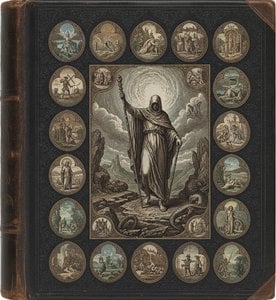
Gustave Doré: Svetlosni i Senkasti Majstor Ilustracije
Paul Gustave Louis Christophe Doré, poznatiji kao Gustave Doré, bio je figura koja je premošćivala svet ilustracije, slikarstva i skulpture neverovatnom veštinom. Rođen u Strazburu, Francuska, 6. januara 1832. godine, njegov život se odigrao tokom perioda ogromnih društvenih i umetničkih promena, vremena kada je romantizam još bio dominantan, ali ustupao mesto novim strujama realizma i simbolizma. Već kao dete, Doré je pokazivao izuzetan talenat, ne samo u crtanju – što je počeo u veoma ranoj dobi – već i u ličnosti koja je nagoveštavala dramatičan sjaj koji će definisati njegov rad. Priče kruže o mladalačkim podvignućima koja su demonstrirala zrelost iznad godina, najavljujući složene i često melankolične teme koje će prožimati njegovu umetnost. Njegova profesionalna karijera počela je neverovatno rano, sa petnaest godina, kao karikaturista za francuski časopis *Le Journal pour rire*, usavršavajući svoje veštine posmatranja i kompozicije u živahnom svetu pariškog satire.
Od Karikatura do Književnih Giganta: Uspon Ilustratora
Doréove prve narudžbine postavile su temelje za njegovu buduću slavu. Dela poput *Les Travaux d'Hercule* (1847), *Trois artistes incompris et mécontents* (1851) i *Les Dés-agréments d'un voyage d'agrément* (1851) pokazala su procvat talenta za dinamičnu kompoziciju i majstorsku upotrebu svetla i senke, čak i u ovim relativno skromnim počecima. Duboko je bio inspirisan ilustracijama J.J. Grandvillea, čija fantastična slika i satirična ivica rezonirali su sa Doréovim sopstvenim razvojem stila. Međutim, upravo kroz saradnju sa književnim velikanima Doré je zaista dostigao istaknutu poziciju. Godine 1853. primio je narudžbinu da ilustruje dela Lorda Byrona, što mu je otvorilo vrata za daljnje prestižne projekte. Sledi monumentalni zadatak ilustrovanja Biblije, projekat koji će učvrstiti njegov ugled i izložiti njegovu umetnost širokoj međunarodnoj publici. Njegove ilustracije za *Don Kihota* Cervantesa u 1860-im godinama bile su posebno uticajne, duboko su uticale na naknadne interpretacije likova i narativa. On nije samo ilustrovao ove priče; on ih je ponovo zamišljao, nadajući ih dramatičnom intenzitetom koji je zarobio maštu čitalaca širom sveta. Preko veličine izdanja Edgara Alana Poa “The Raven”, završenog 1883. godine, zaradio je impresivnih 30.000 franaka od Harper & Brothers, što ukazuje na komercijalni uspeh pored umetničke slave koju je postigao. Njegova saradnja sa Blanchardom Jerroldom na *London: A Pilgrimage* (1872) bila je posebno bolna i kontroverzna dela, prikazujući gorku stvarnost londonskog siromaštva viktorijanskog doba i pokrenuvši raspravu o društvenim uslovima.
Majstor Tehnike: Drvorez i Romantična Vizija
Doréova umetnička veština ležala je ne samo u njegovoj imaginarnoj viziji, već i u njegovom tehničkom majstorstvu, posebno u drvorezu. Imao je izvanrednu sposobnost da stvara neverovatno detaljne i dramatične slike ovom medijumom, veštinu koja je omogućila masovnu proizvodnju i široku distribuciju njegovog rada. Njegove kompozicije se odlikuju dinamičnošću, snažnim kontrastima između svetla i senke – tehnikom poznatom kao *chiaroscuro* – i osećajem veličine koji često budi osećaj divljenja ili čak užasa. Često je zapošljavao veliki tim rezbarenih drveta kako bi preveo svoje dizajne u drvoreze, omogućavajući efikasnu proizvodnju potrebnu da zadovolji zahteve izdavača i čitalaca. Njegov stil čvrsto se zasniva na romantičkoj tradiciji, naglašavajući emocije, maštu i uzvišeno – fascinaciju premoćnom snagom prirode i ljudskog stanja. On nije samo snimao scene; on ih je interpretirao kroz prizmu pojačane emotivnosti i dramatičnog sjaja. Ovaj pristup, iako slavljen od mnogih, izazvao je i kritike nekih savremenika koji su njegov rad smatrali previše teatralnim ili senzacionalističkim.
Nasleđe i Trajni Uticaj
Gustave Doré primio je čast da bude imenovan za Chevaliera Légion d'honneur od strane francuske vlade 1861. godine, svedočeći o njegovom rastućem priznanju u umetničkim krugovima. Međutim, njegovo pravo nasleđe seže daleko izvan nagrada i priznanja. Njegove ilustracije su imale dubok uticaj na vizuelnu kulturu, inspirišući umetnike i čitaoce generacijama. Vincent van Gogh je bio među onima koji su bili duboko inspirisani Doréovim radom, posebno njegovim prikazima patnje i teškoća, prepoznajući u njima zajedničku osetljivost na stanje čovečnosti. Uprkos kritikama tokom svog života – neki su smatrali da je njegov stil previše dramatičan ili bez subtilnosti – Doréov rad se sada slavi zbog svoje umetničke vrednosti i istorijskog značaja. Njegove ilustracije nastavljaju da oblikuju naše razumevanje klasične književnosti i viktorijanskog društva, nudeći snažnu vizuelnu interpretaciju bezvremenskih priča i trajnih tema. Umro je 23. januara 1883. godine, ostavivši iza sebe ogromno delo koje nastavlja da fascinira i inspiriše.
Njegova umetnost ostaje svedočanstvo moći ilustracije ne samo da prikazuje, već i interpretira i transformiše svet oko nas.
Značajna dela
- Prodavci cveća iz Londona (1875): Poignantno prikaz viktorijanskog siromaštva i otpornosti, pokazuje porodične veze usred teškoća.
- Hrišćanski mučenici: Dramatično remek-delo koje prikazuje veru i progon sa snažnom emocijom.
- Ilustracije za Danteovu *Inferno*: Možda njegovo najpoznatije delo, ove gravure su oživljavale užasne vizije Danteovog pakla neuporedivom intenzitetom.
- Ilustracije za Miltonov *Izgubljeni raj*: Doréova interpretacija ovog epskog pesme poznata je po svojoj veličini i dramatičnom sjaju.
- Židovski lutalica (1856): Popularno delo, iako sadrži antisemitske podtonove koji su odražavali vreme.



 Pregledaj u prostoru
 Pređi na štampu
 Pošalji
 Podeli
 Detalji o delu

 Преузми
 Slični predmeti
 Rendgenski snimak
 Slajdovi
 Statistika

 Pročitaj više






































 Opcija sa staklom dostupna je samo za dimenzije manje od 110 cm