Biografija umetnika
Револуционарна Визија: Живот и Дело Паула Сезана
Паул Сезан, рођен у Екс-ан-Провансу 1839. године, представља монументалну фигуру која спаја мимотретне импресије импресионизма и фрагментиране форме кубизма. Пут његовог стваралаштва није био обележен одмах признањем; већ је био постепени процес уметничког истраживања, испуњен периодима сумње у себе и критичких одбацивања, који се завршава кулминацијом наслеђа које ће незадрживо променити ток модерне уметности. Рођен у добростојећој породици – његов отац је прво био произвођач шешира, а касније банкар – Сезан је уживао финансијску сигурност неуобичавену за аспиранте уметнике, што му је дало слободу да се посвети својој страсти без непосредног притиска комерцијалног успеха. Иако га је отац првобитно усмеравао ка правној каријери, снага уметничког изражавања била је пресилнија, и он је на крају напустио право да се посвети сликарству, одлука која ће дефинисати његов живот. Утицаји у раним годинама укључивали су романтизам који је био распрострањен у то време и посвећеност школе Барбизон сликарству пејзажа, али је кроз сусрете са уметницима као што су Пол Гоген и Жорж Серат, и њиховим иновативним приступима боји и облику, Сезан почео да кује свој посебан пут.
Од Тамних Тона до Структуре: Еволуција Стилова
Сезанов рани рад често је одражавао драматичне, емотивно наежгујуће теме карактеристичне за романтичко сликарство – тамне палете и изражајна техника сликања доминирале су његовим платнома. Међутим, ова почетна фаза била је само прелазна степеница ка далеко аналитичкијем и напреднијем приступу. Неудовлетворен чињеницом да једноставно забиљежи мимотретне импресије светлости, као што су то волели импресионисти, Сезан се упустио у потрагу да разуме и представи саме основе објекта. Он није тражио само *шта* види, већ и *како* доживљава фундаменталне форме које чине стварност. Ово га је навело да разбија природне облике на њихове геометријске еквиваленте – конусе, цилиндре, сфере – предвиђајући кубистичку револуцију деценијама пре него што се она догодила. Његова техника постала је карактеристична за мале, понављајуће покрете четком, пажљиво наслагане да би се изградила сложена поља боја и текстура, стварајући осећај чврстине и дубине до тада непознат у сликарству. Није био заинтересован за илузионистички простор; уместо тога, често је представљао предмете из више перспектива истовремено, изазивајући традиционалне појмове перспективе и принуђујући посматрача да активно учествује у конструисаној природи његових композиција. Ово намерно изобличење није било произвољно, већ покушај да се пренесе комплетније разумевање форме, представљајући не само један тренутак у времену, већ синтезу перцепције.
Пејзажи, Натдреда и Људско Тело: Кључна Дјела и Повратне Теме
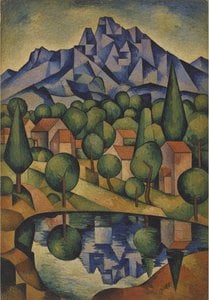
Сезаново дело изузетно је разноврсно, обухвата пејзаже, натдреде, портрете и приказе купача, али су све уједињене његовим посебним приступом форми и боји. Поточић у Жа де Буфану, сликан 1880. године, представља његов рад на пејзажу, демонстрирајући способност да се ухвати суштина природе кроз пажљиву аранжману облика и тонова. Портрет Емила Зола, настао 1866. године, открива његов развијајући стил и нуди убедљив увид у интелектуалну интензивност његовог блиског пријатеља и колеге писца. Његове натдреде, као што су оне које приказују јабуке и друго воће, нису само репрезентације објекта, већ истраживања обима, светлости и просторних односа. Серија Мон Сенте-Виктоар постала је опсесија за Сезана, повратна тема која му је омогућила да беспрекорно испитује форму и перспективу током деценија. Ови сликани нису само прикази планине; они су студије како ми перципирамо дубину, обим и интеракцију светлости и сенке. На крају, његова серија Купача, која приказује гола тела у идиличном пејзажу, представља продубно испитивање људског тела и његове везе са природом, често надахнута осећајем безвременске тишине и размишљања.
Наслеђе Ковано Иновацијама: Сезанов Утицај на Модерну Уметност
Утицај Паула Сезана на касније генерације уметника неизмерив је. Широко се сматра „оцем модерне уметности“ због његових револуционарних доприноса пикторијском језику, отварајући пут многим од главних уметничких покрета 20. века. Пабло Пикасо и Жорж Брак дубоко су били задужени за Сезанов наглашак на геометријским формама и множењу перспектива, што је постало централна догма кубизма. Његова смела употреба боје такође је инспирисала покрет Фависта, предвођен уметницима као што су Анри Матис, који је прихватио живе, нереалистичне нијансе. Чак су и срцедални уметници нашли резонанцу у Сезановом испитивању субјективне перцепције и психолошке дубине. Изван специфичних покрета, Сезанова инсистенција на личном визији уметника и његово одбацивање традиционалних академских ограничења ослободила су генерације сликара да истражују нове облике изражавања. Он је изазвао сам дефиницију репрезентације, померајући фокус са омањивања стварности на конструисање визуелног искуства заснованог на основним структурама и субјективној перцепцији. Његова смрт 1906. године обележила је не крај, већ почетак – зору нове ере у историји уметности, дубоко обликовану његовом револуционарном визијом.



 Pregledaj u prostoru
 Naručite ručno oslikano reprodukciju
 Podeli
 Podeli
 Detalji
 Vodič
Vodič

 Preuzmi sliku
 Slični predmeti
 Rendgenski snimak
 Automatska prezentacija
 Statistika

 Pročitaj više






































 Opcija sa staklom dostupna je samo za dimenzije manje od 110 cm