Рани живот и сенка рата
Вилхелм Хајнрих Ото Дикс, рођен 1891. године у Унтерхаусу, Немачка, изникнуо је из света прожетг индустријским радом и тихом уметничком жељом. Његов отац се мучио као радник у ливарници гвожђа, док је његова мајка негује духовни дух, стварајући кућну атмосферу која је суптилно подстицала младог Ота да развија своје креативне тежње. Кључно је било утицај његовог рођака, сликара Фрица Амана, који је заправо пробудио Диксову амбицију. Сати проведени у Амановом атељеу нису били само лекције технике; то је било уроњење у свет где је уметнички израз имао опипљиву моћ. Ово рана изложеност довела је до учеништва код Карла Сенфа и накнашних студија на Кунстгевербешулеу у Дрездену, иако су првобитно били усмерени на примењену уметност, а не на фино сликање. Међутим, катаклизма Првог светског рата је необративо обликовала Диксову уметничку трајекторију. Добровољно се пријавио за службу и искусио бруталну реалност рововског ратовања из прве руке, трауму која ће га прогонити деценијама. Ужаси доживљени у биткама као што су Сома и Фландрија оставили неизбрисив траг, претварајући га из перспективног пејзажног сликара у хроничара људске патње и друштвеног распада.
Вајмарска република и Нова објективност
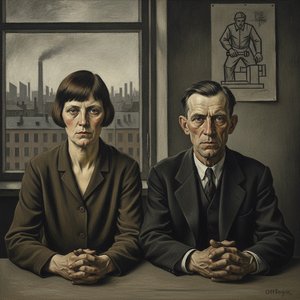
Враћајући се са рата, Дикс је драматично променио своје искуство у немилосрдне прилике његових последица. Његови рани радови након рата одражавали су експресионистичке тенденције, али се ускоро окренуо новој естетици – *Новој објективности* (Neue Sachlichkeit). Овај покрет је одбацио емоционалну апстракцију у корист оштрог реализма и критичког друштвеног коментара. Дикс је постао један од водећих представника поред Џорџа Гроса и Макса Бекмана. Слике као што је *Ров* (1923) изазвале су јавни гнев својим графичким приказом раскиданих тела, терајући музеје да сакривају рад од погледа јавности. То није била само потреба за шоком; то је био намерни покушај да се гледаоцима представи брутална истина рата, уклањањем било каквих романтизованих нотација хероизма или славе. Није избегавао приказивање физичких и психолошких рана које су нанели војници, нити је игнорисао друштвену равнодушност према њиховој судбини. Серија слика *Ратни инвалиди* додатно је подвукао ову тему, приказујући ветеране маргинализоване и заборављене од стране друштва жељног да крене даље. Осим рата, Дикс је окренуо поглед ка вишковима и моралном банкроту Вајмарске Немачке. *Метрополис* (1928) је оштар напад на градски живот, испуњен сценама разврата, проституције и друштвене изолације. Његови портрети из овог периода су подједнако немилосрдни, захватајући цинизам и декаденцију елите те ере.
Политички превирања и каснији радови
Када се Немачка спустила у политичке превирања 1930-их година, Дикс се све више мета нацистичког режима. Његова уметност је проглашена „дегенерисаном“ и отпуштен са позиције професора на Дрезденској Академији лепих уметности 1933. године. Суочен са прогоном и цензуром, Дикс се постепено удаљио од отворено политичких тема, окрећући се уместо тога пејзажима и религиозним мотивима – стратешком потезу за самочување. Међутим, чак и ови каснији радови су задржали осећај основне напетости и нелагодности. Током Другог светског рата, поново је регрутован у немачку војску, искуство које је додатно учврстило његов антиратни став. Након рата, Дикс је доживео обновљено признање и аплауз, иако га траума оба конфликта није напустила ни уметности. Постао је поштована фигура у послератној Немачкој, али никада није побегао из сенке свог ратног искуства.
Наслеђе и уметнички утицај
Уметничко наслеђе Ота Дикса је многострано и трајно. Остаје један од најважнијих немачких сликара 20. века, познат по свом непомирућивом реализму, оштрој друштвеној критици и немилосрдном приказу људске патње. Његов утицај се види у раду наредних генерација уметника који су тражили да се суоче са тешким истинама и изазову друштвене норме.
Диксова способност да споји техничку вештину са емоционалним интензитетом га издваја; он није само документовао стварност, већ је тумачио кроз објектив дубоког саосећања и моралног негодовања. Његово истраживање тема као што су рат, траума, друштвена неправда и људско стање наставља да одјекује код публике данас. Показао је да уметност може бити и естетички моћна и политички ангажована, служећи као снажна сила за друштвене промене.
- Диксови радови су представљени у водећим музејима широм света, укључујући Музеј модерне уметности у Њујорку и Суермондт-Лудвиг-Музеј у Немачкој.
- Његове отиске, посебно *Рат*, сматрају се ремек-делима графичке уметности.
- Он остаје кључна фигура за разумевање уметничког и друштвеног пејзажа Вајмарске Немачке.
Диксова уметност служи као оштар подсетник на ужасе рата и крхкост људског постојања – сведочанство његове храбрости, визије и трајне посвећености истини.



 Pregledaj u prostoru
 Naručite ručno oslikano reprodukciju
 Podeli
 Podeli
 Detalji
 Vodič
Vodič

 Preuzmi sliku
 Slični predmeti
 Rendgenski snimak
 Automatska prezentacija
 Statistika


 Pročitaj više






































 Opcija sa staklom dostupna je samo za dimenzije manje od 110 cm