


 Oil On CanvasWallArtNeoclassical Style
 1775Early Modern
 175.0 x 123.0 cm
 Nacionalna galerija Danske
Kupite digitalnu sliku visoke rezolucije i poboljšanog kvaliteta, koja je znatno superiornija od onoga što vidite u online prikazu.
Svaka datoteka je pedantno pripremljena od strane naših stručnjaka koristeći napredne alate i profesionalnu ručnu retušu. Osiguravamo da svaka slika ima izuzetnu oštrinu, preciznu reprodukciju boja i fine detalje.
Konačna datoteka se dostavlja putem e-pošte u roku od 72 sata, optimizovana za neposrednu upotrebu u profesionalnim, izdavačkim i štamparskim okruženjima. To je isti kvalitet kojem veruju vrhunski studiji dizajna, izdavači i galerije.
Preuzmite datoteku visoke rezolucije za ličnu upotrebu, štampanje i kreativne projekte. ( Kupi print Kupi ručno naslikanu sliku)
Kada odaberete WahooArt.com, ne dobijate samo sliku – vi primate profesionalno unapređeno digitalno umetničko delo, izrađeno sa najvećom preciznošću i uz garanciju zadovoljstva. Evo svega što automatski dolazi uz vašu porudžbinu:

Vaša digitalna slika visoke rezolucije biće vam poslata putem e-pošte u roku od 72 sata od poručivanja – spremna za trenutnu upotrebu.

Vaše umetničko delo je profesionalno optimizovano korišćenjem naprednih AI alata i ručne obrade, čime se osiguravaju maksimalni detalji, oštrina i preciznost boja.

Slučajno ste obrisali ili izgubili svoju datoteku? Ne brinite – poslaćemo vam je ponovo u bilo kom trenutku, potpuno besplatno.

Uživajte u svojim umetničkim delima trenutno, bez carine, dažbina ili troškova dostave – digitalni download je uvek bez poreza.

Uz pomoć profesionalnih alata i upravljanja bojama, osiguravamo da vaša digitalna slika što vernije odražava originalne boje.

Ako niste zadovoljni svojom digitalnom slikom, izvršićemo reviziju ili ćemo vam vratiti 100% novca u roku od 100 dana – bez ikakvih pitanja.

Niste zadovoljni? Dobijte puni povraćaj novca u roku od 100 dana od prijema digitalne datoteke – bez suvišnih pitanja.

Kupite 3 slike, uštedite 10% - Kupite 5 slika, uštedite 15% - Kupite 10+ slika, uštedite 20%. Odlično za kreativne projekte, galerije i agencije.
In the quiet intensity of Nicolai Abraham Abildgaard’s 1775 masterpiece, The Wounded Philoctetes, we encounter more than a mere mythological tableau; we witness a profound psychological rupture. The painting serves as a defiant departure from the rigid, idealized restraint of Neoclassicism, stepping instead into the raw, emotive territory that would soon define the Romantic era. Abildgaard does not simply depict the legendary Greek hero; he invites us to inhabit his suffering. As Philoctetes sits exiled on the desolate Lemnos Island, the viewer is confronted with a visceral study of Weltschmerz—that pervasive sense of world-weariness and existential melancholy that haunted the intellectual landscape of Northern Europe during this transformative period.
The subject matter draws deeply from the well of Homeric legend, portraying the hero following his abandonment by the Greeks due to a festering wound. Through Abildgaard’s lens, the physical trauma of the snakebite becomes a metaphor for the deeper, more insidious wounds of betrayal and isolation. The composition is anchored by the hero's contorted posture, where every strained muscle and twisted limb speaks to an unbearable physical and emotional burden. This narrative depth transforms the canvas from a historical illustration into a timeless exploration of human vulnerability and the resilience required to endure profound abandonment.
Technically, Abildgaard achieves a breathtaking tension through his masterful use of chiaroscuro. Drawing inspiration from the dramatic shadows of Caravaggio, the artist employs sharp contrasts between light and dark to sculpt the figure out of the gloom. This technique does more than create depth; it directs the eye toward the hero's wounded flesh and the rugged textures of his surroundings, heightening the sense of immediate, tactile pain. The play of light across the musculature is nothing short of sculptural, reminiscent of Michelangelo’s Torso Belvedere, lending the figure a monumental presence that commands the space.
The artist's approach to anatomy is both precise and expressive. Rather than seeking an unattainable perfection, Abild gaard focuses on the physicality of distress. The way the man holds himself up with a single hand, the tension in his back, and the visible scars across his skin all contribute to a sense of lived experience and survival. This anatomical realism serves the emotional purpose of the work, ensuring that the viewer feels the weight of the hero's plight. For the discerning collector or designer, this level of technical sophistication offers a piece that is both intellectually stimulating and visually arresting.
Beyond the central figure, the subtle details within the scene enrich the painting’s symbolic tapestry. The presence of scattered books suggests a reservoir of wisdom or perhaps the heavy burden of knowledge gained through hardship, while the bow and arrow serve as poignant reminders of his lost glory and his identity as a warrior. Even the leopard skin rug upon which he rests adds a layer of primal, untamed energy to the composition, contrasting with the intellectual weight of the surrounding elements. These details create a rich, layered environment that rewards prolonged contemplation.
For those looking to integrate such a powerful work into a curated interior, The Wounded Philoctetes offers an unparalleled opportunity to introduce drama and historical gravity. As a high-quality reproduction, it brings the brooding elegance of the late 18th century into a modern setting, acting as a focal point that sparks conversation and evokes deep emotion. It is a piece for those who appreciate art that does not merely decorate a room but breathes life, history, and a profound sense of human truth into its surroundings.

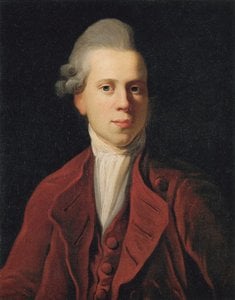
1743 - 1809 , Danska

 Pregledaj u prostoru
 Pošalji
 Podeli
 Detalji o delu

 Преузми
 Slični predmeti
 Rendgenski snimak
 Slajdovi
 Pročitaj više


