

Giclée štampa ili print na platnu muzejskog kvaliteta uz brzu izradu i raznovrsne opcije završne obrade. ( Kupite ručno oslikano delo Pređi na digitalnu sliku)
Izaberite jednu od naših unapred definisanih veličina koje odgovaraju originalnim proporcijama umetničkog dela.

Unesite željenu širinu i visinu kako bi se štampa uklopila u vaš ram ili zid. Štampu je moguće samo iseći, ali nikada povećati iznad dimenzija originalne slike, stoga format sa drugačijim proporcijama uzrokuje gubitak dela slike. Pre početka štampe, poslaćemo vam digitalni prikaz radi potvrde. Slika prikazana na ovoj stranici ne predstavlja stvarni isrez — to pokazuje samo digitalni prikaz.
Dostava širom sveta () za 2 nedelje umesto uobičajenih 4/5 nedelja. (8 новембар)
Chapel battle
Dimenzije reprodukcije

Mór Than was born in 1828 in Óbecse (modern-day Bečej, Serbia). His early life laid the foundation for a career deeply rooted in Hungarian artistic tradition. He received his formal art education in both Italy and Vienna, immersing himself in the prevailing European styles of the time. This period proved crucial in shaping his technical skills and broadening his artistic horizons.
Than’s artistic style is best described as realistic with pre-impressionist tendencies. He skillfully blended meticulous detail with a growing interest in capturing the fleeting effects of light and atmosphere, foreshadowing the developments that would characterize Impressionism. His work demonstrates a clear departure from purely academic traditions while still maintaining a strong foundation in classical techniques.
Throughout his career, Than focused on several key themes. Historical events were a frequent source of inspiration, allowing him to depict significant moments in Hungarian history with dramatic flair. He also excelled at portraiture, capturing the likenesses and personalities of prominent figures of his time. Additionally, he explored mythological and fantasy themes, showcasing his versatility and imagination.
Than was influenced by the artistic currents prevalent in Italy and Vienna during his education. He collaborated with other prominent Hungarian painters of his time, fostering a vibrant artistic community. His work, while rooted in realism, anticipated some of the stylistic shifts that would define Impressionism. Though not as widely recognized internationally as some of his contemporaries, Mór Than remains an important figure in Hungarian art history.
Mór Than passed away in Trieste (now part of Italy) in 1899. His legacy continues to be celebrated through exhibitions of his work and scholarly studies of his artistic contributions. He remains a significant figure for understanding the development of Hungarian painting during the 19th century.

1828 - 1899 , Serbia

Explore the visceral visual language of battle art through masters like Rosa and Matejko. Discover the profound truth behind conflict on canvas.

Explore the dramatic intensity of naval combat through art history. From Romanticism to classical maritime masterpieces, discover how legendary painters captured the chaos, light, and heroism of sea battles in breathtaking oil paintings.
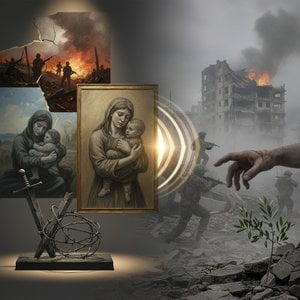
Explore a profound collection of historical war art. From visceral realism to poignant depictions of human resilience, discover museum-quality oil reproductions and expert insights for the discerning collector seeking to preserve history's most powerful echoes.

Embark on a visual journey through history's most powerful war paintings. Explore the dramatic mastery of Romanticism and Realism through expert analysis of epic battle scenes on canvas, celebrating the profound emotion and artistry behind art history's greatest military masterpieces.
 Pregledaj u prostoru
 Pošalji
 Podeli
 Detalji o delu
 Vodič
Vodič

 Preuzmi
 Slični predmeti
 Rendgenski snimak
 Automatska prezentacija
 Pitanja i odgovori
 Statistika
 Pročitaj više






































 Opcija sa staklom dostupna je samo za dimenzije manje od 110 cm


