

Umetničko delo prikazano na ovoj stranici zaštićeno je autorskim pravima, što znači da zakonski nismo u mogućnosti da kreiramo niti prodajemo identičnu reprodukciju. Ova zaštita se sprovodi u skladu sa međunarodnim sporazumima kao što su Bernska konvencija i nacionalnim zakonima, uključujući i one koji su definisani u Američki zakon o autorskom pravu – Naslov 17.
Ovaj metod je u potpunosti usklađen sa regulativama o autorskim pravima jer ne podrazumeva kopiranje ili dupliranje zaštićenih umetničkih dela. Umesto toga, reč je o kreativnoj reinterpretaciji – novom slikarskom delu koje je inspirisano originalom, ali nije identično njemu.
Giclée štampa ili print na platnu muzejskog kvaliteta uz brzu izradu i raznovrsne opcije završne obrade. ( Kupite ručno oslikano delo Pređi na digitalnu sliku)





























Izaberite jednu od naših unapred definisanih veličina koje odgovaraju originalnim proporcijama umetničkog dela.

Unesite željenu širinu i visinu kako bi se štampa uklopila u vaš ram ili zid. Štampu je moguće samo iseći, ali nikada povećati iznad dimenzija originalne slike, stoga format sa drugačijim proporcijama uzrokuje gubitak dela slike. Pre početka štampe, poslaćemo vam digitalni prikaz radi potvrde. Slika prikazana na ovoj stranici ne predstavlja stvarni isrez — to pokazuje samo digitalni prikaz.
Dostava širom sveta () za 2 nedelje umesto uobičajenih 4/5 nedelja. (9 новембар)
The Donne Triptych (detail 2) - (central panel)
Dimenzije reprodukcije
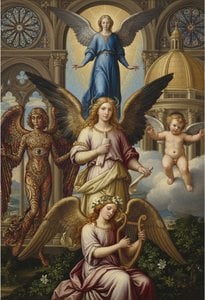
In the heart of the fifteenth-century Flemish Renaissance, amidst the bustling, prosperous streets of Bruges, Hans Memling captured a moment of profound divine intimacy that continues to captivate the soul centuries later. The Donne Triptych (central panel) is not merely a painting; it is a window into a sacred realm where the earthly and the divine converge in perfect harmony. At its center, the Virgin Mary cradles the infant Jesus, her presence radiating a serene maternal compassion that anchors the entire composition. This central scene, part of a larger devotional masterpiece commissioned around 1478 for the diplomat Sir John Donne, serves as a breathtaking testament to the spiritual fervor and artistic sophistication of the Early Netherlandish tradition.
The atmosphere of the piece is one of unparalleled tranquility, achieved through Memling’s masterful command of symmetry. Flanking the Virgin, angelic figures are depicted with such delicate grace that one can almost hear the ethereal melodies of the musical instruments they play. This sense of celestial music creates a rhythmic balance, drawing the viewer's eye inward toward the holy figures. Beyond the ornate architectural setting, a stylized landscape unfolds, offering a pastoral counterpoint to the sacred interior. This juxtaposition of the intimate, sheltered sanctuary and the expansive, sunlit countryside reinforces the theme of divine grace permeating all levels of existence, from the most private devotion to the vastness of creation.
To behold a reproduction of this work is to appreciate the meticulous technical brilliance that defined Memling’s workshop. Following in the footsteps of his mentor, Rogier van der Weyden, Memling utilized the revolutionary medium of oil paint on wood panels to achieve a level of realism previously unseen in Northern Europe. Through the painstaking application of translucent glazes, he layered colors to create a luminous depth, allowing light to appear as if it were emanating from within the figures themselves. This technique brings a startling vitality to the textures of the scene—the soft, velvet-like skin of the Christ Child, the heavy, rich fabrics of the Virgin’s robes, and the cold, precise details of the surrounding architecture.
For the discerning collector or interior designer, this painting offers more than just visual beauty; it provides a profound emotional resonance. The rich palette of deep reds, celestial blues, and warm golds lends a regal dignity to the work, making it an extraordinary focal point for any space dedicated to contemplation or sophisticated elegance. Every brushstroke serves to elevate the subject matter, transforming a religious narrative into a timeless exploration of beauty, peace, and the enduring human connection to the sacred.
U katalogu je delo „The Donne Triptych (detail 2) - (central panel)”, autor Ханс Мемлинг klasifikovano kao WallArt. Ova kategorija pomaže u pronalaženju sličnih radova.
„The Donne Triptych (detail 2) - (central panel)”, autor Ханс Мемлинг prikazuje Statement kontrast između svojih svetlih i tamnih delova.
"The Donne Triptych (detail 2) - (central panel)" pripada periodu Renaissance.


Немачка

Explore the exquisite precision of Flemish painting. From Jan van Eyck to Robert Campin, discover the revolutionary oil techniques and rich symbolism that defined the Northern Renaissance and continue to inspire fine art collectors today.
Explore the profound beauty of angelic figures in art history. From Renaissance masterpieces to celestial symbolism, our expert guide offers a sophisticated journey through the divine imagery of the Old Masters for discerning collectors and art enthusiasts.

Journey through the Northern Renaissance with 10 iconic Early Netherlandish masterpieces. From Jan van Eyck to Rogier van der Weyden, explore the stories and techniques behind these timeless oil paintings. Find museum-quality art reproductions at WahooArt.com. Explore the full collection online.

Immerse yourself in the divine beauty of the Italian Renaissance. Explore 25 iconic Fra Angelico masterpieces, from ethereal frescoes to sacred panel paintings. Find inspiration and museum-quality art reproductions for your decor. Discover all masterpieces on WahooArt.com.

Immerse yourself in the profound emotion of Rogier van der Weyden. Explore 25 iconic Early Netherlandish masterpieces, from intricate textures to divine pathos. Find inspiration for museum-quality art reproductions and decor. Discover all masterpieces on WahooArt.com.
 Pregledaj u prostoru
 Pošalji
 Podeli
 Detalji o delu
 Vodič
Vodič

 Preuzmi
 Slični predmeti
 Rendgenski snimak
 Automatska prezentacija
 Pitanja i odgovori
 Statistika

 Pročitaj više









 Opcija sa staklom dostupna je samo za dimenzije manje od 110 cm


