


Umetničko delo prikazano na ovoj stranici zaštićeno je autorskim pravima, što znači da zakonski nismo u mogućnosti da kreiramo niti prodajemo identičnu reprodukciju. Ova zaštita se sprovodi u skladu sa međunarodnim sporazumima kao što su Bernska konvencija i nacionalnim zakonima, uključujući i one koji su definisani u Američki zakon o autorskom pravu – Naslov 17.
Ovaj metod je u potpunosti usklađen sa regulativama o autorskim pravima jer ne podrazumeva kopiranje ili dupliranje zaštićenih umetničkih dela. Umesto toga, reč je o kreativnoj reinterpretaciji – novom slikarskom delu koje je inspirisano originalom, ali nije identično njemu.
Giclée štampa ili print na platnu muzejskog kvaliteta uz brzu izradu i raznovrsne opcije završne obrade. ( Kupite ručno oslikano delo Pređi na digitalnu sliku)





























Izaberite jednu od naših unapred definisanih veličina koje odgovaraju originalnim proporcijama umetničkog dela.

Unesite željenu širinu i visinu kako bi se štampa uklopila u vaš ram ili zid. Štampu je moguće samo iseći, ali nikada povećati iznad dimenzija originalne slike, stoga format sa drugačijim proporcijama uzrokuje gubitak dela slike. Pre početka štampe, poslaćemo vam digitalni prikaz radi potvrde. Slika prikazana na ovoj stranici ne predstavlja stvarni isrez — to pokazuje samo digitalni prikaz.
Dostava širom sveta () za 2 nedelje umesto uobičajenih 4/5 nedelja. (9 новембар)
The Donne Triptych
Dimenzije reprodukcije
To stand before this magnificent triptych is to step directly into the richly colored, deeply contemplative world of the late 15th century. Hans Memling, the celebrated Bruges Master, has gifted us a composition that transcends mere depiction; it offers an intimate narrative tapestry woven from human interaction and spiritual yearning. The piece immediately draws the eye across its three distinct panels, each vignette presenting a moment suspended in time—a tableau vivant of devotion, scholarship, and communal life. One senses the hushed reverence of the setting, a place where earthly concerns mingle seamlessly with profound spiritual contemplation.
Memling’s technical brilliance is breathtakingly apparent upon close inspection. His handling of oil paint allows for an almost hyper-realistic rendering of textures—the heavy folds of the red garments, the subtle sheen on polished wood, and the delicate quality of skin tones speak to a mastery that only decades of dedicated practice could achieve. The composition itself, spanning three interconnected scenes, demonstrates a sophisticated understanding of pictorial space. Notice how the figures are arranged not just for visual balance, but to guide the viewer's eye through a narrative progression. This meticulous attention to detail is characteristic of the Early Netherlandish school, where every stray thread and every cast shadow contributes to the overall illusion of life.
The subject matter hints at deep theological currents. In one panel, the grouping of figures suggests discourse or perhaps a gathering for instruction, while another captures the quiet intimacy of reading—the book itself often serving as a potent symbol of divine wisdom or learned scripture. The kneeling figures in the third scene evoke postures of prayer and humility before something unseen, drawing the viewer into a shared moment of piety. These are not just people; they are archetypes engaged in acts that speak to the enduring human quest for meaning. For the collector or designer, this depth means the artwork offers conversation pieces far beyond mere decoration.
Dating from 1475, The Donne Triptych anchors us firmly in a period of profound cultural transition—a time when the burgeoning merchant class supported art that was both exquisitely beautiful and deeply meaningful. Memling managed to synthesize the intense spirituality of the Gothic tradition with an emerging naturalism. Owning or reproducing this work brings home not just a painting, but a tangible piece of Northern European artistic history. It possesses a vintage gravity, lending any room it graces an air of established, cultured elegance.
Whether adorning a formal study, a chapel-like drawing-room, or serving as the focal point in a gallery setting, this triptych promises to elevate the atmosphere. The rich palette and narrative complexity ensure that it remains captivating whether viewed from across the room or examined up close. It is an investment in enduring beauty—a piece that invites contemplation, rewards study, and whispers tales of faith and artistry across the centuries.
"The Donne Triptych" je delo u tehnici WallArt.
Delo "The Donne Triptych" delo je Ханс Мемлинг u stilu Early Netherlandish Painting. Umetnik i pravac definišu tradiciju ovog dela.
Stranica Rentgensko posmatranje za delo „The Donne Triptych”, autor Ханс Мемлинг predstavlja interaktivni preglednik koji vam omogućava da istražite jedanaest optičkih slojeva slike dela, uključujući i prikaz u stilu rendgenskog snimka.


Немачка

Discover the profound allure of oil on canvas. Explore the mastery of impasto textures, the science of pigment longevity, and expert guides to selecting museum-quality reproductions that elevate your collection with timeless elegance and tactile depth.

Delve into the luminous revolution of Early Netherlandish painting. Unveil how Jan van Eyck and Flemish masters pioneered oil techniques to achieve unparalleled depth, sacred symbolism, and breathtaking realism, forever shaping the legacy of Western art history.
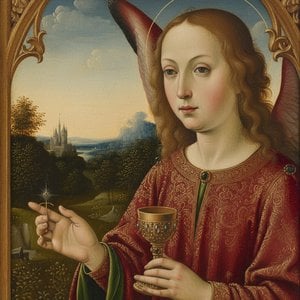
Embark on a journey through the luminous world of Early Netherlandish art. Discover the revolutionary oil techniques, microscopic realism, and sacred symbolism used by masters like Jan van Eyck to redefine Western art history in this expert-led guide.
 Pregledaj u prostoru
 Pošalji
 Podeli
 Detalji o delu
 Vodič
Vodič

 Preuzmi
 Slični predmeti
 Rendgenski snimak
 Automatska prezentacija
 Pitanja i odgovori
 Statistika


 Pročitaj više









 Opcija sa staklom dostupna je samo za dimenzije manje od 110 cm


