Pregledaj u prostoru AR pregled Kupite ručno oslikano delo Pređi na digitalnu sliku Pošalji
Detalji o delu Vodič Dodaj u omiljene Preuzmi Slični predmeti Rendgenski snimak Automatska prezentacija Pitanja i odgovori Statistika

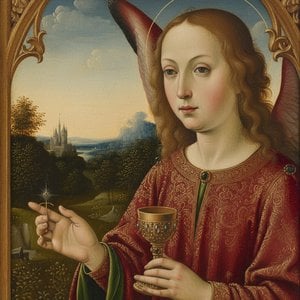
Last Judgment Triptych (detail) (17)

Experience the dramatic divine reckoning of Hans Memling's Last Judgment Triptych, a masterpiece of Early Netherlandish realism that captures eternal destiny through luminous detail and invites profound contemplation.

Otkrijte predivna dela Hansa Memlinga, majstora ranonizozemskog slikarstva iz Brugesa! Istražite njegove religijske scene i portrete, remek-dela flamanskog primitivizma. Posetite Muzej Memling i uronite u svet detalja i spiritualnosti.

Umetničko delo prikazano na ovoj stranici zaštićeno je autorskim pravima, što znači da zakonski nismo u mogućnosti da kreiramo niti prodajemo identičnu reprodukciju. Ova zaštita se sprovodi u skladu sa međunarodnim sporazumima kao što su Bernska konvencija i nacionalnim zakonima, uključujući i one koji su definisani u Američki zakon o autorskom pravu – Naslov 17.

Ovaj metod je u potpunosti usklađen sa regulativama o autorskim pravima jer ne podrazumeva kopiranje ili dupliranje zaštićenih umetničkih dela. Umesto toga, reč je o kreativnoj reinterpretaciji – novom slikarskom delu koje je inspirisano originalom, ali nije identično njemu.

Giclee štampa / Umetnički otisak

Giclée štampa ili print na platnu muzejskog kvaliteta uz brzu izradu i raznovrsne opcije završne obrade. ( Kupite ručno oslikano delo Pređi na digitalnu sliku)

Corner sample of the P118B picture frame: oblikovani polistiren, 5 cm wide and 3 cm thick
P118B дин10
Corner sample of the P118H picture frame: oblikovani polistiren, 5 cm wide and 3 cm thick
P118H дин10
Corner sample of the P118W picture frame: oblikovani polistiren, 5 cm wide and 3 cm thick
P118W дин10
Corner sample of the P438Z picture frame: oblikovani polistiren, 5.5 cm wide and 3.5 cm thick
P438Z дин10
Corner sample of the P508JH picture frame: oblikovani polistiren, 7 cm wide and 3.5 cm thick
P508JH дин12
Corner sample of the P508YH picture frame: oblikovani polistiren, 7 cm wide and 3.5 cm thick
P508YH дин12
Corner sample of the P805H picture frame: oblikovani polistiren, 5 cm wide and 3.5 cm thick
P805H дин10
Corner sample of the P805Z picture frame: oblikovani polistiren, 5 cm wide and 3.5 cm thick
P805Z дин10
Corner sample of the P919BZ picture frame: oblikovani polistiren, 7 cm wide and 3.5 cm thick
P919BZ дин10
Corner sample of the P919G picture frame: oblikovani polistiren, 7 cm wide and 3.5 cm thick
P919G дин10
Corner sample of the P919XJ picture frame: oblikovani polistiren, 7 cm wide and 3.5 cm thick
P919XJ дин10
Corner sample of the P959ZH picture frame: oblikovani polistiren, 5 cm wide and 3 cm thick
P959ZH дин10
Corner sample of the P968JZ picture frame: oblikovani polistiren, 6 cm wide and 4 cm thick
P968JZ дин12
Corner sample of the W106C picture frame: masivno drvo, 5 cm wide and 3 cm thick
W106C дин8
Corner sample of the W218G picture frame: masivno drvo, 5 cm wide and 3 cm thick
W218G дин10
Corner sample of the W218JH picture frame: masivno drvo, 5 cm wide and 3 cm thick
W218JH дин8
Corner sample of the W218Y picture frame: masivno drvo, 5 cm wide and 3 cm thick
W218Y дин10
Corner sample of the W307PJ picture frame: masivno drvo, 6 cm wide and 3 cm thick
W307PJ дин10
Corner sample of the W316G picture frame: masivno drvo, 6 cm wide and 3 cm thick
W316G дин10
Corner sample of the W316PJ picture frame: masivno drvo, 6 cm wide and 3 cm thick
W316PJ дин8
Corner sample of the W316Y picture frame: masivno drvo, 6 cm wide and 3 cm thick
W316Y дин10
Corner sample of the W398PJ picture frame: masivno drvo, 5 cm wide and 3 cm thick
W398PJ дин8
Corner sample of the W4111J picture frame: masivno drvo, 6.5 cm wide and 3.5 cm thick
W4111J дин10
Corner sample of the W500HY picture frame: masivno drvo, 7 cm wide and 5 cm thick
W500HY дин15
Corner sample of the W500JH picture frame: masivno drvo, 7 cm wide and 5 cm thick
W500JH дин15
Corner sample of the W692G picture frame: masivno drvo, 8 cm wide and 4 cm thick
W692G дин12
Corner sample of the W849H picture frame: masivno drvo, 5 cm wide and 3 cm thick
W849H дин8
Corner sample of the W940BG picture frame: masivno drvo, 7.5 cm wide and 4.5 cm thick
W940BG дин15
Corner sample of the W953PJ picture frame: masivno drvo, 6 cm wide and 3.5 cm thick
W953PJ дин8

Standardne dimenzije
po meri
CM
INCH

Izaberite jednu od naših unapred definisanih veličina koje odgovaraju originalnim proporcijama umetničkog dela.

širina
visina

Unesite željenu širinu i visinu kako bi se štampa uklopila u vaš ram ili zid. Štampu je moguće samo iseći, ali nikada povećati iznad dimenzija originalne slike, stoga format sa drugačijim proporcijama uzrokuje gubitak dela slike. Pre početka štampe, poslaćemo vam digitalni prikaz radi potvrde. Slika prikazana na ovoj stranici ne predstavlja stvarni isrez — to pokazuje samo digitalni prikaz.

Dostava širom sveta () za 2 nedelje umesto uobičajenih 4/5 nedelja. (4 новембар)

Besplatna ekspresna dostava širom sveta
Visokokvalitetno laneno platno
Potpuno osiguranje transporta
Garancija povraćaja carine i uvoznih dažbina
Garancija vernosti boja
Politika povraćaja u roku od 100 dana (samo u slučaju nedostataka)
Garancija povrata 100% novca
Popust na više proizvoda

Ukupna cena

дин 7229

Last Judgment Triptych (detail) (17)

Giclee štampa / Umetnički otisak

Dimenzije reprodukcije

-

Ukupna cena

дин 7229

Osnovne informacije

  • Artistic style: Primitivism
  • Location: National Museum, Gdańsk
  • Artist: Hans Memling
  • Subject or theme: Religious iconography; Eschatology
  • Medium: Oil on wood
  • Movement: Early Netherlandish Painting

A Moment Frozen in Divine Judgment: Examining Hans Memling’s Last Judgment Triptych

Hans Memling's *Last Judgment* stands as a cornerstone of Early Netherlandish painting, embodying the profound spiritual anxieties and artistic aspirations of its era. Completed around 1467-71 during Memling’s prolific period in Bruges—a city renowned for its burgeoning art patronage—this monumental triptych transcends mere depiction; it compels contemplation on mortality, divine justice, and humanity's eternal destiny. The artwork resides presently within the National Museum of Gdańsk, Poland, offering visitors a rare opportunity to immerse themselves in a masterpiece of artistic innovation and theological significance.
  • Subject Matter: The central panel portrays Jesus Christ presiding over the final reckoning—a dramatic tableau featuring angels administering judgment upon souls ascending or descending into heaven and hell. This iconic scene draws heavily from biblical scripture, specifically Revelation 20-22, reflecting the pervasive preoccupation with eschatology within Renaissance Europe.
  • Style: Memling’s style is characterized by an unparalleled level of detail and realism—a hallmark of Flemish painting during this period. Influenced profoundly by Rogier van der Weyden and Stefan Lochner, he achieved a remarkable fusion of sculptural modeling and luminous color palettes, creating images that appear to breathe with life.
  • Technique: Executed in oil paint on wood panels, Memling employed meticulous layering techniques—a hallmark of the Flemish tradition—to achieve astonishing textural depth and luminosity. The artist’s masterful use of glazing creates a shimmering surface effect, capturing subtle nuances of light and shadow that heighten the emotional impact of the composition.
  • Historical Context: Bruges in the mid-15th century was at the epicenter of artistic innovation and economic prosperity—a hub for international trade and cultural exchange. Angelo Tani, Memling’s wealthy patron, commissioned this ambitious project as a testament to his faith and piety, aligning with the broader humanist revival that sought to reconcile Christian theology with classical ideals.
  • Symbolism: The triptych is replete with symbolic imagery—reflecting medieval theological thought. Angels represent divine grace and righteousness, while demons embody evil and damnation. The inclusion of a donor portrait—that of Tommaso Portinari—highlights the importance of personal piety within the context of salvation.

Detailed Examination: Composition and Color Palette

The triptych’s composition is meticulously balanced, guiding the viewer's gaze across its three panels. The central panel dominates visually, showcasing Jesus Christ seated upon a throne adorned with intricate carvings—a deliberate reference to Byzantine iconography. Angels flank him on either side, their outstretched hands conveying compassion and authority. Below, St Michael orchestrates the judgment scene, wielding his sword and spear as instruments of divine justice. Memling’s masterful use of color contributes significantly to the artwork's emotive power. The palette is dominated by rich hues—deep reds, blues, and golds—creating a dramatic contrast that underscores the solemnity of the occasion. Light emanates from Christ’s throne, illuminating the figures within the panels and symbolizing divine illumination.

Influence and Legacy

Memling's *Last Judgment* exerted an undeniable influence on subsequent generations of artists—establishing him as one of the foremost masters of Early Netherlandish painting. Its meticulous realism and expressive dynamism served as a model for countless reproductions and continuations, cementing its place within art history canon. The artwork continues to inspire awe and contemplation today, demonstrating the enduring power of visual art to convey profound spiritual truths.

Resources for Further Exploration

For deeper insights into Hans Memling’s artistic achievements and the broader context of Early Netherlandish painting, we encourage you to visit these valuable resources:

Pitanja i odgovori

Kako se medijum i pokret spajaju u delu "Last Judgment Triptych (detail) (17)"?

„Last Judgment Triptych (detail) (17)“ je urađeno u tehnici Oil On Panel, u stilu Early Netherlandish Painting.

Gde mogu da kupim print dela „Last Judgment Triptych (detail) (17)”, autor Ханс Мемлинг?

Štampu dela „Last Judgment Triptych (detail) (17)”, autor Ханс Мемлинг možete naručiti direktno na njegovoj stranici za Umetnički print: umetnička štampa na pamučnom platnu ili arhivskom kanvas papiru.

Koliko je popularno delo "Last Judgment Triptych (detail) (17)" unutar pokreta Early Netherlandish Painting?

U okviru Early Netherlandish Painting pokreta, delo "Last Judgment Triptych (detail) (17)" ima Iconic nivo popularnosti.


Biografija umetnika

Ханс Мемлинг: Мајстор детаља и покровитељства из Бружа

Ханс Мемлинг (око 1430 – 11. август 1494), рођен у Зелигенштадту, Немачка, представља кључну фигуру ране холандске слике – покрета карактерисаног изузетним реализмом, прецизним посматрањем природе и дубоком духовном контемплацијом. Иако су његове ране године проведене углавном у уметничком окружењу Рајне, Мемлингов пут га је на крају одвео у Бриж, Белгија, где се усталио као један од водећих уметника свог времена и негује продуктивну радионицу која је широм Европе ширила његов препознатљив стил.
  • Рани живот и учење: Прецизни биографски детаљи око Мемлинговог рођења остају мистерија, али научни консензус сугерише да је потекао из Мајнца око 1430. године. Његова уметничка едукација започела је под менторством Рогира ван дер Вејдена, титана фламанског сликарства чије мајсторство у уљаним бојама и скулптуралном моделирању дубоко обликује Мемлингову технику. Ово учење га је усадило непоколебљиву посвећеност детаљу – обележју које ће дефинисати његов опус.
  • Бриж и радионица: До 1465. године, Мемлинг је обезбедио држављанство у Брижу, растућем комерцијалном центру и уметничком епицентру. Препознајући потенцијал за колаборативну креативност, основао је радионицу са бројним асистентима, негујући окружење иновација и стилске конзистентности. Ова радионица је постала позната по производњи запањујућих репродукција ремек-дела – сведочење Мемлингове вештине као уметника и педагога.

Стил дефинисан прецизношћу и покровитељством

Мемлингов уметнички стил је одмах препознатљив: карактерише га луминозне палете боја, нежно рендерисане драперије и запањујући ниво анатомијске прецизности. Пажљиво је проучавао људску анатомију – црпећи инспирацију из класичне скулптуре – да би постигао неупоредив реализам у својим портретима и религиозним сценама. За разлику од многих савременика који су преферирали експресивне потезе четком, Мемлинг је давао предност педантном посматрању и мукотрпној извршности, што је резултирало сликама прожетим мирном лепотом и дубоким духовним значењем.
  • Религијске поруџбине: Мемлингов углед порастао је захваљујући профитабилним поруџбинама од богатих покровитеља – углавном клирицима и аристократских породица – који су тражили приказа светитеља и библијских наратива који су резонавали са благочешћем и престижом. Истакнути пример је “Страшни суд” у болници Светог Јована у Брижу, монументална фреска која демонстрира Мемлингову мајсторску композициону вештину и драматичну употребу боје.
  • Портретирање: Мемлинг је одлично владао портретисањем, хватајући ликове познатих личности са изузетном осетљивошћу и психолошком проницливошћу. Његови портрети – као што је “Портрет човека са стрелом” – показују његову способност да пренесе карактер кроз суптилне гестове и изразе лица – вештину која га је учврстила међу највећим уметницима своје ере.

Утицај и наслеђе

Мемлингово уметничко наслеђе се протеже далеко ван његовог живота. Његова радионица произвела је велики низ слика – многе са стилским сличностима са његовим оригиналним радовима – које су шириле Мемлингов препознатљив естетички приступ широм Фландрије и шире. Штавише, Мемлингова педантна техника служила је као инспирација за наредне генерације уметника – посебно Квентину Масису, који је успоставио Антверпенску школу – учвршћујући Мемлингов положај као стубова фламанског ренесансног сликарства.

Поново откривање и трајна популарност

Мемлингова уметничка достигнућа била су углавном заборављена до 19. века када су научници поново открили његове слике и заговарали његов генијалност. Данас, Мемлингови радови – посебно “Страшни суд” – настављају да очаравају публику широм света, служећи као трајни симболи уметничке изврсности и духовне контемплације. Његова педантна пажња посвећена детаљима и дубоко разумевање људске психологије остају прилично релевантни у нашем савременом цењењу историје уметности.
Ханс Мемлинг

Ханс Мемлинг

Немачка

Osnovne informacije

  • Artistic Movement Or Style: Rani nizozemski slikarstvo
  • Artists Or Movements Influenced By This Artist: ['Flanderski primitivizam']
  • Artists Who Influenced This Artist: ['Rogier van der Weyden']
  • Date Of Birth: oko 1430.
  • Date Of Death: 11. avgust 1494.
  • Full Name: Hans Memling
  • Nationality: Nemačko-Flanderski
  • Notable Artworks:
    • Bolnica Sv. Jovana
    • Poslednja Presuda
  • Place Of Birth: Seligenštat, Nemačka
Istražite umetnička dela organizovana prema temama, stilovima i karakteristikama.