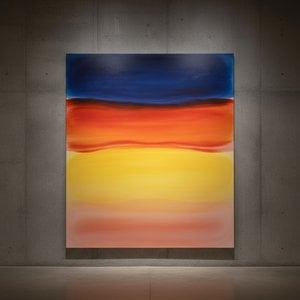
Mark Rothko: Boja, Tragika i Besmrtna Emocija
Markus Jakovljevič Rotkovic, poznatiji kao Mark Rotko, rođen je 1903. godine u Daugavpilsu, Letoniji, u vreme kada je ta oblast bila deo Ruske imperije. Njegovo porečlo, obeleženo strepnjama i nemirima Jevrejske porodice koja je živela na rubovima društva, ostavilo je dubok utisak na njegov život i umetničko stvaralaštvo. Godine 1913, emigracija njegove porodice u Portland, Oregon, predstavljala je ne samo geografski, već i kulturni prelazak za mladog Rotka. Iako je briljantno završio studije na Jejl univerzitetu, on se ubrzo okrenuo New Yorku, gde je počeo da razvija svoju umetničku viziju, napustivši formalno obrazovanje i posvetivši se slikarstvu. Te rane godine postavile su temelje za umetnički pristup koji će izazvati konvencionalna shvatanja slikarstva i redifinirati emocionalnu moć boje.
Od Figuratizma do Apstraktnog Ekspresionizma: Putovanje Traženja
Rotkovi početni radovi bili su duboko ukorenjeni u realizmu, prikazujući gradske scene i portrete sa oštrom posmatračkom sposobnošću. Međutim, čak i tadašnji radovi nagoveštavali su psihološku dubinu koja će postati njegov zaštitni znak. Kako je ulazilo u 1940-e godine, a svet se suočavao s užasima Drugog svetskog rata, Rotkova umetnost doživela je dramatičnu transformaciju. Pod uticajem nadrealizma i mitologije, počeo je da se udaljava od reprezentativne slike, tražeći umesto toga da izrazi univerzalne ljudske emocije kroz simboličke oblike. Ovaj period video je pojavu višeformnih slika – platna naseljena nejasnim, biomorfnim oblicima koji su delovali kao da plove između figuracije i apstrakcije. Ovi radovi nisu bili samo eksperimenti u formi; bili su duboko osetljivi odgovori na anksioznost i nesigurnost sveta u ratu. Do kraja 1940-ih, Rotko je stigao do svog prepoznatljivog stila: platna velikih dimenzija sa pravougaonim blokovima boja koji su delovali kao da plutaju i rezonuju jedni s drugima. On je uklonio sve ostatke prepoznatljive slike, fokusirajući se umesto toga na čisti emocionalni uticaj boje i oblika. Ovo je označilo ključni trenutak u razvoju apstraktnog ekspresionizma i uspostavilo Rotka kao vodeću figuru ovog revolucionarnog pokreta.
Boja Polje i Potraga za Transcendentnošću
Rotkov rad, zreo stil, definiše se onim što je postalo poznato kao "bojno polje" slikarstvo – prostrane površine luminiozne boje koje obuhvataju gledaoca u imersivnom iskustvu. Ovi slikovi nisu o *čemu* prikazuju, već o *kako* vas nateraju da se osećate. Rotko je verovao da bi umetnost trebalo da angažuje posetioca visceralno, zaobilazeći intelektualnu analizu i direktno govoreći emocijama. On je pažljivo nanosio tanke slojeve boje, stvarajući suptilne varijacije u tonu i teksturi koje su delovale kao da emanišu iz platna. Rubovi njegovih pravougaonih oblika često su zamućeni, omogućavajući im da se mešaju jedni s drugima, stvarajući osećaj dubine i pokreta. Rotko je namerno izbegavao naslove osim brojeva – “Br. 1”, “Br. 6” – ohrabrujući posetioca da se suoče sa slikama bez predrasuda i dopuste svojim sopstvenim emocionalnim odgovorima da ih vode. On je nastojao da stvori prostor za kontemplaciju, utočište u kojem bi posetioci mogli da uspostave vezu sa nečim većim od sebe.
Njegova ambicija nije bila ništa manje nego da izazove duboke duhovne iskušenja kroz jezik boje.
Značajna Ostvarenja i Trajna Istorijska Značajnost
Među Rotkovim najznačajnijim ostvarenjima su “Br. 10 (1950)”, ključni rad koji predstavlja njegovu evoluirajući stil, i Seagram murali (1958). Komisovani za restoran Four Seasons u New Yorku, ovi murali su na kraju odbili Rotko, koji je smatrao da će biti kompromitovani svojom nametnutom sredinom. Umesto toga, doneo ih je Tate galeriji u Londonu, gde i dalje izazivaju divljenje i kontemplaciju. Možda je njegov najambiciozniji projekat bila kapela Rothko (1971) u Hjustonu, Teksas – nekonfesionalna svetištanje koja sadrži četrnaest njegovih slika. Dizajnirana kao prostor za tiho razmišljanje, kapela se smatra svetim mestom od strane mnogih, što utelovljuje Rotkovu veru u duhovnu moć umetnosti.
Rotkov uticaj na buduće generacije umetnika bio je ogroman. On je prokrčio put za minimalističku umetnost i nastavlja da inspiriše savremene slikare koji istražuju emocionalne mogućnosti apstrakcije. Uprkos borbi sa depresijom tokom života, koja je kulminirala njegovim tragičnim samoubistvom 1970. godine, Mark Rotko ostaje jedan od najvažnijih i uticajnijih umetnika dvadesetog veka – majstor boje čije delo nastavlja da rezonuje sa publikom širom sveta.
Trajna Snaga Emocionalne Rezonance
- Rotkove slike slave se svojom sposobnošću da prenose univerzalne ljudske emocije - tragediju, ekstazu, očaj i nadu.
- Njegovo istraživanje boje kao sredstva za ekspresiju emocija revolucionisalo je apstraktno slikarstvo.
- Kapela Rothko stoji kao svedočanstvo njegove vere u duhovnu moć umetnosti.
- On ostaje ključna figura u Apstraktnom Ekspresionizmu i veliki uticaj na savremene umetnike.
Rotkovo nasleđe seže izvan oblasti istorije umetnosti. Njegovo delo nas poziva da suočimo sa našom sopstvenom smrtnošću, da se borimo sa složenostima ljudskog postojanja i da tražimo smisao u svetu koji je često lišen istog. On nas podseća da umetnost nije samo o estetici; reč je o vezi – vezi sa sobom, sa drugima i sa nečim većim od nas. Trajna moć njegovih slika leži u njihovoj sposobnosti da izazove ove duboke emocije, nudeći utehu, inspiraciju i pogled u dubine ljudske duše.



 Pregledaj u prostoru
 Kupi ručno naslikanu sliku
 Pošalji
 Podeli
 Detalji o delu

 Преузми
 Slični predmeti
 Rendgenski snimak
 Slajdovi
 Statistika
 Pročitaj više






































 Opcija sa staklom dostupna je samo za dimenzije manje od 110 cm