


Ručno oslikano uljanim bojama na platnu u dimenzijama i okviru po vašem izboru, izrađeno po porudžbini od strane naših umetnika. ( Kupi print Kupi digitalnu sliku)
Izaberite jednu od naših unapred definisanih veličina koje odgovaraju originalnim proporcijama umetničkog dela.

Можете унети сопствене димензије како бисте прилагодили дело одређеном оквиру или простору. Ако одабрана величина не одговара пропорцијама оригинала, слика ће бити исечена или проширена додатним елементима који се ручно насликавају. Дигитални prikaz ће вам бити послат на одобрење пре почетка производње.
Имајте на уму да преглед на екрану не одражава стварно исецање или проширење. Само приказ (mockup) ће тачно приказати коначну композицију.
Иако су доступне прилагођене величине, препоручујемо да одаберете димензију из дефинисане листе како бисте сачували оригиналне пропорције.
Isporuka širom sveta () za 3/4 nedelje umesto uobičajenih 5 nedelja. (7 септембар). Bez kompromisa po pitanju kvaliteta.


Street Scene
Dimenzije reprodukcije
In the quiet, brooding depths of Mark Rothko’s “Street Scene,” painted circa 1937, we encounter a world that feels both intimately familiar and hauntingly distant. Long before he became the master of color field abstraction, Rothko utilized a more figurative language to explore the heavy, existential weight of urban existence. The composition presents us with three figures huddled together on a curving staircase, positioned beside a monumental architectural element that looms over them like an indifferent titan. There is a profound sense of vulnerability in their posture; they seem to seek warmth and connection within the cold, geometric shadows of a city that offers little refuge. This piece does not merely depict a moment in time; it captures the very essence of human isolation amidst the overwhelming scale of modern progress.
The stylistic DNA of this work reveals a fascinating intersection of Expressionism and early Cubist fragmentation. Drawing inspiration from the raw emotionality of Edvard Munch and the distorted psychological landscapes of Oskar Kokoschka, Rothko employs a technique that prioritizes feeling over photographic accuracy. The architectural forms—the balcony panels and the massive column base—are rendered with simplified, geometric shapes that suggest a world breaking apart under the pressure of modernity. This deliberate distortion creates a sense of unease and disorientation, pulling the viewer into a space where the boundaries between the physical structure and the emotional state of the subjects begin to blur.
To touch this painting with one's eyes is to experience a remarkable tactile depth. Rothko’s technique in this period was characterized by a thick impasto, where layers of oil paint were applied with a heavy, deliberate hand. This creates a rugged, palpable surface that catches the light and casts its own micro-shadows, adding a physical dimension to the melancholic atmosphere. The palette is masterfully subdued, eschewing bright distractions for a somber arrangement of smoky mauve, ice blue, and pale gray. These muted tones work in harmony to generate a sense of twilight or perhaps an eternal dusk, amplifying the painting's inherent sadness and reflective stillness.
For the discerning collector or interior designer, "Street Scene" offers more than just visual interest; it provides a profound emotional anchor for a space. The stark contrast between the dark, solid foreground structures and the lighter, more amorphous figures in the background creates a dramatic tension that commands attention without overwhelming its surroundings. It is a piece that invites long periods of contemplation, making it an ideal centerpiece for a gallery-style study or a sophisticated living area where one seeks to evoke themes of introspection and quiet strength. Owning a high-quality reproduction of this masterpiece allows one to bring the heavy, beautiful gravity of Rothko’s early vision into the modern home, serving as a constant reminder of the enduring human search for meaning within the vast, complex structures of our world.

1903 - 1970 , Latvija

Istražite 25 remek-dela Marka Rothka – ikona apstraktne ekspresije. Otkrijte priče, tehnike i emocije iza ovih veličanstvenih slika. Reprodukcije vrhunskog kvaliteta za vaš dom na WahooArt.com!
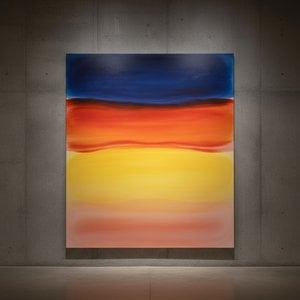
Explore the profound emotional depth of Mark Rothko's abstract expressionism. Discover the history, techniques & lasting impact of this pivotal Color Field painter. Expert insights for collectors and art enthusiasts.

Otkrijte 10 remek dela koja su definisala apstraktni ekspresionizam! Istražite dela Pola Krausa, Džejson Poloka i drugih. Saznajte priče iza umetnosti i inspirisanje za dekoraciju doma. Eksplorirajte kolekciju na WahooArt.com!

Explore the profound emotional depth of Color Field painting. Discover the history of mid-century abstraction, from Rothko to Newman, and learn how pure color transforms the viewer's experience through our expert art history guide.

Explore the profound history and emotional depth of Color Field painting. From Mark Rothko to Barnett Newman, discover how pure color redefined modern art through our expert-led guide for students and collectors alike.

 Pregledaj u prostoru
 Pošalji
 Podeli
 Detalji o delu

 Преузми
 Slični predmeti
 Rendgenski snimak
 Slajdovi

 Pročitaj više




































 Opcija sa staklom dostupna je samo za dimenzije manje od 110 cm


