Mark Rothko: Boja, Tragika i Besmrtna Emocija
Markus Jakovljevič Rotkovic, poznatiji kao Mark Rotko, rođen je 1903. godine u Daugavpilsu, Letoniji, u vreme kada je ta oblast bila deo Ruske imperije. Njegovo porečlo, obeleženo strepnjama i nemirima Jevrejske porodice koja je živela na rubovima društva, ostavilo je dubok utisak na njegov život i umetničko stvaralaštvo. Godine 1913, emigracija njegove porodice u Portland, Oregon, predstavljala je ne samo geografski, već i kulturni prelazak za mladog Rotka. Iako je briljantno završio studije na Jejl univerzitetu, on se ubrzo okrenuo New Yorku, gde je počeo da razvija svoju umetničku viziju, napustivši formalno obrazovanje i posvetivši se slikarstvu. Te rane godine postavile su temelje za umetnički pristup koji će izazvati konvencionalna shvatanja slikarstva i redifinirati emocionalnu moć boje.
Od Figuratizma do Apstraktnog Ekspresionizma: Putovanje Traženja
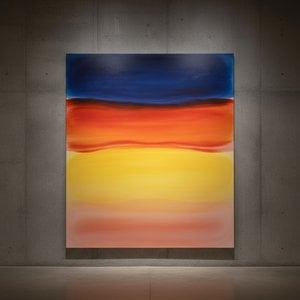
Rotkovi početni radovi bili su duboko ukorenjeni u realizmu, prikazujući gradske scene i portrete sa oštrom posmatračkom sposobnošću. Međutim, čak i tadašnji radovi nagoveštavali su psihološku dubinu koja će postati njegov zaštitni znak. Kako je ulazilo u 1940-e godine, a svet se suočavao s užasima Drugog svetskog rata, Rotkova umetnost doživela je dramatičnu transformaciju. Pod uticajem nadrealizma i mitologije, počeo je da se udaljava od reprezentativne slike, tražeći umesto toga da izrazi univerzalne ljudske emocije kroz simboličke oblike. Ovaj period video je pojavu višeformnih slika – platna naseljena nejasnim, biomorfnim oblicima koji su delovali kao da plove između figuracije i apstrakcije. Ovi radovi nisu bili samo eksperimenti u formi; bili su duboko osetljivi odgovori na anksioznost i nesigurnost sveta u ratu. Do kraja 1940-ih, Rotko je stigao do svog prepoznatljivog stila: platna velikih dimenzija sa pravougaonim blokovima boja koji su delovali kao da plutaju i rezonuju jedni s drugima. On je uklonio sve ostatke prepoznatljive slike, fokusirajući se umesto toga na čisti emocionalni uticaj boje i oblika. Ovo je označilo ključni trenutak u razvoju apstraktnog ekspresionizma i uspostavilo Rotka kao vodeću figuru ovog revolucionarnog pokreta.
Boja Polje i Potraga za Transcendentnošću
Rotkov rad, zreo stil, definiše se onim što je postalo poznato kao "bojno polje" slikarstvo – prostrane površine luminiozne boje koje obuhvataju gledaoca u imersivnom iskustvu. Ovi slikovi nisu o *čemu* prikazuju, već o *kako* vas nateraju da se osećate. Rotko je verovao da bi umetnost trebalo da angažuje posetioca visceralno, zaobilazeći intelektualnu analizu i direktno govoreći emocijama. On je pažljivo nanosio tanke slojeve boje, stvarajući suptilne varijacije u tonu i teksturi koje su delovale kao da emanišu iz platna. Rubovi njegovih pravougaonih oblika često su zamućeni, omogućavajući im da se mešaju jedni s drugima, stvarajući osećaj dubine i pokreta. Rotko je namerno izbegavao naslove osim brojeva – “Br. 1”, “Br. 6” – ohrabrujući posetioca da se suoče sa slikama bez predrasuda i dopuste svojim sopstvenim emocionalnim odgovorima da ih vode. On je nastojao da stvori prostor za kontemplaciju, utočište u kojem bi posetioci mogli da uspostave vezu sa nečim većim od sebe.
Njegova ambicija nije bila ništa manje nego da izazove duboke duhovne iskušenja kroz jezik boje.
Značajna Ostvarenja i Trajna Istorijska Značajnost
Među Rotkovim najznačajnijim ostvarenjima su “Br. 10 (1950)”, ključni rad koji predstavlja njegovu evoluirajući stil, i Seagram murali (1958). Komisovani za restoran Four Seasons u New Yorku, ovi murali su na kraju odbili Rotko, koji je smatrao da će biti kompromitovani svojom nametnutom sredinom. Umesto toga, doneo ih je Tate galeriji u Londonu, gde i dalje izazivaju divljenje i kontemplaciju. Možda je njegov najambiciozniji projekat bila kapela Rothko (1971) u Hjustonu, Teksas – nekonfesionalna svetištanje koja sadrži četrnaest njegovih slika. Dizajnirana kao prostor za tiho razmišljanje, kapela se smatra svetim mestom od strane mnogih, što utelovljuje Rotkovu veru u duhovnu moć umetnosti.
Rotkov uticaj na buduće generacije umetnika bio je ogroman. On je prokrčio put za minimalističku umetnost i nastavlja da inspiriše savremene slikare koji istražuju emocionalne mogućnosti apstrakcije. Uprkos borbi sa depresijom tokom života, koja je kulminirala njegovim tragičnim samoubistvom 1970. godine, Mark Rotko ostaje jedan od najvažnijih i uticajnijih umetnika dvadesetog veka – majstor boje čije delo nastavlja da rezonuje sa publikom širom sveta.
Trajna Snaga Emocionalne Rezonance
- Rotkove slike slave se svojom sposobnošću da prenose univerzalne ljudske emocije - tragediju, ekstazu, očaj i nadu.
- Njegovo istraživanje boje kao sredstva za ekspresiju emocija revolucionisalo je apstraktno slikarstvo.
- Kapela Rothko stoji kao svedočanstvo njegove vere u duhovnu moć umetnosti.
- On ostaje ključna figura u Apstraktnom Ekspresionizmu i veliki uticaj na savremene umetnike.
Rotkovo nasleđe seže izvan oblasti istorije umetnosti. Njegovo delo nas poziva da suočimo sa našom sopstvenom smrtnošću, da se borimo sa složenostima ljudskog postojanja i da tražimo smisao u svetu koji je često lišen istog. On nas podseća da umetnost nije samo o estetici; reč je o vezi – vezi sa sobom, sa drugima i sa nečim većim od nas. Trajna moć njegovih slika leži u njihovoj sposobnosti da izazove ove duboke emocije, nudeći utehu, inspiraciju i pogled u dubine ljudske duše.



 Pregledaj u prostoru
 Pređi na prodaju štampanih primeraka
 Podeli
 Podeli
 Detalji
 Vodič
Vodič

 Preuzmi sliku
 Slični predmeti
 Rendgenski snimak
 Automatska prezentacija
 Statistika

 Pročitaj više






































 Opcija sa staklom dostupna je samo za dimenzije manje od 110 cm