

Umetničko delo prikazano na ovoj stranici zaštićeno je autorskim pravima, što znači da zakonski nismo u mogućnosti da kreiramo niti prodajemo identičnu reprodukciju. Ova zaštita se sprovodi u skladu sa međunarodnim sporazumima kao što su Bernska konvencija i nacionalnim zakonima, uključujući i one koji su definisani u Američki zakon o autorskom pravu – Naslov 17.
Ovaj metod je u potpunosti usklađen sa regulativama o autorskim pravima jer ne podrazumeva kopiranje ili dupliranje zaštićenih umetničkih dela. Umesto toga, reč je o kreativnoj reinterpretaciji – novom slikarskom delu koje je inspirisano originalom, ali nije identično njemu.
Giclée štampa ili print na platnu muzejskog kvaliteta uz brzu izradu i raznovrsne opcije završne obrade. ( Kupite ručno oslikano delo Pređi na digitalnu sliku)
Izaberite jednu od naših unapred definisanih veličina koje odgovaraju originalnim proporcijama umetničkog dela.

Unesite željenu širinu i visinu kako bi se štampa uklopila u vaš ram ili zid. Štampu je moguće samo iseći, ali nikada povećati iznad dimenzija originalne slike, stoga format sa drugačijim proporcijama uzrokuje gubitak dela slike. Pre početka štampe, poslaćemo vam digitalni prikaz radi potvrde. Slika prikazana na ovoj stranici ne predstavlja stvarni isrez — to pokazuje samo digitalni prikaz.
Dostava širom sveta () za 2 nedelje umesto uobičajenih 4/5 nedelja. (13 новембар)
Cigarette
Dimenzije reprodukcije
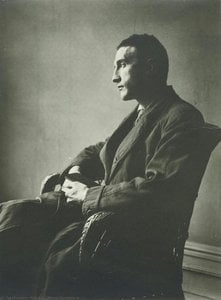
In the quiet, starkly minimalist realm of Marcel Duchamp’s Cigarette, the viewer is invited into an intimate encounter with the overlooked. This photographic study does not seek to dazzle with vibrant color or complex scenery; instead, it finds its power in a profound, almost meditative focus on a single, partially smoked object. Positioned vertically within the frame, the cigarette acts as a singular axis around which the entire composition revolves. The starkness of the presentation strips away the distractions of the outside world, forcing an intense confrontation with the textures of tobacco and paper. A soft, directional light casts a gentle shadow to the right, grounding the subject in a tangible space and providing just enough depth to transform a flat image into a sculptural presence.
The aesthetic experience of this piece is defined by its muted, monochromatic elegance. Shades of beige, grey, and earthy brown dominate the palette, reflecting the natural, organic decay of the object itself. There is a tactile richness found in the granular surface of the cigarette, where the rough, fibrous nature of the tobacco meets the smooth, worn edges of the paper. This interplay of textures—the sharp, irregular lines of the subject contrasted against the soft, diffused blur of its shadow—creates a visual rhythm that is both soothing and intellectually stimulating. For the collector or interior designer, this work offers a sophisticated neutral element that brings a sense of calm, intellectual depth, and understated luxury to any modern space.
To understand Cigarette, one must look toward the revolutionary spirit of its creator. Marcel Duchamp was a primary architect of the Dada movement, a period characterized by a radical rejection of traditional aesthetic values. Through his concept of the "readymade," Duchamp challenged the very definition of art, suggesting that an artist's most potent tool is not their brushstroke, but their choice. By isolating this everyday object and presenting it through the lens of fine art photography, he elevates a transient, disposable item to a position of permanent contemplation. The work serves as a bridge between the mundane reality of daily habit and the elevated realm of artistic significance.
Beyond its historical importance, the piece carries a heavy symbolic weight that resonates with the human condition. The partially smoked cigarette, caught in a moment of mid-consumption, evokes themes of transience, the passage of time, and the ephemeral nature of life's small pleasures. It is a quiet commentary on consumerism and the beauty found within the discarded. For those seeking to decorate a space with art that provokes thought, this reproduction offers more than mere decoration; it provides a window into the twentieth century’s most profound philosophical shifts, making it an essential acquisition for any serious enthusiast of modern art history.
Autor dela "Cigarette" je Марсел Дишан, koji pripada pokretu Dadaism.
„Cigarette”, autor Марсел Дишан se opisuje kao delo Minimalist raspoloženja. Ovakva klasifikacija može pomoći u uklapanju dela u određeni ambijent.
Boja koja najviše izdvaja se u delu "Cigarette" je Putty (#dad7cc). Dominantna boja je korisna pri uklapanju umetničkog dela u enterijer.


1887 - 1968 , Француска

Explore the profound artistry of black and white photography. From historical mastery to the interplay of light and shadow, discover how monochrome captures timeless emotion and form through a sophisticated lens of art history.

Explore the profound emotional depth of documentary photography art. Discover how collectors curate powerful historical narratives through museum-quality black and white prints and fine art reproductions that preserve humanity's most resilient moments.

Explore the profound history of Pictorialism, the revolutionary movement that elevated photography to a fine art. Uncover how visionaries used painterly techniques and soft focus to transcend mere documentation, imbuing the lens with the emotional depth of classical masterpieces.

Explore the profound evolution of contemporary photography through a connoisseur's lens. From monochrome mastery to digital innovation, discover how modern photographic works shape fine art collections and define our cultural legacy.

Embark on a visual journey through the evolution of fashion photography. Discover how masters like Gianfranco Ferré blended geometry, surrealism, and texture to redefine high-fashion art for collectors and connoisseurs of luxury imagery.
 Pošalji
 Podeli
 Detalji o delu
 Vodič
Vodič

 Preuzmi
 Slični predmeti
 Automatska prezentacija
 Pitanja i odgovori
 Statistika

 Pročitaj više






































 Opcija sa staklom dostupna je samo za dimenzije manje od 110 cm




![Marcel Duchamp, Belle Haleine Eau De Voilette [belo Hálito Água De Veuzinho] — Мен Реј, Surrealism](/media/artworks/images-thumb/58/ee/58ee83e825aa93dab379a6cc84f2b1c5.jpg)


