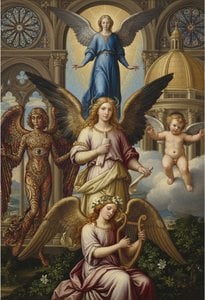
Biografija umetnika
Život Obojen Snovima: Svet Marka Šagala
Mark Šagal, rođen Mojsije Šagal 1887. godine u malom beloruskom gradu Liozni blizu Vitebska, nije bio samo slikar; bio je pesnik boja, tkalac snova i hroničar sećanja. Njegov život, koji je obuhvatio skoro ceo dvadeseti vek, odrazio je burne tokove vremena, a ipak je njegova umetnost ostala čvrsto ukorenjena u duboko ličnoj viziji – prožetoj folklorom njegovog hasidskog jevrejskog porekla i neprestanim verovanjem u moć mašte. Vitebsk sam po sebi nije bio samo mesto rođenja; postao je emotivni centar njegovog umetničkog univerzuma, ponavljajući motiv naseljen lebdajućim figurama, pomamnim životinjama i živopisnim bojama ispričanih pejzaža. Ta jedinstvena mešavina kultura – ruske pravoslavne crkve pored užurbanih jevrejskih pijaca – oblikovala je estetsku osetljivost koja bi izbegla laku kategorizaciju tokom njegovog dugog života. Iako je tražio formalno obrazovanje prvo kod lokalnog slikara znakova, a zatim u Sankt Petersburgu pod vođstvom Leona Baksta, i potom u Parizu na Akademiji Grande Chaumière, Šagal nikada nije u potpunosti prihvatio nijednu umetničku struju. Upijao je elemente kubizma, simbolizma i fauvisma, ali ih je uvek filtrirao kroz sopstvenu intenzivno ličnu leću, stvarajući stil koji je bio jedinstven, neprolazan Šagal.
Kovanje Jednog Vizuelnog Jezika
Šagalove rane radove već su nagovestile jezik koji će razviti. Slike poput *Ja i selo* (1911) nisu samo prikazi mesta; one su istraživanja identiteta, sećanja i odnosa između pojedinca i zajednice. Selo nije prikazano realistično, već kao fragmentirana kolekcija uspomena, prožeta simboličkim značenjem. Ta sposobnost da lično iskustvo pretvara u univerzalne teme postala je zaštitni znak njegove umetnosti. Njegova paleta bila je hrabra i ekspresivna, često koristeći jarke, nestvarne boje kako bi prenela emocije umesto doslovnog predstavljanja. Figure plove i plešu preko platna, odbijajući gravitaciju i logiku, stvarajući snovi atmosferu koja poziva gledaoce u njegov unutrašnji svet. Ovaj stilski pristup nije bio slučajan; potekao je iz želje da se ide van pukog oponašanja stvarnosti i uhvati suština osećaja, težina sećanja i moć folklora. Ruska revolucija vratila je Šagala u Vitebsk, gde se angažovao u kulturnim inicijativama, osnivajući školu umetnosti koja je nakratko procvetala pre nego što je podlegnula ograničenjima koje je postavio novi režim. Ovo razdoblje bilo je obeleženo i kreativnom energijom i političkim razočarenjem, tenzija koja će nastaviti da oblikuje njegovu umetničku putanju.
Život Između Sveta: Pariz, Njujork i Dalje
Na kraju, Šagal je napustio Rusiju i nastanio se u Francuskoj 1923. godine. Ovo je označilo početak perioda međunarodne priznatljivosti i plodne kreativnosti. Radovi poput *Iznad Vitebska* (1920-1922) pokazuju njegov kontinuirani angažman prema njegovim detinjskim uspomenama, dok slike inspirisane biblijskim pričama – kao što je *Jakobov san* – otkrivaju rastući interes za verske teme. Izbijeganje Drugog svetskog rata nateralo ga da pobegne iz nemačke okupirane Francuske u Sjedinjene Države, gde je proveo sedam godina u Njujorku. Ovo razdoblje bilo je obeleženo dubokim emotivnim turbulencijama i umetničkim eksperimentima. Pronašao je utehu u svojoj umetnosti, stvarajući moćna dela koja su odražavala anksioznost i nesigurnost tog vremena. Bel krucifiks (1938), potresljiv prikaz patnje i progona, svedoči o ovom periodu. Nakon rata, Šagal se vratio u Francusku, gde je nastavio da slika i stvara do svoje smrti 1985. godine u dubokoj starosti od 97 godina.
Nasleđe i Trajni Uticaj
U godinama koje su sledile, Marko Šagal primio je brojne prestižne narudžbine, uključujući plafon Pariske opere (1964), zapanjujuće eksplozije boja i oblika koja je proslavila muzička remek-dela, i prelepe vitraje za sinagogu Hadase Hebrejskog univerziteta u Jerusalimu. Ovi projekti velikih razmera omogućili su mu da prevede svoju umetničku viziju u arhitektonske prostore, stvarajući imerzivne okruženja koja nastavljaju da izazivaju divljenje i čudo. Uticaj Šagala na buduće generacije umetnika je nedvojben. Njegova lirska kvaliteta, emotivna dubina i maštovita moć rezonirali su sa nadrealistima i drugim pokretima koji su prihvatili fantaziju i simbolizam. Spojio je jaz između evropskog modernizma i jevrejske kulturne identiteta, postao poznat kao „najtipičniji jevrejski umetnik dvadesetog veka“. Njegova sposobnost da sintetiše lično iskustvo, folklor i univerzalne teme nastavlja da rezonira sa publikom širom sveta. Njegovo nasleđe se ne završava samo na njegovim slikama i vitražima; ono leži u trajne moći njegove vizije – vizije koja slavi ljubav, sećanje i bezgranične mogućnosti ljudske mašte. Njegova umetnost nas podseća na moć umetnosti da prevaziđe granice, da nas poveže sa našim zajedničkim čovečanstvom i da rasvetli lepotu i misteriju života.
Trajni Utisak
Marko Šagalovo nasleđe se proteže izvan njegovih slika i vitraža; ono je u trajne moći njegove vizije – vizije koja slavi ljubav, sećanje i bezgranične mogućnosti ljudske mašte. Ostavio je iza sebe delo koje je istovremeno duboko lično i univerzalno pristupačno, pozivajući gledaoce da se izgube u svetu obojenom snovima i osvetljenom nadom. Njegova umetnost nastavlja da inspiriše, izaziva i pokreće nas, osiguravajući da će njegov živahni i maštoviti duh živeti za generacije koje dolaze. Muzej Marka Šagala u Nici stoji kao svedočanstvo o njegovom trajnnom uticaju, smeštajući opsežnu kolekciju njegovih dela i nudeći posetiocima uvid u srce i dušu ovog izvanrednog umetnika.



 Pregledaj u prostoru
 Kupi ručno naslikanu sliku
 Pošalji
 Podeli
 Detalji o delu

 Преузми
 Slični predmeti
 Rendgenski snimak
 Slajdovi
 Statistika


 Pročitaj više






































 Opcija sa staklom dostupna je samo za dimenzije manje od 110 cm