


 TemperaNaive Art / Primitivism
 Modern
 150.0 x 188.0 cm
Ručno oslikano uljanim bojama na platnu u dimenzijama i okviru po vašem izboru, izrađeno po porudžbini od strane naših umetnika. ( Kupi print Kupi digitalnu sliku)





























Izaberite jednu od naših unapred definisanih veličina koje odgovaraju originalnim proporcijama umetničkog dela.

Можете унети сопствене димензије како бисте прилагодили дело одређеном оквиру или простору. Ако одабрана величина не одговара пропорцијама оригинала, слика ће бити исечена или проширена додатним елементима који се ручно насликавају. Дигитални prikaz ће вам бити послат на одобрење пре почетка производње.
Имајте на уму да преглед на екрану не одражава стварно исецање или проширење. Само приказ (mockup) ће тачно приказати коначну композицију.
Иако су доступне прилагођене величине, препоручујемо да одаберете димензију из дефинисане листе како бисте сачували оригиналне пропорције.
Isporuka širom sveta () za 3/4 nedelje umesto uobičajenih 5 nedelja. (6 септембар). Bez kompromisa po pitanju kvaliteta.


The descent from cross
Dimenzije reprodukcije
Marc Chagall’s “The Descent from Cross,” completed in 1976, stands as a testament to the artist's enduring fascination with biblical narratives and his unparalleled ability to translate dreams into vibrant visual language. Painted in Naïve Art style—a movement characterized by its rejection of academic conventions and embrace of childlike spontaneity—the canvas embodies Chagall’s signature aesthetic: fantastical figures interwoven with recognizable landscapes, bathed in luminous yellows and blues that evoke memories of Vitebsk, Belarus.
The painting depicts Mary cradling Jesus after his crucifixion. However, Chagall eschews traditional depictions of sorrowful piety; instead, he presents a scene brimming with movement and ethereal beauty. Figures float upwards towards the heavens, their bodies elongated and distorted in ways that defy anatomical realism—a deliberate stylistic choice intended to convey spiritual transcendence rather than literal representation.
Historically situated within the broader context of Jewish-Christian relations in Europe during the mid-20th century—particularly following Kristallnacht, the “Night of Broken Glass,” a pogrom that targeted synagogues and Jewish property—the painting reflects Chagall’s personal experiences as a survivor of persecution. Yet, despite its fraught historical backdrop, “The Descent from Cross” transcends political concerns to offer a universal meditation on faith, compassion, and the enduring power of hope.
Symbolism permeates every element of the composition. The upward-spiraling figures represent ascension into paradise, mirroring the biblical imagery of Christ’s resurrection. The luminous yellows dominate the palette—a color associated with divine light and joy—contrasting sharply with the darker hues that symbolize earthly suffering. Chagall's recurring motifs—flying horseshoes (representing Jewish protection), stylized landscapes reminiscent of Vitebsk—further enrich the painting’s symbolic tapestry.
Ultimately, “The Descent from Cross” resonates deeply with viewers through its evocative emotional impact. It captures a moment of profound vulnerability and tenderness amidst overwhelming darkness—a reminder that even in times of despair, beauty and spiritual solace can persist. Its luminous colors and fluid brushstrokes invite contemplation and inspire awe, cementing Chagall’s place as one of the most influential artists of his era.

1887 - 1985 , Belorusija
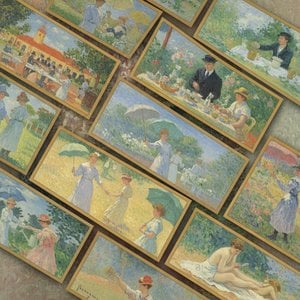
Uronite u svet Pierre-Auguste Renoara! Otkrijte 25 remek-dela impresionizma, priče iza slika i tehničke detalje. Reprodukcije vrhunskog kvaliteta za vaš dom dostupne na WahooArt.com. Istražite celu kolekciju online!

Istražite 25 remek-dela Giotta di Bondonea i otkrijte renesansnu umetnost u punom sjaju. Freske, oltarske slike & istorija italijanske umetnosti na WahooArt.com! Reprodukcije vrhunskog kvaliteta za vaš dom.
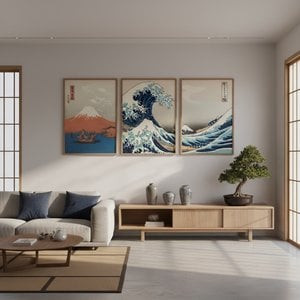
Uronite u svet Katsushike Hokusaija! Otkrijte 25 remek-dela japanskog umetnika, uključujući čuveni 'Veliki talas'. Ukiyo-e štampe, pejzaži i istorija iza svakog dela. Pronađite inspiraciju za dekor enterijera i kupite reprodukcije slika vrhunskog kvaliteta na WahooArt.com.

Uronite u svet Rembrandta van Rijna! Otkrijte 25 najlepših dela holandskog majstora – portrete, istorijske scene i biblijska platna. Kvalitetne reprodukcije slika za dekoraciju enterijera dostupne na WahooArt.com.
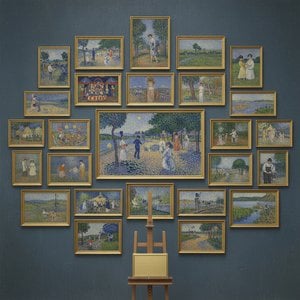
Istražite 25 remek-dela Žorža Seurea i uronite u svet tačizma i impresionističke revolucije. Otkrijte priče iza slika, tehnike i inspiraciju ovog francuskog umetnika. Reprodukcije vrhunskog kvaliteta dostupne na WahooArt.com!

 Pregledaj u prostoru
 Pošalji
 Podeli
 Detalji o delu

 Преузми
 Slični predmeti
 Rendgenski snimak
 Slajdovi
 Pročitaj više







 Opcija sa staklom dostupna je samo za dimenzije manje od 110 cm


